
Ultherapy Non-Surgical Skin Tightening and Lifting Treatment in Riyadh
Ultherapy treatment in Riyadh is a non-invasive option for people concerned about mild-to-moderate skin laxity, loss of firmness, and changing facial contours. It uses microfocused ultrasound energy rather than lasers, needles, or surgical incisions to reach collagen-rich tissue beneath the skin. Controlled ultrasound energy creates precise thermal points that stimulate collagen and elastin remodeling over time. Real-time ultrasound visualization helps the practitioner see tissue layers and deliver energy at selected treatment depths. Dr. Haitham Al-Gzlan assesses your skin laxity, facial anatomy, medical history, and aesthetic goals before creating a personalized treatment plan. The aim is progressive, natural-looking skin tightening and lifting without the recovery associated with surgical facial lifting.
What Is Ultherapy?
Ultherapy is a non-invasive skin lifting and tightening treatment based on microfocused ultrasound with visualization, also known as MFU-V. The system delivers focused ultrasound energy beneath the skin while leaving the surface largely unaffected. This controlled energy creates thermal coagulation points that trigger a natural wound-healing response and stimulate new collagen production. Unlike laser resurfacing, Ultherapy does not rely on removing or resurfacing the outer skin layer to achieve its lifting effect. In the United States, the Ulthera System is FDA-cleared for lifting the brow, neck, and under-chin tissue, improving décolleté lines, and selected body skin-laxity indications. Treatment depth, energy delivery, and coverage are personalized according to anatomy, tissue thickness, and individual treatment goals.
Ultherapy Technology: How the Ulthera System Works
Ultherapy combines therapeutic microfocused ultrasound with real-time ultrasound imaging in the same treatment platform. Ultherapy PRIME is the newer generation of the Ulthera technology and retains the DeepSEE visualization system used to assess tissue before energy delivery. Ultrasound imaging allows the practitioner to view dermal and subdermal structures and confirm appropriate contact with the treatment area. The system can visualize tissue to depths of up to approximately 8 mm while treatment energy is delivered at selected depths. Standard treatment transducers target approximately 1.5 mm, 3.0 mm, and 4.5 mm according to the anatomical layer being treated. This combination of visualization and precise energy delivery supports individualized non-surgical skin lifting rather than blind ultrasound treatment.
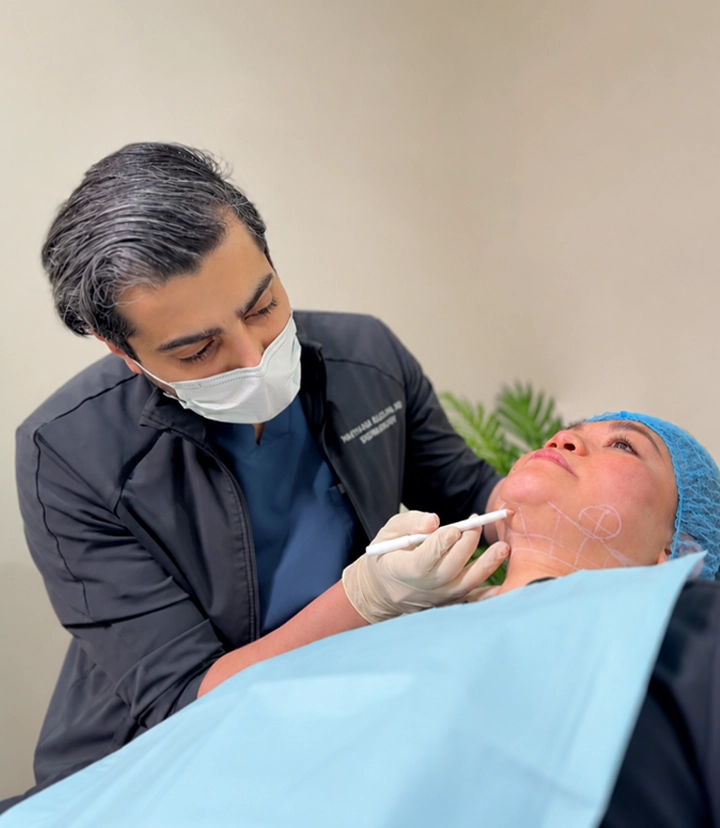
Microfocused Ultrasound With Visualization – MFU-V
Ultherapy uses microfocused ultrasound with visualization to place thermal energy at carefully selected tissue depths. Energy is concentrated into discrete thermal coagulation points instead of broadly heating the entire treatment area. These controlled points initiate collagen denaturation followed by new collagen and elastin remodeling. Real-time imaging helps the practitioner decide where the energy should be delivered.
Real-Time Ultrasound Imaging for Precision
DeepSEE ultrasound visualization allows the practitioner to see skin and subdermal structures during treatment planning and delivery. Imaging helps confirm tissue depth, appropriate transducer contact, and the position of structures such as bone. This information can guide treatment depth according to the patient’s individual anatomy rather than relying only on surface landmarks. Visualization is one of the important technological differences between Ultherapy and many other energy-based tightening systems.
Targets Deep Structural Tissue Including the SMAS Plane
The deepest 4.5 mm Ultherapy transducers can reach fibromuscular tissue planes that include the superficial musculoaponeurotic system, or SMAS, in appropriate facial areas. The SMAS is also one of the deeper structural layers addressed during surgical facial rejuvenation, although Ultherapy does not reproduce surgery. Focused ultrasound creates controlled thermal points without surgically cutting, repositioning, or removing tissue. The treatment is therefore better understood as non-invasive collagen-based lifting rather than a non-surgical version of the exact facelift procedure.
Three Treatment Depths: 1.5 mm, 3.0 mm and 4.5 mm
Ultherapy transducers can deliver treatment at approximately 1.5 mm, 3.0 mm, and 4.5 mm beneath the skin surface. The 1.5 mm depth targets more superficial dermal tissue, while 3.0 mm reaches the deeper dermis. The 4.5 mm depth can reach deeper fibromuscular structures in suitable treatment areas. Dr. Haitham selects depths according to anatomy, tissue thickness, treatment location, and the desired lifting or tightening effect.
Stimulates Collagen in Deep Structural Layers
Focused ultrasound heats selected collagen-rich tissue to temperatures that initiate collagen denaturation and the body’s repair response. Fibroblasts then participate in producing and reorganizing collagen and elastin within the treated tissue. This remodeling process develops over several weeks and months rather than creating the final result immediately. The gradual biological response explains why Ultherapy results generally appear progressively rather than as an instant surgical lift.
Ultherapy Benefits
Ultherapy provides non-surgical skin tightening without incisions, injectable filler, or ablative resurfacing of the skin surface. Its microfocused ultrasound energy can reach deeper collagen-rich tissue while real-time imaging supports precise treatment planning. The treatment encourages natural collagen and elastin remodeling, allowing lifting and tightening effects to develop gradually. Ultherapy can be used across all Fitzpatrick skin types because its mechanism does not depend primarily on targeting melanin. Most patients can resume normal daily activities immediately, although temporary tenderness, swelling, redness, or other reactions can occur. Results and treatment response vary according to age, anatomy, degree of laxity, treatment coverage, and individual collagen biology.
A Non-Surgical Option for Facial Lifting
Ultherapy may suit patients with mild-to-moderate skin laxity who are not ready for a surgical facelift. Focused ultrasound stimulates deeper collagen-rich layers without creating surgical incisions. Results are more gradual and generally more subtle than the structural repositioning achieved through surgery. Patients with significant sagging may therefore require surgical assessment rather than relying on ultrasound alone.
No Surgical Incisions and Typically No Downtime
Ultherapy is performed without cuts, sutures, or surgical removal of skin. The manufacturer describes the treatment as having no routine downtime, allowing most patients to return to normal activities after the session. Temporary redness, swelling, tenderness, bruising, tingling, or numbness can still occur. Rare complications have also been reported, so “non-invasive” should not be interpreted as completely risk-free.
FDA-Cleared for Specific Face and Body Indications
The Ulthera System is U.S. FDA-cleared to lift the eyebrow and lax neck and under-chin tissue and to improve décolleté lines and wrinkles. Current labeling also includes improvement of skin laxity on the abdomen, anterior arms, posterior arms, and knees. These clearances should not be interpreted as approval for every facial or body area. Treatment outside labeled indications depends on local regulation, clinical judgment, anatomy, and an appropriate medical assessment.
Treats Several Lifting and Tightening Concerns
A personalized Ultherapy plan can address the brow, submental area, neck, décolleté, and selected body laxity concerns within appropriate indications. Different transducers allow energy to reach multiple collagen-rich tissue depths. This makes treatment adaptable to variations in anatomy and tissue thickness. The exact areas treated in one session depend on the patient’s concerns and the individualized treatment map.
Stimulates Natural Collagen and Elastin Remodeling
Ultherapy does not create volume using filler or physically remove excess skin. Instead, focused ultrasound initiates a tissue-healing response that promotes collagen synthesis and remodeling. Elastin-related remodeling can also contribute to improvements in skin firmness and elasticity. These biological changes develop gradually after treatment.
Gradual, Natural-Looking Results
Some patients may notice early tightening, but the main Ultherapy response develops as new collagen matures. Manufacturer information describes meaningful facial results developing over approximately two to three months, with improvement potentially continuing for up to six months. This gradual timeline can help the change appear less sudden than surgical correction. Individual outcomes vary and cannot be guaranteed.
Long-Lasting Effects
Ultherapy facial results can last up to a year or more in suitable patients according to current manufacturer information. Natural aging continues, so treated tissue does not remain unchanged permanently. Body-treatment longevity and response can differ from facial treatment, with current evidence supporting improvement for several months after treatment. Future maintenance may be considered according to changes in skin laxity and individual goals.
Suitable for All Skin Tones
Current Ulthera instructions describe treatment as intended for adults regardless of race, ethnicity, or Fitzpatrick skin type when no contraindication is present. Ultrasound energy does not depend on epidermal melanin absorption in the way that many pigment-targeting lasers do. This can make Ultherapy suitable for Arab, Middle Eastern, and darker skin tones. Treatment anatomy and medical suitability still need individual assessment regardless of skin color.
Many Patients Need Only One Initial Treatment
Manufacturer information states that many Ultherapy patients achieve meaningful results after one treatment session. This does not mean every patient will need only one treatment throughout life. Collagen response, baseline laxity, age, treatment coverage, and long-term aging can influence whether additional treatment is later appropriate. Dr. Haitham can reassess results before recommending maintenance or another skin-tightening option.
Real-Time Visualization Supports Personalized Treatment
Ultherapy’s DeepSEE system allows tissue to be visualized before and during energy delivery. This helps the practitioner identify appropriate tissue layers and confirm proper contact with the treatment area. Different people have different skin thickness and tissue distribution, so the optimal treatment depth is not identical for everyone. Real-time visualization therefore supports a more anatomy-based and personalized approach.
Areas Ultherapy Can Treat
Ultherapy is primarily used for non-invasive lifting and tightening where mild-to-moderate skin laxity is present. Current U.S. indications include the brow, neck, under-chin area, décolleté, abdomen, anterior and posterior arms, and knees. Facial practitioners may create broader treatment maps that incorporate several adjacent regions while respecting anatomy and local device labeling. Treatment depth and line placement differ because skin and underlying structures vary considerably between facial and body areas. Ultherapy should not be used directly over certain implants, major nerves, vessels, eyes, or other restricted anatomical structures. Dr. Haitham determines the treatment areas after assessing where ultrasound-based tightening is likely to provide an appropriate benefit.
Full-Face Treatment Planning
Ultherapy treatment plans may incorporate several facial regions when laxity affects more than one part of the face. However, the specific U.S. FDA-cleared lifting indications focus on the brow, neck, and under-chin tissue rather than a generic “full-face lift.” Real-time visualization allows treatment depth to be adjusted across different anatomical regions. Dr. Haitham plans facial coverage according to individual anatomy rather than treating every area identically.
Brow Lift
Ultherapy is U.S. FDA-cleared for non-invasive lifting of the eyebrow. Focused ultrasound is delivered into selected collagen-rich tissue while avoiding the eye and orbital structures. Progressive collagen remodeling can create a subtle lifting effect in suitable patients. The system must not be used over the eyelids or in a location where ultrasound energy can reach the eye.
Lower Face and Jawline Definition
Loss of skin firmness around the lower face can contribute to softer jawline definition and early jowling. Ultherapy treatment of adjacent neck and submental support tissues may improve the appearance of laxity in suitable patients. Significant jowls caused by deeper tissue descent or volume changes may require additional treatments. Dr. Haitham evaluates whether ultrasound tightening alone can realistically address the lower-face concern.
Midface and Cheek Area
Changes in the cheeks may result from skin laxity, volume loss, ligament changes, or a combination of aging processes. Microfocused ultrasound can be incorporated into clinician-designed facial treatment plans where tightening is anatomically appropriate. It does not replace lost facial volume in the way dermal filler or a biostimulator can. Dr. Haitham first determines whether the concern is laxity, volume loss, or both before recommending treatment.
Neck Lift
Ultherapy is FDA-cleared to lift lax neck tissue through non-invasive focused ultrasound treatment. Energy can be delivered at multiple depths according to the anatomy and thickness of the treatment area. Collagen remodeling develops gradually and may improve firmness and neck contour over the following months. Significant excess neck skin or muscular banding may require another treatment approach.
Submental Area – Under the Chin
Ultherapy is also cleared to treat lax tissue beneath the chin, commonly called the submental area. Microfocused ultrasound can stimulate collagen remodeling within appropriately selected tissue layers. The treatment addresses laxity rather than functioning as a primary fat-removal procedure. Dr. Haitham evaluates whether under-chin fullness is caused by loose skin, fat, anatomy, or a combination before recommending Ultherapy.
Décolleté and Upper Chest
Ultherapy is FDA-cleared to improve lines and wrinkles on the décolleté. Focused ultrasound stimulates collagen-rich tissue without ablating the surface of the chest skin. Treatment parameters differ from facial treatment because the anatomy and skin characteristics are different. Patients should follow individualized aftercare and sun-protection recommendations after treatment.
Upper Arms
Current Ulthera labeling includes improvement of skin laxity on both the anterior and posterior upper arms. Treatment is restricted to defined anatomical regions because major vessels and nerves must be avoided. Ultherapy PRIME body protocols are intended for mild-to-moderate laxity rather than severe loose skin after massive weight loss. Dr. Haitham assesses skin thickness, body anatomy, and laxity before deciding whether the arms are suitable.
Abdomen and Stomach
Ultherapy is currently FDA-cleared to improve the appearance of skin laxity on selected areas of the abdomen. Treatment may appeal to patients with mild-to-moderate laxity associated with aging, weight changes, or postpartum skin changes. It does not remove substantial excess skin or replace abdominoplasty when laxity is severe. Treatment coverage should follow appropriate anatomical guidelines and individualized assessment.
Knees
Current U.S. labeling also includes improvement in the appearance of skin laxity in a defined region above the knee. Treatment is restricted to specific anterior tissue and should not be applied directly over the kneecap or certain orthopedic implants. This indication is intended for suitable mild-to-moderate skin laxity rather than major excess tissue. Medical and orthopedic history should therefore be reviewed before treatment.
Thighs and Buttocks
Thighs and buttocks are sometimes discussed online in connection with focused-ultrasound body tightening, but they are not included among the current U.S. Ulthera FDA-cleared treatment areas. Treatment claims for these regions should therefore not be presented as standard Ultherapy indications without confirming local labeling and clinical suitability. Another RF, ultrasound, or body-tightening technology may be more appropriate depending on the concern. Dr. Haitham can recommend the most suitable option after examining the area.
Why Choose Ultherapy Over Other Skin-Tightening Treatments?
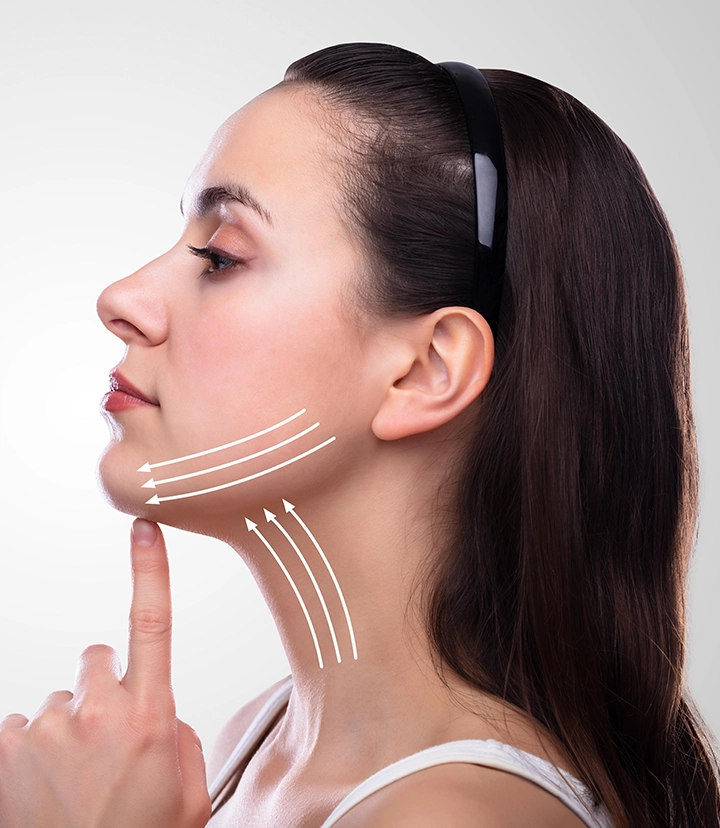
Ultherapy differs from many other skin-tightening devices because it combines microfocused ultrasound treatment with real-time visualization of tissue layers. The technology can deliver energy at precise depths of 1.5 mm, 3.0 mm, and 4.5 mm according to individual anatomy. Radiofrequency, lasers, and other ultrasound technologies use different forms of energy and may target different tissue levels or clinical concerns. Ultherapy is particularly focused on non-invasive lifting and collagen remodeling rather than resurfacing pigmentation or adding facial volume. No single skin-tightening technology is ideal for every patient because the best choice depends on laxity, skin quality, fat distribution, anatomy, and treatment goals. Dr. Haitham can compare Ultherapy with RF-based treatments, Secret RF, XERF, lasers, injectables, or surgery after assessing the underlying concern.
Who Is an Eligible Candidate for Ultherapy?
A suitable Ultherapy candidate is generally an adult with mild-to-moderate skin laxity who prefers gradual non-surgical tightening. Common concerns include a lowering brow, reduced jawline definition, loose under-chin skin, neck laxity, or selected body skin laxity. Age alone does not determine eligibility because tissue quality, anatomy, degree of laxity, and collagen response are often more important. Ultherapy may also appeal to patients who want minimal interruption to normal activities after treatment. Significant excess skin or advanced facial sagging may respond better to surgical lifting rather than non-invasive ultrasound. Dr. Haitham confirms suitability after assessing skin quality, medical history, implants, prior procedures, and individual expectations.
Who Should Avoid Ultherapy?
Ultherapy is contraindicated when open wounds, active lesions, severe or cystic acne, certain active implants, or metallic implants are present within the proposed treatment area. Treatment is not recommended directly over mechanical implants, dermal fillers, breast implants, or existing keloids according to current manufacturer precautions. The system has not been evaluated in pregnant or breastfeeding patients, children, or several medical conditions including certain bleeding disorders, autoimmune diseases, diabetes, epilepsy, and active diseases that may alter healing. Treatment should avoid the eyes, eyelids, orbital rim, thyroid region, major nerves, major blood vessels, and breast tissue. Anticoagulant treatment, implanted medical devices, previous fillers, and relevant neurological or medical history should be disclosed before treatment. Dr. Haitham reviews these factors individually before deciding whether Ultherapy should proceed, be modified, or be replaced by another option.
What to Expect During Ultherapy Treatment
Your Ultherapy appointment begins with a consultation and assessment of the areas where skin laxity is affecting your appearance. The skin is cleansed, the treatment areas are mapped, and ultrasound gel is applied so the transducer can maintain appropriate contact. Real-time DeepSEE imaging allows the practitioner to visualize tissue and select an appropriate treatment depth before energy is delivered. Focused ultrasound lines are then placed systematically through the planned treatment zones according to your personalized protocol. Patients commonly experience heat, tingling, or brief discomfort as individual energy points are delivered beneath the skin. Treatment time varies according to the area, with current manufacturer information describing sessions of approximately 30 to 90 minutes for many treatment plans.
Ultherapy Results, Recovery and Aftercare
Ultherapy does not usually require a formal recovery period, and most patients can return to normal activities immediately after treatment. Temporary redness, swelling, tenderness, bruising, tingling, numbness, or sensitivity can occur and usually improve with time. Some patients notice an early change, but the main lifting response generally develops over approximately two to three months as collagen and elastin remodeling progresses. Visible improvement may continue for several months after the session as the healing and maturation phases continue. Facial results can last a year or more in some patients, although longevity varies with aging, anatomy, lifestyle, and collagen response. Follow the clinic’s aftercare instructions and contact the medical team if you experience persistent weakness, severe pain, blistering, marked asymmetry, or another unexpected reaction.
Why Choose Dr. Haitham Al-Gzlan for Ultherapy in Riyadh?
Dr. Haitham Al-Gzlan is a Consultant Dermatologist and Aesthetic Physician practicing in Riyadh, Saudi Arabia. His work includes medical dermatology, facial aging, skin rejuvenation, laser dermatology, injectables, and non-surgical skin-tightening technologies. His current treatment portfolio includes Ultherapy alongside Secret RF, XERF, Fraxel, PicoWay, Excel V+, M22 IPL, Clear + Brilliant, and UltraPulse CO2. Access to several technologies allows treatment selection to begin with the patient’s anatomy and concern rather than automatically recommending one device. For Ultherapy, Dr. Haitham assesses laxity, tissue distribution, skin quality, previous procedures, medical history, and aesthetic goals before creating a personalized treatment plan. Patients looking for an Ultherapy dermatologist or aesthetic clinic for Ultherapy in Riyadh can begin with a consultation to determine whether microfocused ultrasound is appropriate for their needs.
Ultherapy patients commonly ask about pain, treatment frequency, recovery, results, safety, age, and how the technology compares with other tightening procedures. The answers depend on individual anatomy, the treatment area, degree of skin laxity, and the personalized ultrasound treatment plan. Ultherapy is designed primarily for non-invasive lifting and tightening rather than resurfacing, volume replacement, or surgical correction. Some patients achieve their desired improvement after one session, while others may consider additional treatment as aging continues. Body and facial treatment indications also differ, so the same treatment plan should not automatically be applied everywhere. The following answers provide general information and should be confirmed during a personalized consultation.
Frequently Asked Questions
Thermage uses monopolar radiofrequency, while Ultherapy uses microfocused ultrasound with real-time visualization and can reach deeper defined tissue planes. Neither is automatically better; the appropriate technology depends on the tissue layer, laxity pattern, and treatment goal.
There is no single ideal age because skin quality and degree of laxity matter more than the number on your birth certificate. Ultherapy is commonly considered when mild-to-moderate skin laxity begins to appear.
Ultherapy can be combined or sequenced with injectables, lasers, RF treatments, or other aesthetic procedures when clinically appropriate. Timing should be personalized because current Ulthera precautions advise against treating directly over certain dermal fillers.
You may feel heat, tingling, or brief discomfort as focused ultrasound energy is delivered beneath the skin. Sensation varies according to treatment area, depth, energy settings, and individual pain sensitivity.
Current manufacturer information describes many Ultherapy PRIME treatments as taking approximately 30 to 90 minutes. The actual duration depends on the number and size of treatment areas and the individualized treatment map.
Many patients obtain meaningful improvement after one initial Ultherapy session. Additional or maintenance treatment may be considered later according to collagen response, ongoing aging, and individual goals.
Ultherapy can produce a gradual lifting and tightening effect in appropriately selected patients by stimulating collagen-rich support tissues. The result is generally subtler than surgical lifting and varies between individuals.
Current manufacturer information states that facial results can last up to a year or more in some patients. Natural aging continues, so the duration varies according to anatomy, lifestyle, and individual collagen response.
Ultherapy and facelift surgery address different levels of facial aging and should not be considered equivalent treatments. Ultherapy suits selected mild-to-moderate laxity, while surgery may provide greater correction when significant tissue sagging is present.
Common reactions include redness, swelling, tenderness, bruising, pain, tingling, or temporary numbness. Less common post-market events include burns, scarring, pigment changes, fat loss, asymmetry, or temporary neurological effects.
Most collagen-related improvement develops gradually over approximately two to three months. Visible changes can continue evolving for up to around six months as collagen remodeling progresses.
Yes, current U.S. clearance includes selected skin laxity on the abdomen, anterior arms, posterior arms, and knees. Other body areas should not automatically be presented as cleared indications and require separate clinical and regulatory assessment.
Current Ulthera labeling includes adults regardless of Fitzpatrick skin type, race, or ethnicity when no contraindication is present. Ultrasound treatment does not rely on targeting melanin in the way many pigment lasers do.
Because the skin surface is not ablated, makeup can often be applied relatively soon when the skin feels comfortable and intact. Follow Dr. Haitham's instructions if redness, tenderness, or another temporary reaction remains.
Most reactions reported in clinical studies were temporary, but post-market surveillance includes uncommon neurological, skin, soft-tissue, and pigmentary complications. Careful anatomical treatment and qualified use of the system remain important for reducing risk.
Ultherapy should not be applied over the eyelids, within the orbital rim, or where ultrasound energy could reach the eye. Brow treatment may improve the appearance around the upper eye indirectly, but direct under-eye treatment requires particular anatomical caution.
Ultherapy is designed to stimulate collagen-rich dermal and fibromuscular support layers rather than exercise or permanently contract facial muscles. The resulting effect comes from tissue coagulation, healing, and collagen remodeling.
Improvement in neck and submental tissue laxity can contribute to a more defined lower-face and jawline appearance in suitable patients. Results depend on whether the concern is caused by loose skin, fat, bone structure, or volume changes.
One treatment is sufficient to produce meaningful results for many patients, according to manufacturer guidance. Some people may later choose maintenance as collagen changes and natural aging continue.
Ultherapy cost in Riyadh depends on the treatment area, number of treatment lines, anatomical coverage, and personalized treatment plan. An accurate price is best provided after Dr. Haitham assesses your laxity and determines the appropriate treatment areas.
Book Your Ultherapy Consultation in Riyadh
If sagging skin, reduced firmness, under-chin laxity, or changing facial contours are affecting your appearance, Ultherapy may be one non-surgical treatment option to consider. Dr. Haitham Al-Gzlan first evaluates your anatomy, degree of skin laxity, tissue distribution, medical history, previous procedures, and aesthetic goals. Your consultation can also clarify whether Ultherapy, Secret RF, XERF, injectables, another energy-based treatment, or surgery would better address the underlying concern. When Ultherapy is appropriate, treatment areas, depths, energy delivery, and overall coverage are personalized rather than using one standard protocol. Expected results, treatment comfort, potential side effects, recovery, and likely longevity can be discussed before proceeding. Book an Ultherapy consultation in Riyadh to receive a treatment plan based on your individual skin and facial-aging pattern.