
Acne Treatment in Riyadh – Expert Care by
Dr. Haitham Al-Gzlan
Acne is one of the most common skin conditions affecting teenagers and adults, from occasional pimples and clogged pores to persistent inflammatory or severe acne. Dr. Haitham Al-Gzlan, Consultant Dermatologist in Riyadh, provides personalized acne treatment based on your acne type, severity, skin condition, medical history and treatment goals. Depending on your needs, your plan may include topical acne treatment, prescription medication, chemical peels, laser and light-based procedures, or other dermatologist-led therapies to help control breakouts and support clearer, healthier-looking skin.
Acne Symptoms: Do You Have These Signs?
Acne can appear differently depending on its type and severity. Some patients primarily develop blocked pores, while others experience inflammation, painful cysts or lasting post-acne changes. Recognizing these signs can help determine when professional dermatologist acne treatment may be appropriate.
Blackheads & Whiteheads (Comedones)
Blackheads and whiteheads are forms of comedonal acne that develop when pores become blocked with sebum and dead skin cells. Blackheads remain open at the surface and appear dark, while whiteheads form within closed pores. Persistent comedones may benefit from a structured topical acne treatment and professional skincare plan rather than repeated squeezing or extraction at home.
Red, Inflamed Pimples (Papules & Pustules)
Papules and pustules are associated with inflammatory acne and may appear as red, swollen pimples, with pustules containing visible pus. Inflammation can develop around blocked follicles as Cutibacterium acnes and the body’s inflammatory response contribute to the acne process. Treatment focuses on reducing inflammation, controlling new breakouts and preventing progression to acne scars.
Deep, Painful Cysts & Nodules
Nodules and cysts develop deeper within the skin and are characteristic of more severe acne. They can be painful and have a greater tendency to leave permanent scars. Severe acne treatment may require prescription acne medication and closer dermatological monitoring, particularly when topical therapies alone do not provide sufficient control.
Post-Acne Marks & Hyperpigmentation
Acne can leave temporary discoloration after a breakout has healed. Post-inflammatory hyperpigmentation (PIH) can appear as dark spots, while post-inflammatory erythema (PIE) may leave persistent red or pink areas. Post-acne hyperpigmentation treatment depends on skin type, pigmentation depth, sun exposure and whether active acne remains.
Acne Scars (Icepick, Boxcar, Rolling)
Unlike temporary acne marks, structural acne scars change the surface of the skin. Common atrophic scars include icepick, boxcar and rolling scars, while some patients develop raised hypertrophic or keloid scars. Once active acne is appropriately controlled, treatments such as microneedling, radiofrequency microneedling and selected fractional laser procedures may be considered for scar remodeling.
Types of Acne We Treat
Understanding the type of acne is important because treatment should match the underlying pattern and severity. Dr. Haitham assesses whether your condition is primarily comedonal, inflammatory, hormonal, nodulocystic or related to another skin condition before recommending an appropriate treatment plan.
Mild Acne (Blackheads & Whiteheads)
Mild acne commonly involves blackheads, whiteheads and smaller breakouts without extensive inflammation. Treatment may focus on topical retinoids, appropriate medical skincare and measures that help prevent follicular blockage and recurring comedones.
Moderate Acne (Inflammatory Papules & Pustules)
Moderate acne can involve frequent inflammatory papules and pustules, redness and recurring breakouts. Effective acne treatment may combine topical medication with other dermatologist-recommended therapies depending on the patient’s skin and treatment response.
Severe Acne (Nodules & Cysts)
Severe acne includes deeper nodules and cysts that may be painful and more likely to cause permanent scarring. A dermatologist may consider stronger prescription treatments, including oral medications, when clinically appropriate. Early severe acne treatment can help reduce ongoing inflammation and the risk of further scarring.
Hormonal Acne (Jawline, Chin, Neck)
Hormonal changes can influence sebum production and contribute to recurring acne around the jawline, chin and neck. Adult acne treatment for suspected hormonal acne depends on the individual’s symptoms, medical history and possible contributing factors. In selected patients, a dermatologist may consider appropriate hormonal or anti-androgen treatment.
Adult Acne vs. Teenage Acne
Acne can affect adults as well as teenagers, but the pattern and contributing factors may differ. Adult acne can be influenced by hormonal changes, stress, skincare products, medications and other factors, while teenage acne commonly develops alongside pubertal hormonal changes and increased sebum production. A personalized assessment helps determine the appropriate best acne treatment for adults rather than relying on an age-based approach.
Body Acne (Back, Chest, Shoulders)
Acne can also affect the back, chest and shoulders, where sweat, friction, oil production and occlusive clothing can contribute to breakouts. Body acne treatment depends on the severity and distribution of the lesions and may involve topical medication, medical skincare or other treatments when appropriate.
Acne Causes & Triggers
Acne develops through several interconnected processes rather than one single cause. Excess sebum, follicular hyperkeratinization, microcomedone formation, inflammation and Cutibacterium acnes can contribute to the development of acne. Hormonal changes, genetics, medications, stress and skincare habits can further influence the condition.
Hormonal Changes & Genetics
Hormonal fluctuations can increase sebaceous gland activity and sebum production, contributing to clogged follicles and inflammatory breakouts. Genetics can also influence acne susceptibility, severity and how long the condition persists.
Excess Oil Production & Clogged Pores
Excess sebum, dead skin cells and abnormal shedding within the follicle can contribute to follicular blockage. This process can begin with microcomedone formation and progress into blackheads, whiteheads and inflammatory acne lesions.
Bacteria (C. acnes) & Inflammation
Cutibacterium acnes (C. acnes) naturally exists on the skin, but changes within blocked follicles can support bacterial proliferation and an inflammatory response. Cytokine release and inflammation can contribute to swollen papules, pustules, nodules and cysts.
Environmental Triggers in Riyadh
Riyadh’s climate can introduce additional considerations for acne-prone skin. Intense UV exposure, heat, dust, indoor air conditioning and frequent transitions between hot outdoor and cooled indoor environments can affect the skin barrier. Occlusive sunscreen, makeup and skincare products may also contribute to clogged pores in some individuals when they are not well suited to the skin.
Lifestyle Factors: Diet, Stress & Skincare Habits
Stress, sleep patterns, diet, skincare habits and product selection may influence acne in some patients. Rather than assuming one universal acne diet or trigger, identifying your individual patterns can help create a more practical and sustainable acne management plan.
How Dryness & Humidity Affect Your Skin Health
Acne-prone skin can still become dehydrated or irritated. Excessive cleansing, harsh products and dry indoor air may compromise the skin barrier and increase irritation. Maintaining appropriate hydration and using non-comedogenic skincare can help support skin health while medical treatment addresses the underlying acne.
Acne Diagnosis: How We Assess Your Skin
A professional acne diagnosis looks beyond the number of pimples. Dr. Haitham evaluates the type of acne, distribution, severity, inflammation, skin type, pigmentation and any existing acne scars. Your medical history, medications, skincare routine and previous treatment response also help determine the most appropriate approach.
Clinical Skin Examination
A clinical skin examination allows the dermatologist to identify comedones, inflammatory lesions, nodules, cysts, pigmentation and scarring. The assessment may also consider areas such as the scalp, jawline, chest and back when symptoms extend beyond the face.
Acne Severity Grading: Mild, Moderate & Severe
Acne severity is assessed according to the number and type of lesions, degree of inflammation and presence of deeper nodules, cysts or scarring. Accurate grading helps determine whether topical acne treatment is sufficient or whether additional medical or procedural treatment should be considered.
Hormonal Evaluation If Needed
Hormonal testing is not necessary for every acne patient. When the clinical history suggests a possible hormonal component, particularly in patients with persistent adult acne or other relevant symptoms, further medical evaluation may be recommended.
Ruling Out Other Skin Conditions
Not every facial bump is acne. Conditions such as folliculitis, perioral dermatitis and rosacea can sometimes resemble acne. An experienced dermatologist can distinguish between these conditions and determine whether you need conventional acne treatment, acne rosacea treatment, or another approach.
Why Choose Dr. Haitham Al-Gzlan for Acne in Riyadh?
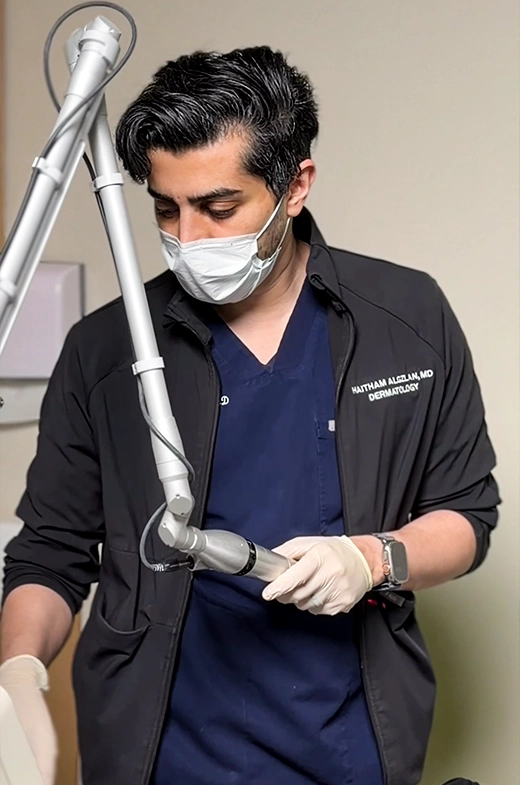
Dr. Haitham Al-Gzlan provides consultant-led dermatological care that combines medical acne management with selected aesthetic and device-based treatments. His approach focuses on understanding the cause and severity of your acne before recommending a treatment strategy.
American Board-Certified Dermatology Expertise
Dr. Haitham Al-Gzlan is presented by his practice as an American Board-certified Consultant Dermatologist, providing dermatological and aesthetic care in Riyadh.
Advanced Laser & Peel Technologies Available
Depending on the patient’s condition, acne treatment may incorporate medical-grade chemical peels, laser and light-based procedures or other technologies. These treatments are selected according to the specific clinical concern rather than used as a universal solution.
Personalized Treatment Plans for Saudi Skin Types
Skin type and pigmentation characteristics are important when selecting acne procedures, particularly laser and light-based treatments. Personalized settings and appropriate aftercare can help manage the risk of irritation and post-inflammatory pigmentation.
Medical + Aesthetic Approach
Acne treatment and acne scar treatment are connected but not identical. Active acne may require medical control first, while residual pigmentation or structural scars can later be addressed through selected aesthetic procedures. Combining these perspectives creates a more comprehensive approach to acne care.
Ongoing Support & Maintenance Guidance
Because acne can recur, ongoing management is an important part of treatment. Follow-up consultations allow the treatment plan to be adjusted as your skin changes and help address new breakouts, acne marks or scarring when necessary.
How Skin Specialists Treat Acne Professionally?
Professional acne care combines diagnosis, medical treatment and appropriate procedures rather than relying on a single acne treatment machine or cosmetic facial. The treatment plan can evolve as active acne improves and the focus shifts toward preventing new breakouts and treating residual marks or scars.
Step 1: Initial Consultation – Examining Acne Type & Complexity
Dr. Haitham begins by assessing your acne type, severity, skin condition, previous treatments and possible triggers. This helps distinguish straightforward acne vulgaris from hormonal acne, severe acne or other conditions that may require a different treatment approach.
Step 2: Personalized Treatment Plan – Based on Skin Condition
Your treatment plan is customized around your skin type, acne severity, medical history and goals. Depending on the diagnosis, this may include topical retinoids such as tretinoin, adapalene or tazarotene, benzoyl peroxide, other topical acne medications or oral treatments.
For selected patients with severe or persistent acne, systemic treatments such as oral isotretinoin may be considered under appropriate medical supervision. In suitable adult patients, other prescription options may also be evaluated according to the clinical situation.
Step 3: Non-Surgical Procedures – Lasers, Peels, Medications & Microneedling
Procedural acne care may include chemical peels, laser treatment for acne, light-based acne treatments, microneedling or radiofrequency microneedling, depending on the concern. Active acne and acne scarring should be distinguished because treatments designed for scar remodeling are not necessarily appropriate for active inflammatory lesions.
Step 4: Follow-Up Sessions – Monitoring Progress & Adjusting the Plan
Acne often requires ongoing management rather than a one-time procedure. Follow-up allows the dermatologist to evaluate treatment response, manage irritation or side effects, adjust medication when necessary and introduce scar or pigmentation treatment when active acne is adequately controlled.
Acne Treatment Options in Riyadh
There is no single best acne treatment for every patient. Treatment depends on whether you have comedonal, inflammatory, hormonal or severe acne, as well as your skin type, previous treatment response and risk of scarring. Depending on the assessment, treatment may include topical medication, oral prescription medication, chemical peels, laser or light-based treatments, and other procedures.
Chemical Peels for Acne
Medical chemical peels can help selected patients with acne by supporting exfoliation, reducing follicular blockage and improving the appearance of post-acne marks. Depending on your skin and treatment goals, a dermatologist may consider salicylic acid, mandelic acid or glycolic acid peels. Peel strength and frequency should be selected according to skin condition and pigmentation risk.
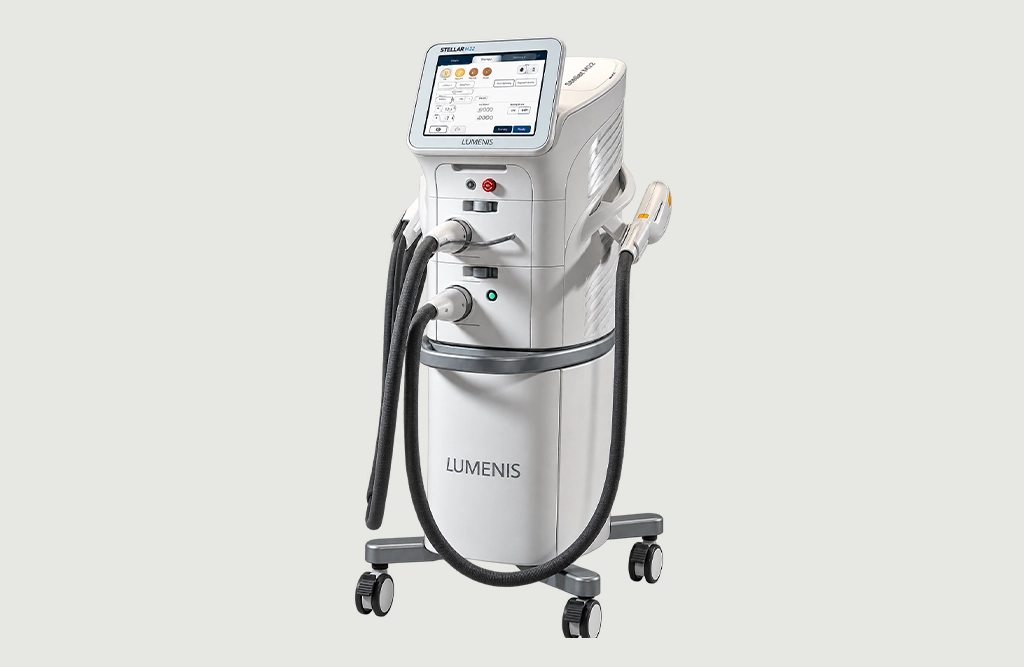
M22 IPL
M22 IPL uses intense pulsed light technology and may be considered for selected acne-related concerns such as redness or post-acne pigmentation. It is not a universal treatment for active acne, and suitability depends on the patient’s skin type, acne characteristics and treatment goals.
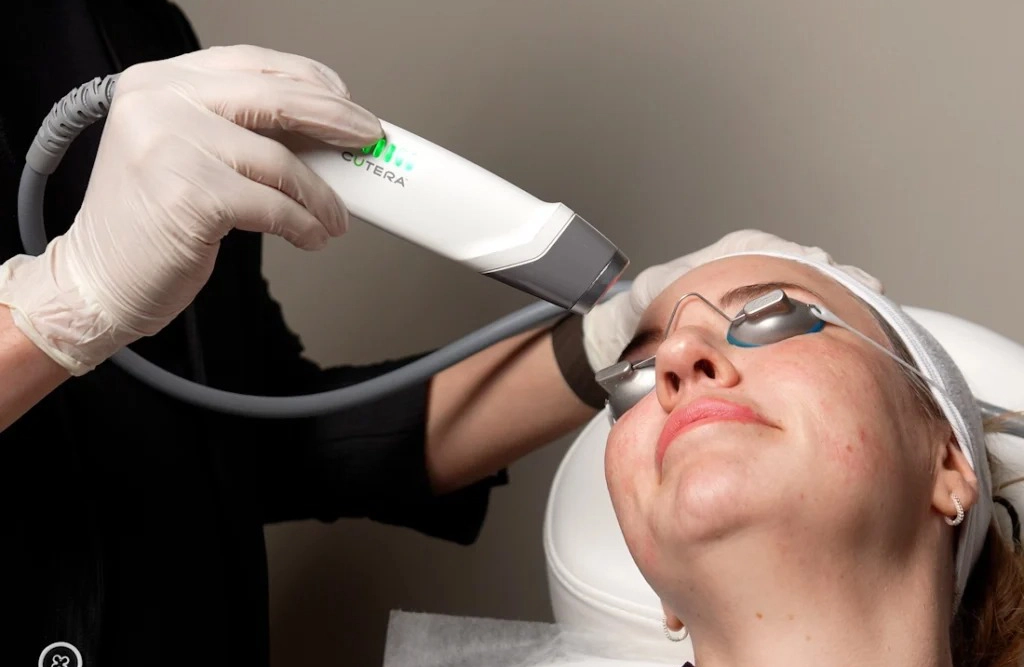
Laser Genesis
Laser Genesis is a non-ablative laser treatment that delivers controlled energy into the skin without removing the surface layer. Depending on the patient’s condition, it may be considered for certain acne-related concerns, including redness, uneven skin appearance and the appearance of enlarged pores. The treatment plan is adjusted according to skin type and clinical needs.
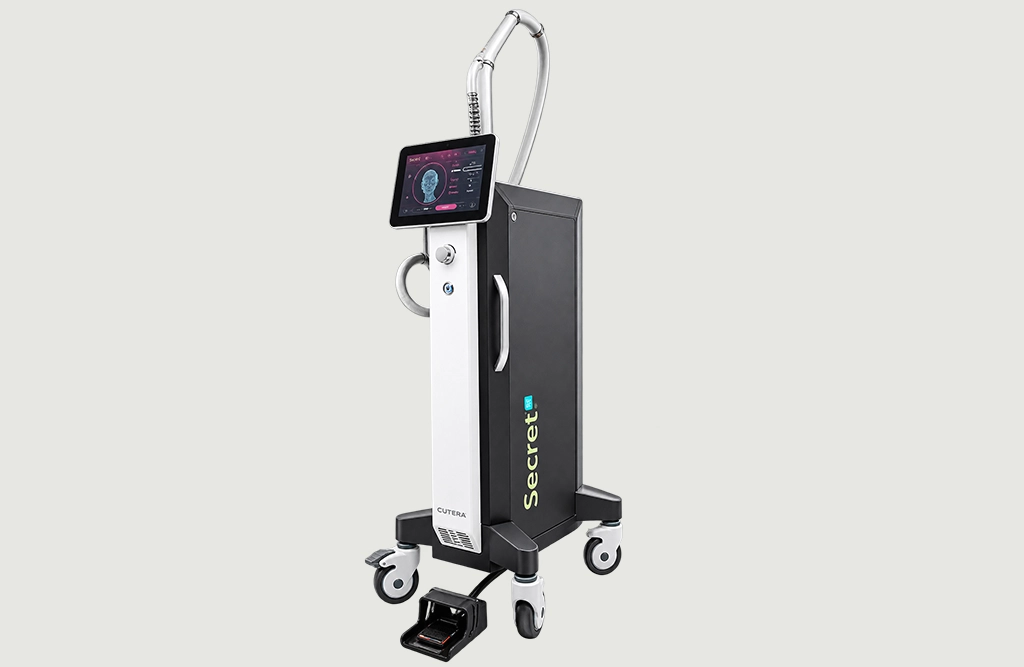
Secret RF
Secret RF combines microneedling with radiofrequency energy to deliver controlled thermal energy into the deeper layers of the skin. By stimulating the skin’s natural healing response and collagen production, Secret RF treatment may be considered for certain types of acne scars and uneven skin texture. Treatment depth and energy settings can be customized according to the patient’s skin and scar characteristics.
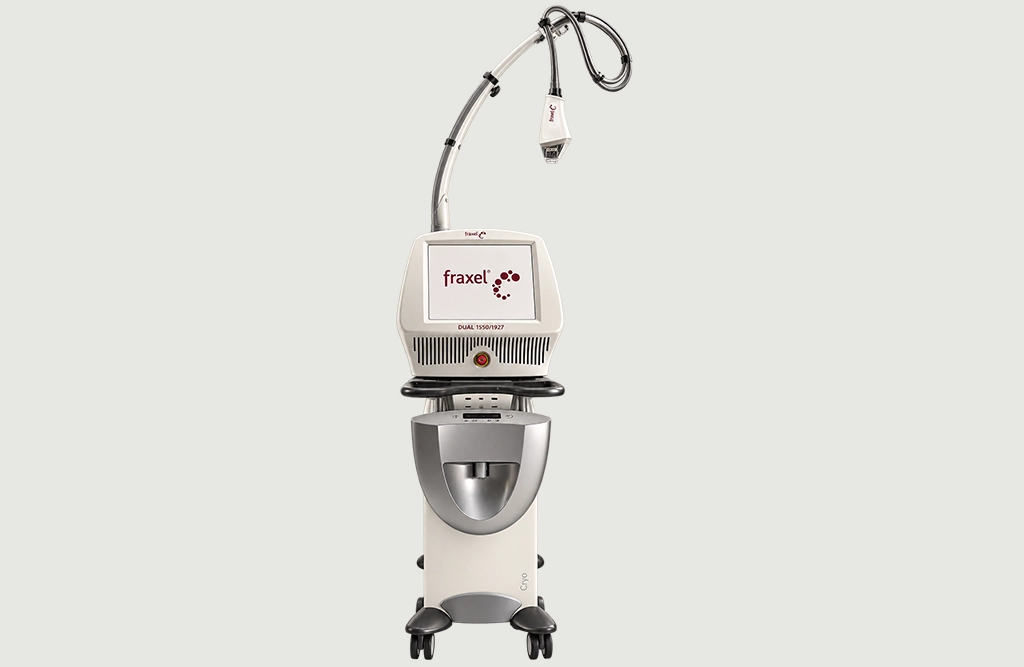
Fraxel Laser
Fraxel laser treatment uses fractional resurfacing technology to treat microscopic areas of the skin while leaving surrounding tissue intact. Fraxel laser for acne scars may be considered for selected patients with uneven texture and moderate acne scarring. As the skin heals, the treatment can stimulate remodeling and collagen production.
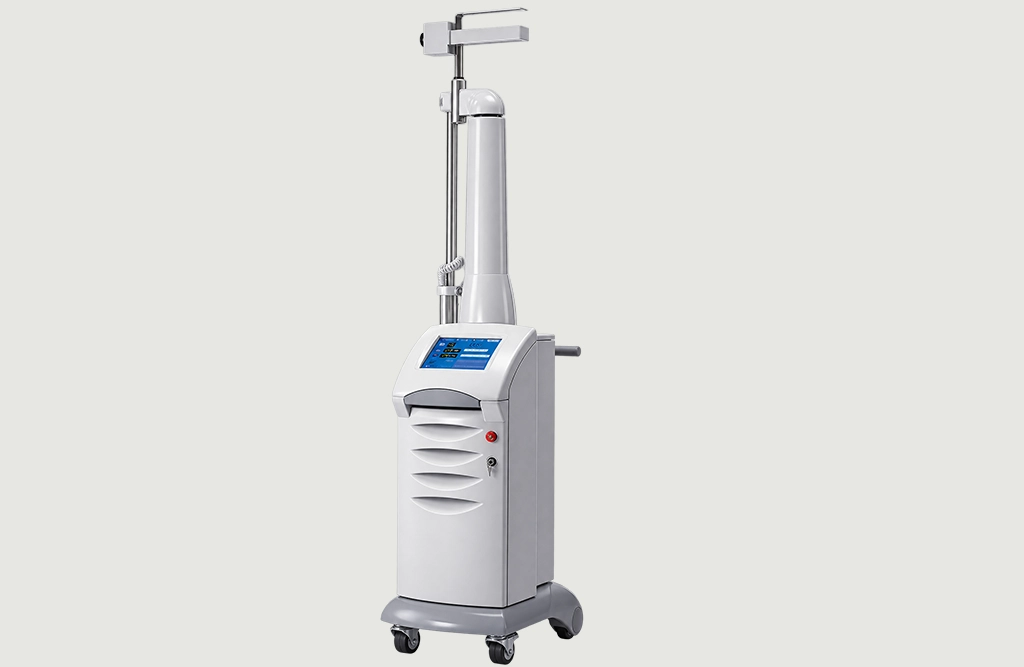
UltraPulse Fractional CO2 Laser
The UltraPulse fractional CO2 laser provides deeper fractional resurfacing and may be considered for selected patients with more pronounced acne scars and textural irregularities. Fractional CO2 laser treatment creates controlled microscopic treatment zones that encourage skin renewal and collagen remodeling. Because CO2 resurfacing can involve more recovery than non-ablative treatments, suitability and treatment intensity must be assessed carefully.
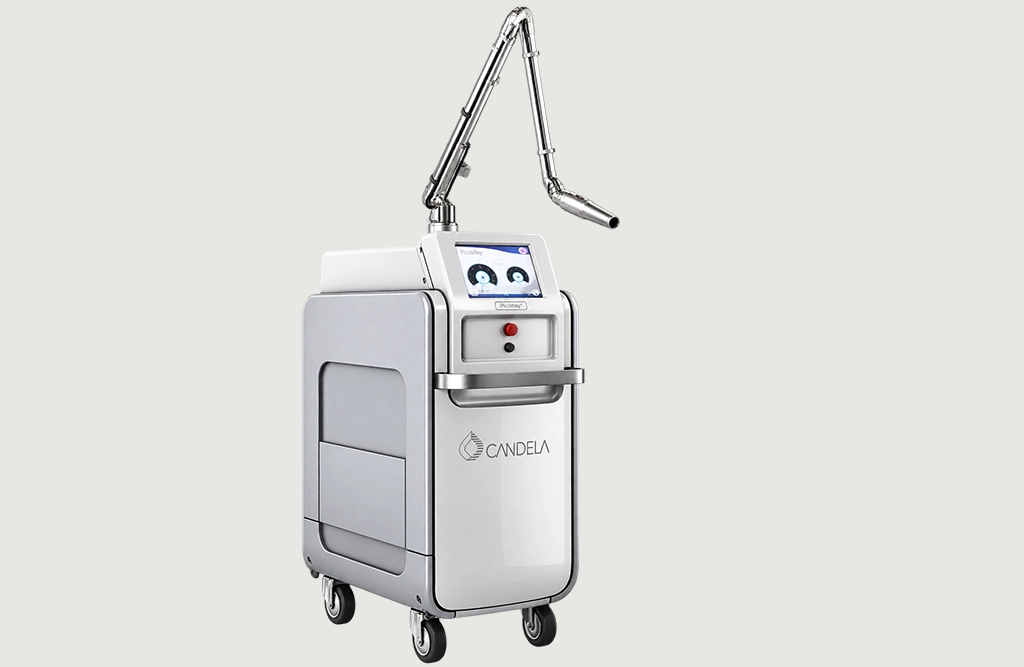
PicoWay
PicoWay uses picosecond laser technology and can be considered for selected pigmentation concerns and post-acne marks. PicoWay laser for acne scars may be relevant when pigmentation contributes to the appearance of post-acne scarring, although true structural scars require a different treatment strategy. The appropriate approach depends on whether your primary concern is pigmentation, texture or both.
Acne Treatment for Children & Teenagers
Acne commonly develops during adolescence, but treatment should be tailored to the patient’s age, severity and skin sensitivity. A dermatologist can recommend an age-appropriate skincare and medical treatment plan while helping teenagers avoid picking or squeezing lesions that can increase inflammation and scarring.
For younger patients, treatment decisions require particular care. Prescription medications and procedures should only be considered when medically appropriate, with the patient’s health and safety taking priority.
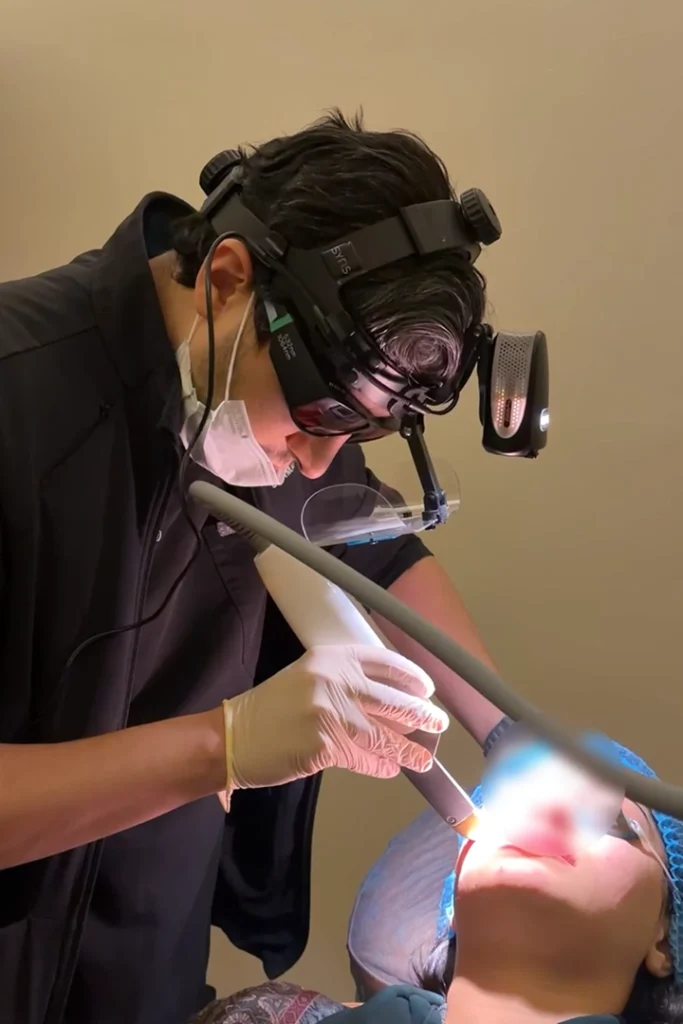
Who Qualifies for Acne Treatment?
Acne treatment can be appropriate for teenagers and adults experiencing persistent breakouts, inflammatory acne, hormonal acne, severe acne, body acne, post-acne pigmentation or acne scarring. Patients whose acne has not responded to appropriate skincare or previous treatment may particularly benefit from a professional dermatological assessment.
The appropriate treatment is determined by diagnosis rather than simply by the desire for a particular procedure. Patients with active acne, acne marks and established scars may require different or staged treatment strategies.
Aftercare Steps to Avoid New Breakouts
Following your personalized aftercare plan can help support acne control. Use gentle, non-comedogenic skincare, avoid aggressive scrubbing and resist squeezing or picking pimples. Apply appropriate sunscreen daily, particularly when using treatments that can increase photosensitivity, and follow medication instructions carefully.
If you experience irritation during the early stages of topical retinoid treatment, your dermatologist can advise you on how to manage the retinization phase while maintaining treatment safely. Consistency is generally more useful than repeatedly changing products in search of a quick solution.
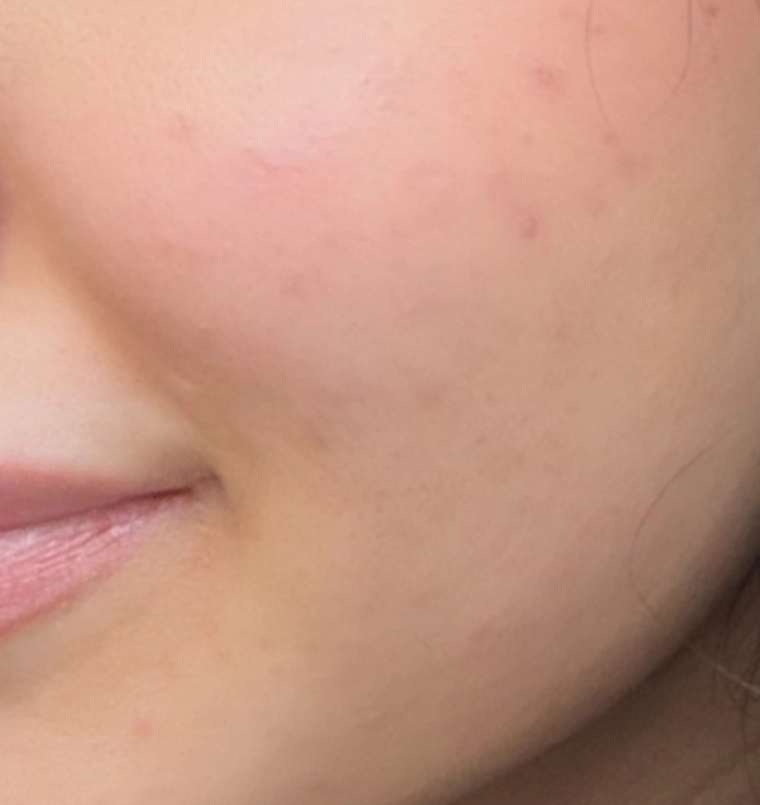
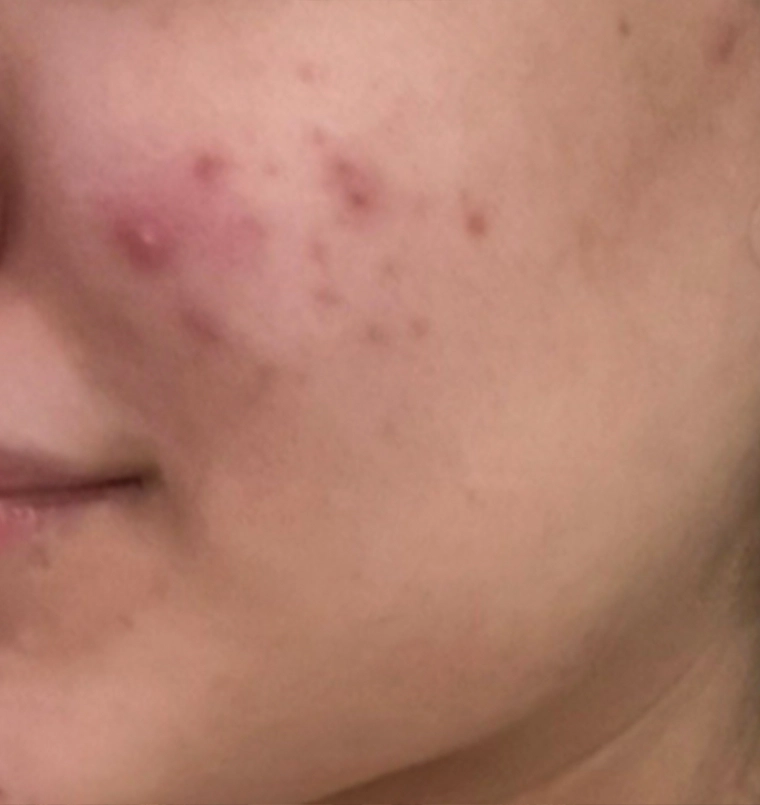
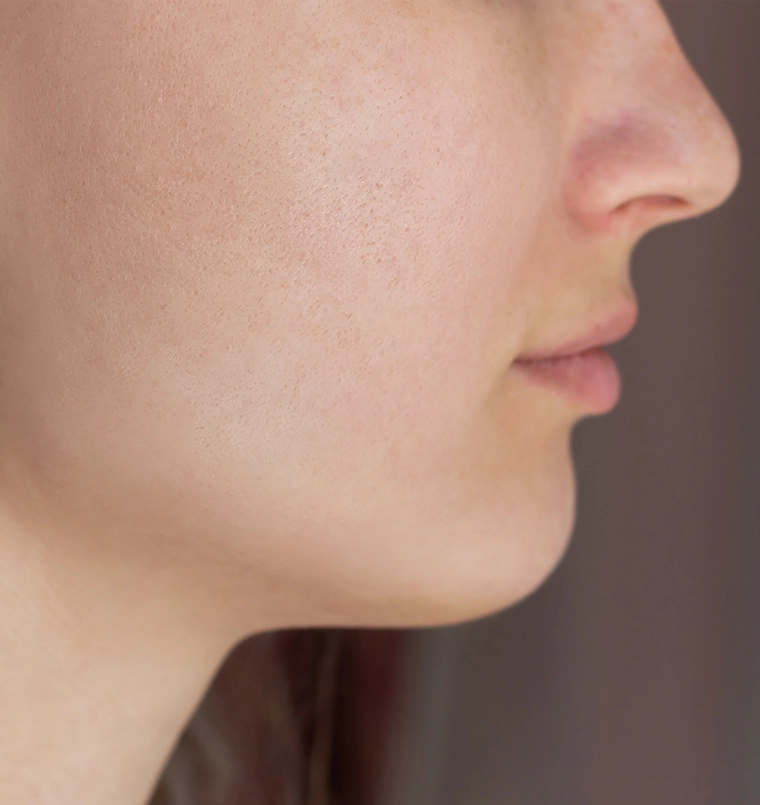
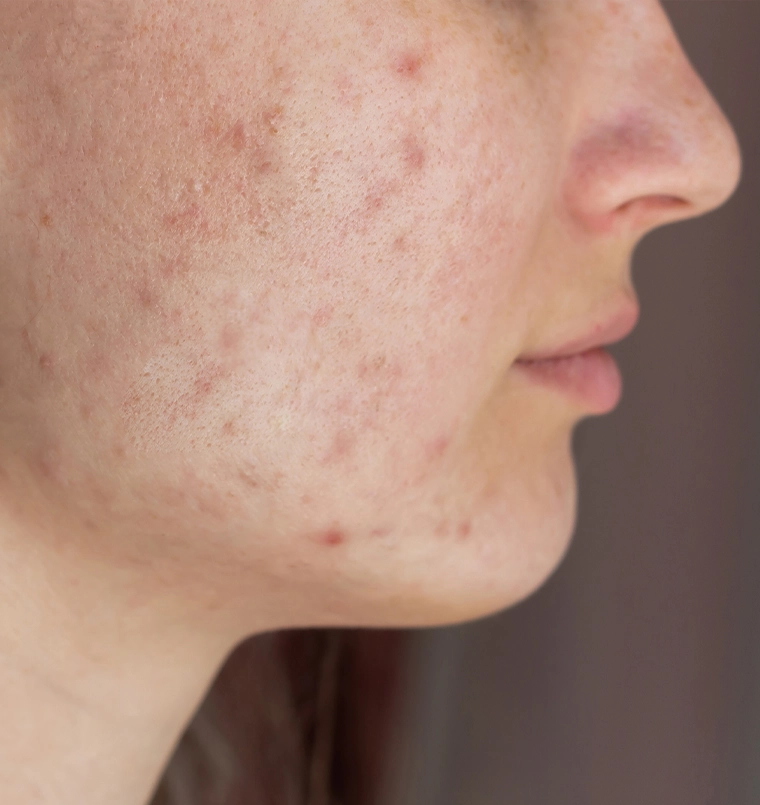
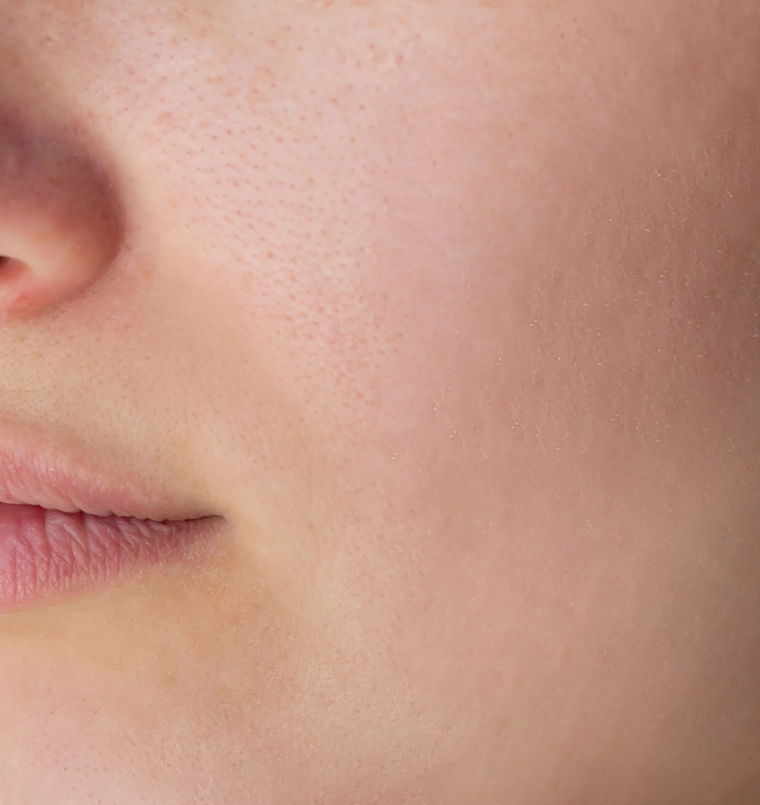
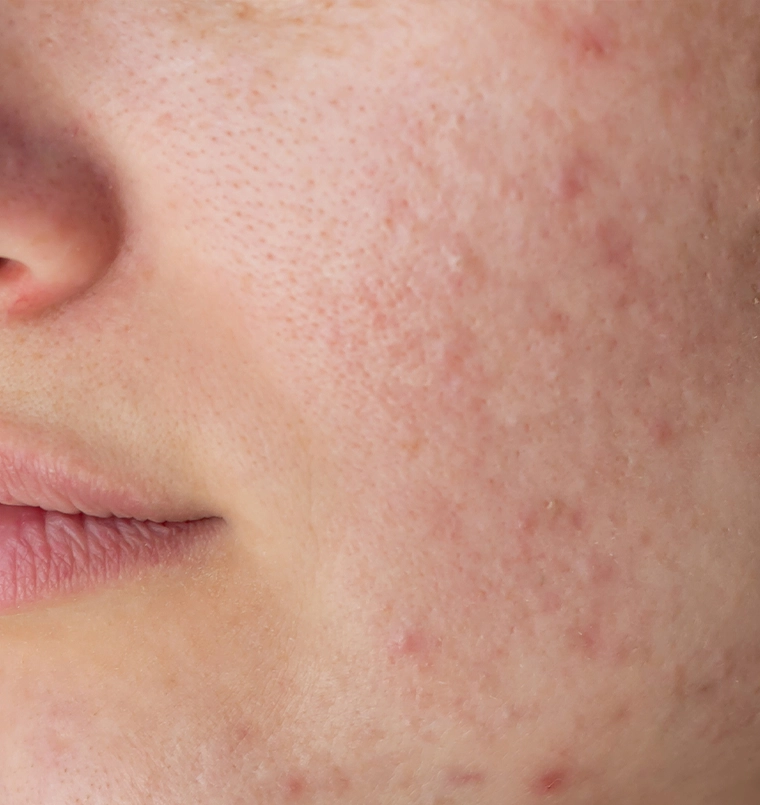
Real Patient Results: Acne Treatment Before & After
Before-and-after results can help illustrate how acne treatment may improve breakouts, pigmentation, skin texture and acne scars. However, every patients skin responds differently. Acne type, severity, scar depth, skin type, treatment combination and adherence to aftercare can all influence the final result.
Any patient photographs presented on the website should represent actual treatment outcomes and be displayed with appropriate patient consent.
Acne Treatment FAQs: Riyadh Patients Ask
The timeline varies according to the type and severity of acne and the treatment used. Some treatments can improve inflammation and breakouts gradually over several weeks, while more persistent acne may require a longer management plan. Your dermatologist can provide expectations based on your individual condition.
There is no guaranteed permanent laser acne cure or single treatment that prevents acne from ever returning. Acne can be controlled effectively for many patients, but hormonal changes, genetics, sebum production and other factors can cause future breakouts. Long-term acne management helps maintain control.
Certain laser and light-based treatments may be appropriate for selected patients with active acne, but not every laser is designed for this purpose. Your dermatologist should first determine the acne type, severity and skin characteristics before recommending laser treatment for acne.
The number of chemical peel sessions depends on your acne, skin sensitivity, pigmentation and treatment goals. Some patients may benefit from a series of treatments rather than a single peel. The strength and interval between sessions should be determined by a qualified dermatologist.
Acne treatment can help prevent new scars by controlling active inflammation, but established structural scars require a separate assessment. Depending on scar type, treatments may include microneedling, RF microneedling, fractional laser or other scar-remodeling procedures.
Not all acne medications and procedures are suitable during pregnancy. Some commonly used prescription acne treatments, including retinoids and isotretinoin, require particular precautions and may be contraindicated. If you are pregnant, planning pregnancy or breastfeeding, tell your dermatologist before starting any acne treatment.
Acne treatment focuses on active breakouts, clogged pores, inflammation and preventing new lesions. Acne scar treatment focuses on changes that remain after acne has healed, such as icepick, boxcar and rolling scars. Treating active acne first is often an important step before undertaking intensive scar-remodeling procedures.
Consistent medical skincare, appropriate maintenance medication, non-comedogenic products, sun protection and avoiding unnecessary picking can help reduce recurring breakouts. Your dermatologist can also identify contributing factors and create a maintenance plan suited to your skin.
Diet may influence acne in some individuals, but there is no single diet that universally causes or cures acne. A balanced diet and healthy lifestyle can support overall wellbeing, while persistent acne should be evaluated and treated according to its clinical characteristics.
Ready to Clear Your Skin? Book Your Acne Consultation in Riyadh
Whether you are dealing with blackheads, whiteheads, inflammatory pimples, hormonal acne, cystic acne, severe acne, body acne, post-acne hyperpigmentation or acne scars, professional assessment can help determine the right treatment strategy. Dr. Haitham Al-Gzlan combines medical acne management with selected peels, laser and light-based procedures and scar-remodeling treatments according to each patient’s skin and individual needs.
Book your acne consultation in Riyadh with Dr. Haitham Al-Gzlan and take the first step toward clearer, healthier-looking skin.