
Rosacea Treatment in Riyadh
Clearer-looking, calmer skin through personalized medical care, vascular laser treatment, and advanced technologies including Excel V+, M22 IPL, and Laser Genesis.
Rosacea is a chronic inflammatory skin condition that commonly causes persistent facial redness, flushing, visible capillaries, burning, sensitivity, and acne-like bumps. Dr. Haitham Al-Gzlan provides personalized rosacea treatment in Riyadh, combining medical dermatology with carefully selected laser and light-based therapies to address the specific symptoms, severity, skin type, and triggers affecting each patient.
What Is Rosacea?
Rosacea is a long-term inflammatory skin disease that primarily affects the face and can cause recurring erythema, facial flushing, visible blood vessels, inflammatory bumps, and increased skin sensitivity. Some people experience mainly redness and flushing, while others develop papules and pustules, thickened skin, or eye-related symptoms known as ocular rosacea.
Rosacea does not affect everyone in the same way. Its symptoms can fluctuate over time and may become more noticeable when the skin encounters specific environmental or lifestyle triggers. A proper rosacea diagnosis helps distinguish it from acne, contact dermatitis, seborrheic dermatitis, and other causes of facial redness so treatment can be tailored appropriately.
Rosacea Symptoms: Do You Have These Signs?
Rosacea can present differently depending on its subtype and stage. Recognizing the pattern of your symptoms can help determine whether a dermatological assessment is appropriate.
Facial Redness & Flushing
Persistent facial redness is one of the most recognizable signs of rosacea. Patients may experience erythema across the cheeks, nose, chin, or forehead, together with episodes of flushing triggered by heat, sunlight, exercise, stress, spicy foods, or temperature changes. Over time, repeated flushing may contribute to more persistent redness and vascular changes.
Visible Blood Vessels
Small visible capillaries, veins, or spider-like vessels on the face are commonly associated with vascular rosacea. This appearance, known medically as telangiectasia, can develop as facial blood vessels repeatedly dilate. Vascular laser treatment and selected light-based therapies may help reduce the appearance of these visible vessels when clinically appropriate.
Acne-Like Bumps and Pustules
Papulopustular rosacea can produce inflammatory bumps and pustules that resemble acne. This form is sometimes referred to as acne rosacea, although rosacea and acne are separate conditions. Correct diagnosis is important because the treatment approach for rosacea-related inflammatory lesions can differ from conventional acne treatment.
Thickened Skin (Phymatous Changes)
Phymatous rosacea can cause gradual thickening and textural changes in the skin, most noticeably around the nose in some patients. These changes are less common than facial redness or flushing but may require specialist dermatological evaluation and treatment.
Ocular Rosacea (Eye Symptoms)
Ocular rosacea affects the eyes and surrounding areas and may cause dryness, irritation, burning, redness, watery eyes, or a gritty sensation. Eye symptoms should not be ignored, particularly when they are persistent or accompanied by visual changes. Appropriate medical evaluation can help determine whether referral for ophthalmic care is needed.
Rosacea Causes & Triggers (Riyadh-Specific Insights)
The exact rosacea causes are not fully understood, but the condition appears to involve a combination of genetic susceptibility, vascular reactivity, inflammation and environmental factors. Research also continues to examine the role of microorganisms such as Demodex folliculorum, although rosacea should not be reduced to a single cause.
For patients living in Riyadh, environmental exposure can be particularly relevant. Intense sunlight and high UV exposure, extreme heat, sudden temperature changes between outdoor heat and air-conditioned environments, and dust or sandstorms can aggravate sensitive skin in some individuals. Identifying personal rosacea triggers is therefore an important part of long-term rosacea skin care.
Genetic & Vascular Factors
Some people may have a greater genetic tendency toward rosacea and vascular hyper-reactivity. Repeated dilation of facial capillaries can contribute to persistent erythema and visible telangiectasia. Inflammatory activity and changes in the skin's vascular response may also influence how frequently redness and flushing occur.
Environmental Triggers in Riyadh
Riyadh's intense heat, strong sunlight and high UV exposure can make trigger management especially important for people with sensitive or rosacea-prone skin. Heat exposure, direct sun, rapid thermal changes and dry indoor air from air conditioning may aggravate flushing or discomfort in some patients. Consistent sun protection and an individualized skin-care routine can help reduce avoidable triggers.
Skincare Mistakes That Worsen Rosacea
Harsh cleansers, excessive exfoliation, aggressive scrubbing, fragranced products and unsuitable active ingredients may compromise the skin barrier and increase sensitivity. A gentle rosacea cleanser, appropriate moisturizer and consistent sun protection can help support barrier function. Skincare should be selected according to your skin's sensitivity rather than following a generic routine.
Rosacea Diagnosis: How We Assess Your Skin
There is no single blood test that routinely confirms rosacea. Diagnosis is primarily based on your symptoms, medical history and clinical examination of the skin. Dr. Haitham assesses the pattern of redness, flushing, visible vessels, inflammatory bumps, skin sensitivity and other signs to determine whether the presentation is consistent with rosacea.
The assessment also considers possible triggers, previous treatments and other conditions that can resemble rosacea. Identifying whether you have predominantly erythematotelangiectatic, papulopustular, phymatous or ocular features helps guide the treatment strategy.
Rosacea Treatment Options We Offer
Rosacea treatment aims to control symptoms, reduce inflammation and improve visible redness or vascular changes rather than promising a permanent rosacea cure. The most appropriate approach depends on your symptoms, severity, skin type, triggers and response to previous treatment.
Medical Management (Topical & Oral Medications)
Medical rosacea treatment may include topical or oral medication depending on the clinical presentation. Depending on the patient’s needs, a dermatologist may consider options such as topical metronidazole, topical ivermectin, azelaic acid, or low-dose oral doxycycline. These treatments can help manage inflammatory lesions and other symptoms, but medication should be selected and prescribed according to individual medical assessment.
Advanced Laser & Light Therapies
For persistent facial redness and visible blood vessels, selected patients may benefit from laser for rosacea or light-based treatment. Vascular laser therapy works by targeting blood vessels associated with visible redness, while IPL and non-ablative laser technologies can be considered for specific presentations. The choice of treatment depends on the type of redness, visible vessels, skin type and treatment goals.
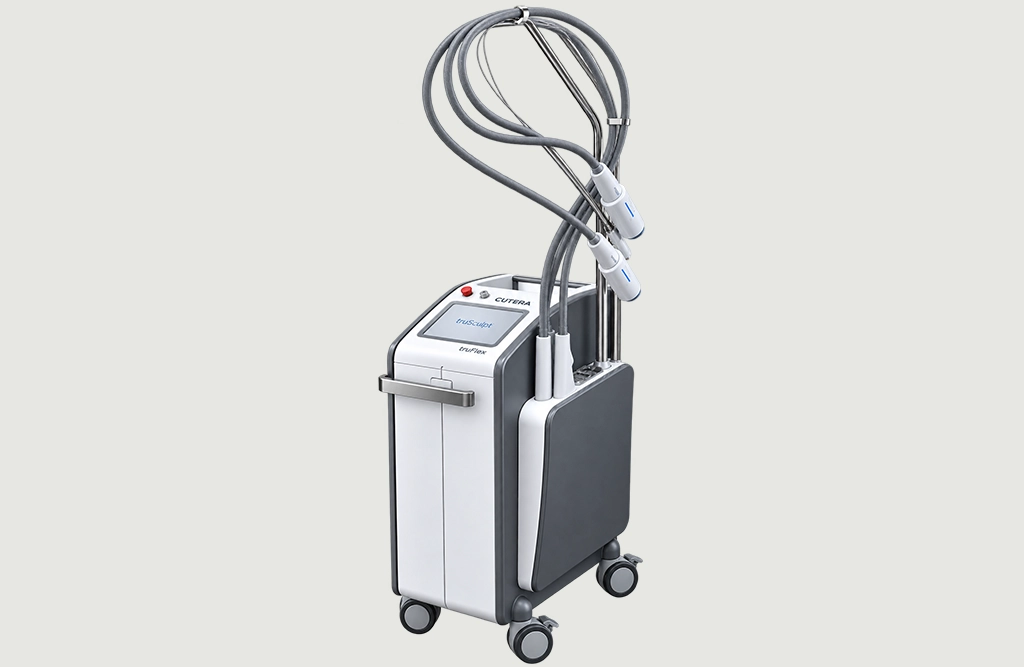
Excel V+ Laser for Rosacea & Facial Redness
Cutera Excel V+ is a vascular laser designed to target selected vascular concerns. It may be considered for persistent facial redness and visible capillaries associated with rosacea. Treatment parameters can be adjusted according to the patient's skin and vascular presentation, making assessment an important part of treatment planning.
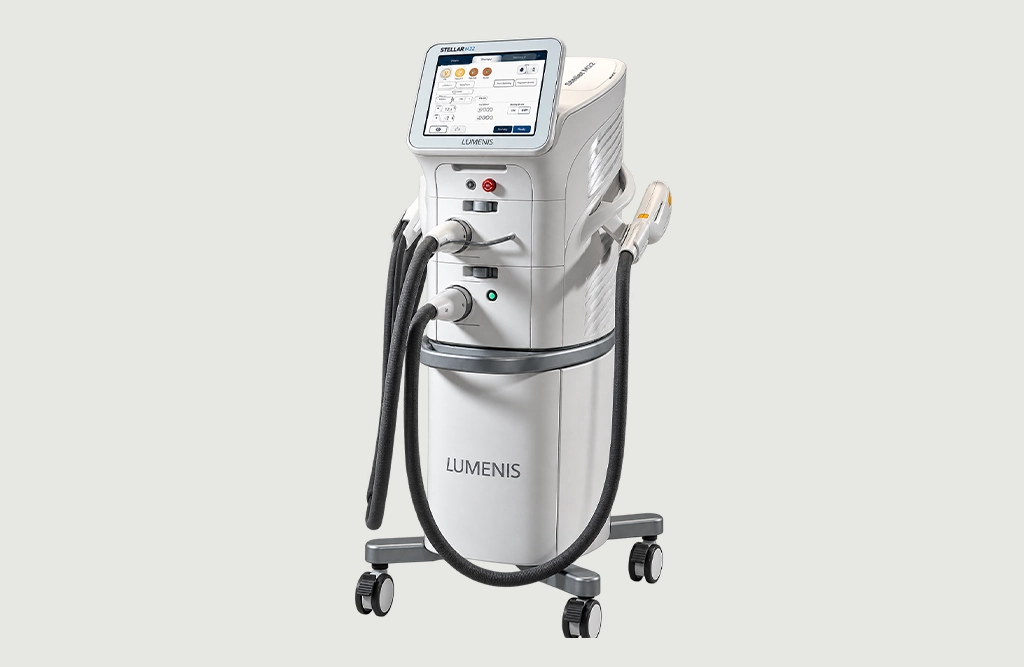
M22 IPL Treatment for Rosacea
Lumenis M22 IPL uses intense pulsed light technology to target selected vascular and pigmentation concerns. For suitable rosacea patients, M22 may help improve the appearance of facial redness and visible vessels. Because IPL is not appropriate for every rosacea presentation or skin type, treatment settings and suitability should be assessed individually.
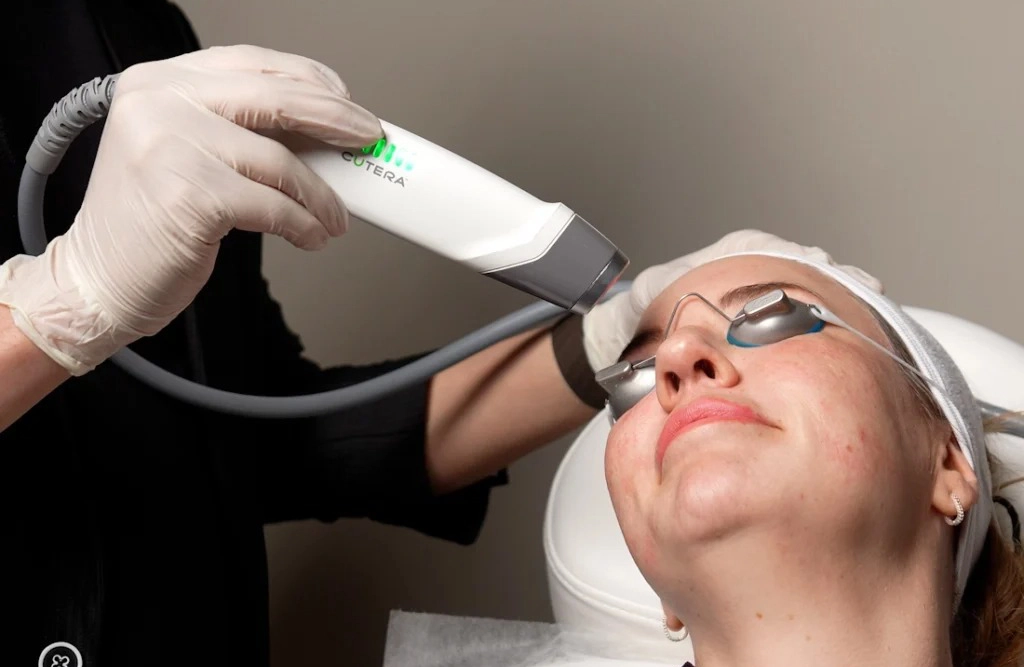
Laser Genesis for Rosacea Management
Laser Genesis is a non-ablative laser technology that delivers controlled heat into the skin. It may be considered for selected patients with diffuse facial redness and sensitivity-related concerns. Treatment can be incorporated into a broader rosacea management plan when appropriate, particularly when the objective is to improve overall skin appearance without aggressive resurfacing.
Supportive Skincare & Lifestyle Modifications
Long-term rosacea skin care is an important part of treatment. A gentle cleanser, barrier-supportive moisturizer, daily broad-spectrum sunscreen and avoidance of known personal triggers can help reduce unnecessary irritation. Patients may also benefit from identifying factors that consistently cause flushing, such as excessive heat, direct sunlight, spicy foods, alcohol, stress or sudden temperature changes.
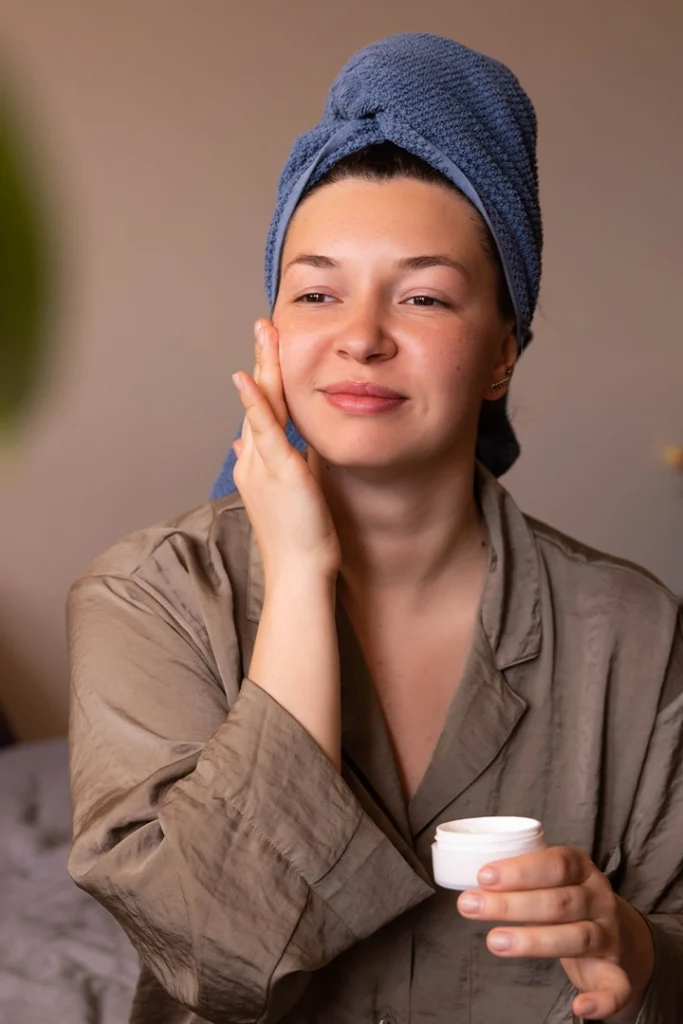
Who Is a Good Candidate for Rosacea Treatment?
Rosacea treatment may be appropriate for men and women experiencing persistent facial redness, recurrent flushing, visible capillaries, inflammatory bumps, burning, sensitivity or other symptoms associated with rosacea. Patients with mild redness and those with more persistent or complex symptoms can both benefit from professional assessment.
You do not need to wait until symptoms become severe. If redness is recurring, becoming more persistent, or affecting your confidence and daily life, a consultation with a dermatologist for rosacea can help identify the condition and determine appropriate treatment options.
Why Choose Dr. Haitham Al-Gzlan for Rosacea in Riyadh?
Dr. Haitham Al-Gzlan approaches rosacea as an individual medical condition rather than treating facial redness with a one-size-fits-all procedure. His approach combines medical dermatology, vascular laser treatment and personalized skin care, with the treatment selected according to the patient’s symptoms, skin type, severity and response to previous care.
For patients seeking a rosacea doctor in Riyadh, the goal is to develop a practical treatment plan that addresses both current symptoms and long-term management. Depending on the presentation, this may involve medical treatment, Excel V+, M22 IPL, Laser Genesis, or a combination of appropriate approaches.
Rosacea Treatment FAQs
A dermatologist can diagnose rosacea, identify contributing triggers, distinguish it from similar skin conditions and create a personalized treatment plan. Depending on the presentation, treatment may include topical or oral medication, skincare, lifestyle modifications, vascular laser treatment or light-based therapy.
The number of laser sessions varies according to the severity of facial redness, visible blood vessels, skin type and selected technology. Some patients may require a series of treatments rather than a single session. A personalized treatment plan provides a more accurate estimate after your skin has been assessed.
There is no single best rosacea treatment for every patient. Medical treatment may be more appropriate for inflammatory bumps, while vascular laser or IPL may be considered when persistent redness or visible vessels are the primary concern. The most effective approach depends on the individual's symptoms and clinical assessment.
The best skin treatment for rosacea depends on what is causing the patient's symptoms. A gentle rosacea cleanser, barrier-supportive skincare and sun protection can support sensitive skin, while medical or device-based treatment may be needed for persistent inflammation, redness or visible capillaries.
Rosacea does not have one established cause. Genetic susceptibility, vascular hyper-reactivity, inflammation and environmental factors may all contribute. Heat, sunlight, stress, spicy foods and other individual triggers can cause symptoms to flare, although triggers vary from person to person.
Ready to Clear Your Redness?
Book Your Rosacea Consultation in Riyadh
Persistent facial redness, flushing and visible capillaries should not be treated with random products or procedures. A professional rosacea diagnosis can help determine whether your symptoms are caused by rosacea and which treatment options may be appropriate for your skin.
Book a rosacea consultation with Dr. Haitham Al-Gzlan in Riyadh to receive an individualized assessment and explore medical, laser and skincare options designed around your symptoms, skin type and treatment goals.