
Medical Dermatology in Riyadh
Medical dermatology focuses on the diagnosis, treatment, and long-term management of conditions that affect the skin, hair, and nails. From acne and acne scars to rosacea, eczema, psoriasis, and other skin conditions, effective care begins with understanding the underlying cause rather than treating symptoms alone.
At Dr. Haitham Al-Gzlan’s dermatology practice in Riyadh, each patient receives an individualized assessment based on their skin condition, medical history, skin type, symptoms, and treatment goals. The approach combines careful clinical evaluation with medically appropriate treatment to support healthier skin and long-term results.
Meet Dr. Haitham Al-Gzlan — Consultant Dermatologist in Riyadh
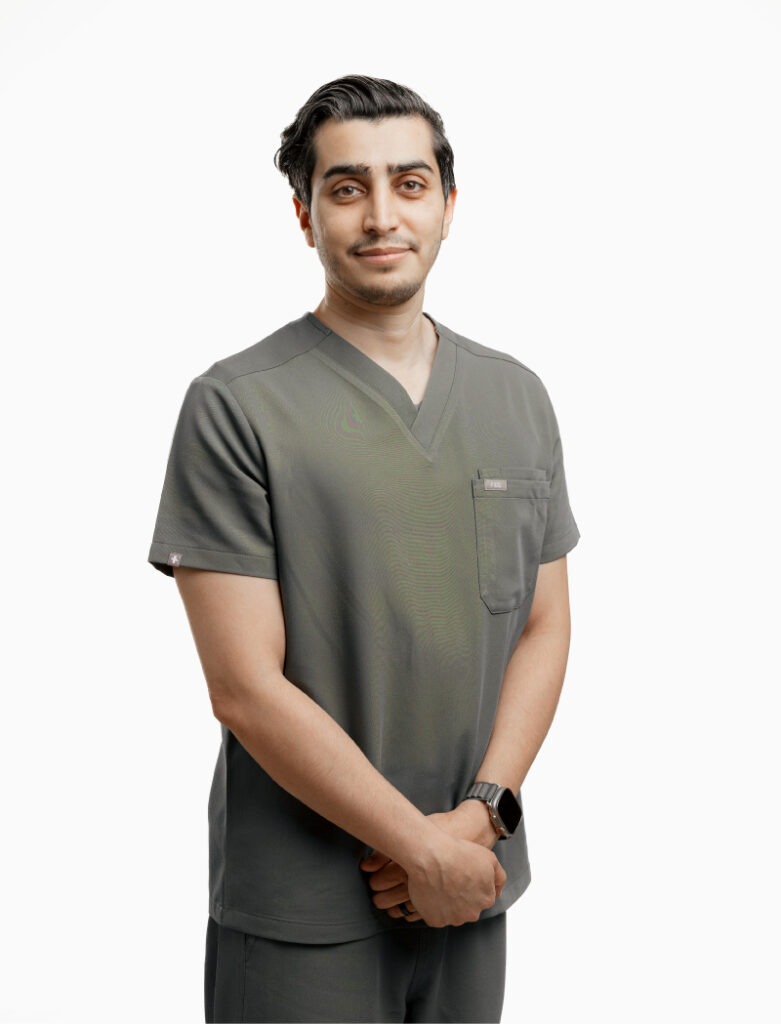
Dr. Haitham Al-Gzlan is a Consultant Dermatologist and Aesthetic Physician in Riyadh, providing personalized care across medical, cosmetic, laser, and hair dermatology. His approach begins with understanding each patient’s concerns and performing a thorough clinical assessment before recommending a treatment plan.
Whether you are experiencing persistent acne, facial redness, eczema flare-ups, psoriasis, acne scarring, or another skin concern, Dr. Haitham focuses on accurate assessment, evidence-based treatment, and appropriate follow-up care.
What Is Medical Dermatology?
Medical dermatology is the branch of dermatology concerned with skin health, skin diseases, inflammatory conditions, infections, and other dermatological disorders. A medical dermatologist evaluates the symptoms and characteristics of a condition, identifies potential contributing factors, and develops a treatment plan suited to the individual patient.
Some skin conditions are short-term, while others can be chronic and require ongoing management. The goal of medical dermatology is not simply to improve the appearance of the skin, but to diagnose and manage the condition appropriately, relieve symptoms where possible, control flare-ups, and protect long-term skin health.
Medical Dermatology Conditions We Treat
Medical dermatology covers a wide range of skin concerns. Dr. Haitham provides personalized assessment and treatment for common and chronic dermatological conditions, including:
Acne
Acne is a common skin condition that can cause breakouts, inflammation, and clogged pores. Dr. Haitham provides personalized acne treatment based on skin type, severity, and individual needs.
Acne Scars
Acne scars can affect skin texture, pigmentation, and appearance after active acne improves. Dr. Haitham evaluates each scar type to recommend an appropriate acne scar treatment approach.
Rosacea
Rosacea can cause facial redness, flushing, sensitivity, and visible blood vessels. Dr. Haitham provides personalized rosacea treatment based on symptoms, triggers, and skin condition.
Eczema
Eczema can cause dry, itchy, sensitive, and inflamed skin. Dr. Haitham develops personalized eczema treatment plans based on the condition, severity, and individual skin needs.
Psoriasis
Psoriasis is a chronic inflammatory skin condition that can cause thickened, scaly, and irritated skin. Dr. Haitham provides personalized psoriasis treatment and long-term management based on each patient’s condition.
Skin Conditions
Dr. Haitham evaluates a wide range of skin conditions, including rashes, pigmentation, infections, itching, and unusual skin changes, with personalized dermatological assessment and treatment.
Dermatology Consultation & Skin Diagnosis
An accurate diagnosis is an essential first step in medical dermatology. During a dermatology consultation, Dr. Haitham considers the patient’s symptoms, medical history, previous treatments, and the physical characteristics of the skin before determining the most appropriate next steps.
Depending on the concern, a dermatological assessment may involve:
- Medical history: Understanding symptoms, duration, triggers, medications, allergies, and previous treatments.
- Clinical skin examination: Evaluating affected areas and identifying patterns, inflammation, lesions, pigmentation, or other changes.
- Dermoscopy: Using magnified skin examination when closer evaluation of a lesion or mole is appropriate.
- Lesion and mole assessment: Evaluating changes in size, shape, color, or other characteristics that may require further investigation.
- Additional diagnostic testing: Where clinically indicated, testing such as laboratory investigations, patch testing, or skin biopsy may be considered.
The type of assessment depends on the individual concern; not every patient requires every diagnostic method.
How Dr. Haitham Approaches Medical Dermatology
Medical dermatology is most effective when treatment follows a clear understanding of the condition. Dr. Haitham follows a patient-centered approach that connects clinical assessment, diagnosis, personalized treatment, and follow-up.
1. Medical Evaluation
The consultation begins by understanding your primary skin concern, symptoms, medical history, previous treatments, and any factors that may influence your skin health.
2. Clinical Assessment
The affected skin is examined carefully to assess the appearance, severity, distribution, and characteristics of the condition.
3. Diagnosis
Where possible, the findings are used to establish a clinical diagnosis. If additional investigation is needed, appropriate diagnostic testing may be recommended.
4. Customized Treatment Plan
Treatment is selected according to the condition, its severity, your skin characteristics, previous treatment response, and individual needs.
5. Medical Treatment
Depending on the diagnosis, treatment may involve topical or other medically appropriate therapies, skincare recommendations, procedures, or a combination of approaches.
6. Monitoring & Follow-Up
Some dermatological conditions require ongoing management. Follow-up allows treatment response to be assessed and the plan adjusted when necessary.
Personalized Medical Dermatology for Your Skin
There is no single treatment that works for every skin condition or every patient. Two people with similar symptoms may have different underlying causes, triggers, skin types, or treatment histories, which is why individualized dermatological care is important.
Dr. Haitham takes these factors into consideration when developing a treatment plan. The objective is to provide medically appropriate care that addresses the patient’s specific condition while supporting overall skin health and, where possible, reducing recurrence and future complications.
Medical Dermatology in Riyadh
Riyadh’s climate can expose the skin to intense sunlight, heat, dryness, dust, and environmental stressors. These factors can influence skin sensitivity, pigmentation, dryness, inflammation, and overall skin health, making appropriate dermatological care particularly important.
Dr. Haitham Al-Gzlan welcomes patients in An Nafal, North Riyadh, for personalized dermatology, cosmetic, laser, aesthetic, and hair restoration care. Patients can discuss their concerns, receive an individual assessment, and explore treatment options tailored to their skin, hair, and aesthetic needs.
Frequently Asked Questions About Medical Dermatology
A medical dermatologist diagnoses and manages conditions affecting the skin, hair, and nails. Common concerns include acne, acne scars, rosacea, eczema, psoriasis, rashes, inflammatory skin conditions, infections, and various skin lesions.
A consultation typically begins with a discussion of your symptoms, medical history, previous treatments, and concerns, followed by a clinical examination of the skin. Depending on the condition, additional diagnostic assessment may be recommended.
There is no single best acne scar treatment for everyone. Treatment depends on the type and depth of the scars, skin type, active acne, pigmentation, and individual goals. A dermatologist can assess the scars and recommend an appropriate treatment strategy.
Rosacea is generally considered a chronic condition, but its symptoms can often be managed. Treatment focuses on controlling inflammation, reducing symptoms, identifying triggers, and maintaining the skin's condition over time.
Both eczema and psoriasis can cause inflamed skin, but they are different dermatological conditions. Their appearance, causes, symptoms, and treatment approaches can differ, which is why professional assessment is important when the diagnosis is uncertain.
Consider seeing a dermatologist if acne is persistent, severe, painful, recurring, leaving scars, or not improving with appropriate skincare. Early medical management can help control acne and reduce the risk of lasting acne scarring.
Not necessarily. Many common skin conditions can be assessed clinically. Additional testing may be recommended when the diagnosis is unclear or when a particular skin lesion or condition requires further investigation.
Book a Medical Dermatology Consultation in Riyadh
Persistent skin problems deserve more than trial-and-error skincare. Whether you are dealing with acne, acne scars, rosacea, eczema, psoriasis, or another skin concern, a professional dermatological assessment can help identify the condition and determine an appropriate treatment approach.
Book a medical dermatology consultation with Dr. Haitham Al-Gzlan in Riyadh to discuss your skin concerns and receive personalized dermatological care based on your individual needs.