
Hyperpigmentation Treatment in Riyadh
Hyperpigmentation causes areas of skin to appear darker than the surrounding skin and can result from sun exposure, hormonal changes, acne, inflammation, skin injury, medications, or other medical conditions. Common examples include melasma, post-inflammatory hyperpigmentation, post-acne pigmentation, freckles, and sun spots.
Hyperpigmentation treatment in Riyadh begins with identifying the type and likely cause of the pigmentation rather than treating every dark spot in the same way. Dr. Haitham Al-Gzlan assesses the pigmentation pattern, skin characteristics, triggers, previous treatments, and risk of post-inflammatory pigmentation before developing an individualized treatment plan.
Depending on the diagnosis, treatment may include dermatologist-guided skincare, sun protection, chemical peels, laser or light-based treatments such as PicoWay or M22 IPL, microneedling, or a combination of approaches.
What Is Hyperpigmentation?
Hyperpigmentation is a general term for areas of skin that become darker because of increased melanin production, altered distribution of melanin, or pigment deposited within the skin.
It may appear as isolated dark spots, patches, or more diffuse uneven skin tone. Hyperpigmentation can affect the face, forehead, cheeks, upper lip, around the mouth, hands, chest, or other areas of the body.
The appearance of pigmentation does not always reveal its cause. Similar-looking dark patches can result from different conditions, which is why diagnosis is an important first step before choosing treatment.
Types of Hyperpigmentation
Melasma
Melasma is a common pigmentation disorder that usually appears as symmetrical brown or grey-brown patches on sun-exposed areas of the face. It often affects the cheeks, forehead, nose, or upper lip.
Hormonal influences, ultraviolet exposure, and visible light can contribute to melasma in susceptible individuals. Melasma can be persistent or recurrent, so treatment usually focuses on long-term management rather than promising permanent removal.
Post-Inflammatory Hyperpigmentation
Post-inflammatory hyperpigmentation (PIH) develops after inflammation or injury to the skin. Acne, eczema, burns, irritation, and certain cosmetic procedures can leave darker areas after the original inflammation has resolved.
PIH can occur in any skin type and may be more persistent in skin with greater natural pigmentation.
Post-Acne Pigmentation
Dark, flat marks left after acne are commonly a form of post-inflammatory hyperpigmentation rather than true acne scars.
Unlike acne scars, post-acne pigmentation does not create a structural depression or raised area in the skin. Managing active acne is also important because new breakouts can continue creating additional pigmentation.
Sun Spots and Solar Lentigines
Solar lentigines are localized areas of pigmentation associated with cumulative ultraviolet exposure. They commonly appear on areas such as the face, hands, chest, and arms.
Because not every pigmented lesion is a sun spot, new or changing lesions should be assessed before cosmetic treatment.
Freckles
Freckles are small areas of increased pigmentation that can become more noticeable with sun exposure. Their appearance is influenced by genetics and light exposure.
Treatment, when desired, depends on the individual’s skin characteristics and the type of pigmentation present.
Other Causes of Skin Pigmentation
Pigmentation can also be associated with medications, inflammatory skin conditions, skin injury, or certain systemic medical conditions.
Pigmentation involving the lips, mouth, nails, or widespread areas of the body may require a different medical assessment from ordinary facial pigmentation.
What Causes Hyperpigmentation?
Hyperpigmentation develops when melanocytes produce or distribute more melanin than usual or when pigment remains in the skin following inflammation or injury.
Common triggers include:
- Ultraviolet and visible-light exposure
- Hormonal changes
- Acne and other inflammatory skin conditions
- Burns, cuts, scratching, or other skin injuries
- Cosmetic procedures or excessive skin irritation
- Certain medications
- Some underlying medical conditions
- Natural changes associated with cumulative sun exposure and aging
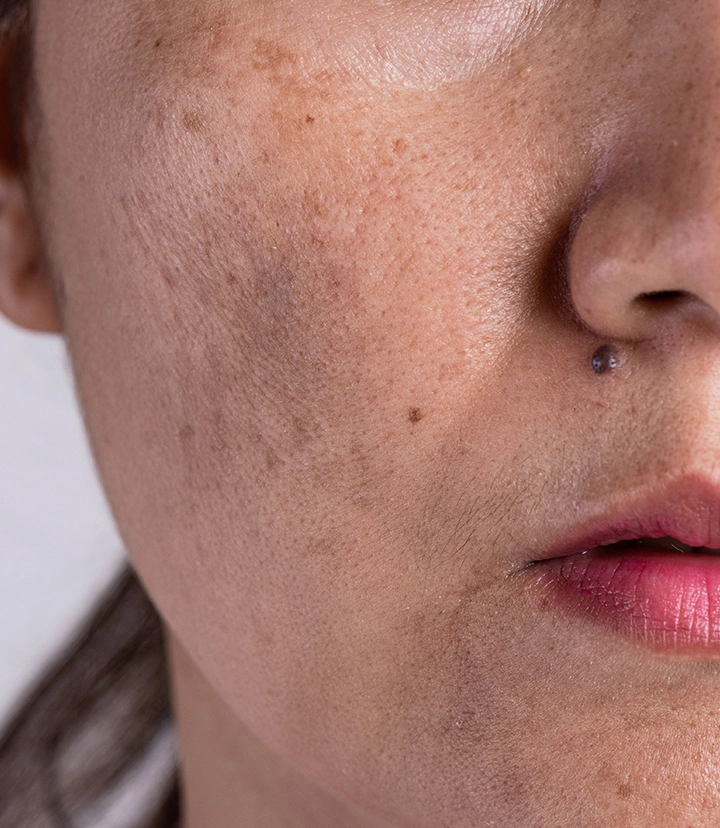
Identifying the underlying cause is important because treating the pigmentation without addressing its trigger can lead to recurrence or limited improvement.
Sun and Visible Light
Ultraviolet radiation can stimulate melanin production and make existing pigmentation more noticeable. Repeated sun exposure may worsen melasma, post-inflammatory hyperpigmentation, freckles, and sun-related spots.
Visible light can also contribute to pigmentation, particularly in melasma. For some patients with melasma, a tinted sunscreen containing iron oxides may provide additional protection against visible light.
Sun protection should therefore be part of most pigmentation treatment plans. Sunscreen should be combined with practical measures such as shade, clothing, and limiting unnecessary direct sun exposure.
Hormonal Changes
Hormonal influences can contribute to conditions such as melasma. Pregnancy and some hormonal medications may trigger or worsen pigmentation in susceptible individuals.
Melasma may become more noticeable when hormonal influences are combined with ultraviolet or visible-light exposure.
Patients should not stop prescribed hormonal medication solely because of pigmentation. Any change to medication should be discussed with the clinician who prescribed it.
Acne and Inflammation
Inflammation from acne can stimulate pigment production and leave dark marks after individual lesions heal.
Other inflammatory conditions, including eczema and dermatitis, can also result in post-inflammatory hyperpigmentation.
Controlling the underlying inflammation is an important part of preventing new pigmentation. Aggressive treatment of existing marks can itself cause irritation and additional pigmentation, so treatment intensity should be selected carefully.
Skin Injury and Procedures
Pigmentation can develop after burns, cuts, scratching, waxing, cosmetic procedures, or other forms of skin injury.
Some procedures can also trigger post-inflammatory hyperpigmentation, particularly when they cause excessive inflammation. This makes appropriate treatment selection and aftercare important for patients who are prone to pigmentation.
Medications and Medical Conditions
Certain medications can cause pigmentation changes, sometimes affecting areas such as the lips, gums, nails, or other parts of the body.
Some medical conditions can also produce more widespread or characteristic patterns of pigmentation. For example, unexplained widespread darkening or pigmentation involving the oral mucosa may require medical investigation rather than cosmetic treatment.
Patients should provide a complete medication and medical history during their consultation.
How Dr. Haitham Diagnoses Hyperpigmentation
Successful pigmentation treatment starts with understanding what is causing the discoloration.
Dr. Haitham Al-Gzlan evaluates factors such as:
- The location and distribution of pigmentation
- Pigment color and appearance
- When the pigmentation began
- Changes over time
- Sun and visible-light exposure
- Hormonal factors
- Acne or previous inflammation
- Current and previous skincare products
- Medications
- Previous laser, peel, IPL, or other procedures
- Skin characteristics and pigmentation risk
Clinical examination helps distinguish conditions such as melasma, post-inflammatory hyperpigmentation, post-acne pigmentation, and sun-related pigmentation.
If a pigmented lesion appears unusual, changes over time, or does not fit a typical cosmetic pigmentation pattern, medical assessment should take priority before cosmetic treatment.
Hyperpigmentation Treatment Options
There is no single treatment that is appropriate for every type of hyperpigmentation.
Treatment selection depends on the diagnosis, pigment depth, location, skin characteristics, previous treatment response, and likelihood of recurrence or post-inflammatory pigmentation.
Dermatologist-Guided Skincare and Sun Protection
Topical treatment can play an important role in managing several forms of hyperpigmentation.
Depending on the diagnosis and individual circumstances, a dermatologist may consider ingredients such as azelaic acid, retinoids, vitamin C, cysteamine, hydroquinone, or other pigment-modulating treatments.
The appropriate product depends on factors such as skin sensitivity, diagnosis, previous treatment, and pregnancy status.
Sun protection remains an essential part of treatment because continued light exposure can stimulate pigmentation and reduce the durability of improvement.
Chemical Peels
Chemical peels use controlled chemical exfoliation to affect selected layers of the skin and may be considered for certain superficial pigmentation concerns.
Different acids and formulations have different properties. The strength and type of peel should be selected according to the patient’s diagnosis, skin characteristics, and risk of post-inflammatory pigmentation.
Overly aggressive peeling can cause irritation and potentially worsen pigmentation, so stronger treatment is not necessarily better.
PicoWay and Pigment-Targeting Laser Treatment
Certain laser technologies can target melanin within selected pigmented areas.
PicoWay uses ultra-short laser pulses and may be considered for specific pigmentation concerns following assessment. Laser parameters need to be selected carefully according to the pigmentation and skin characteristics.
There is no universal “best laser” for hyperpigmentation. The appropriate wavelength, energy, pulse characteristics, and treatment strategy depend on the diagnosis and individual skin.
M22 IPL
Intense pulsed light (IPL) uses filtered broad-spectrum light and may be considered for selected superficial pigmentation and photodamage.
M22 IPL can be an option for appropriate pigmentation patterns, but it is not suitable for every pigmentation disorder. Particular care is needed when treating patients with darker or recently tanned skin because epidermal melanin can also absorb light energy.
Melasma also requires careful consideration because light-based procedures can sometimes aggravate or reactivate pigmentation.
Microneedling
Microneedling creates controlled micro-injuries in the skin and may be considered for selected pigmentation and texture concerns.
It does not work by selectively removing melanin in the same way as a pigment-targeting laser. Because microneedling produces a controlled inflammatory response, treatment intensity should be carefully selected in patients who are prone to post-inflammatory hyperpigmentation.
Fractional Laser Treatments
Fractional laser treatments create controlled treatment zones within the skin and may be considered when pigmentation occurs alongside textural concerns.
Different fractional technologies work in different ways and have different recovery profiles. The treatment should be selected according to the patient’s diagnosis, skin characteristics, and overall treatment goals.
Combination Treatment
Some patients have more than one pigmentation concern at the same time, such as melasma with post-acne pigmentation or pigmentation combined with uneven texture.
A combination or staged approach may sometimes be considered. Treatment may involve skincare followed by a procedure, or different procedures performed at appropriate intervals.
Combination treatment should be individualized rather than automatically used for every patient.
Hyperpigmentation Treatment for Different Skin Types
Skin characteristics are an important consideration when planning pigmentation treatment.
Patients with more naturally pigmented skin may have a greater risk of developing post-inflammatory hyperpigmentation after certain procedures. This does not mean that treatment is unsuitable, but it may influence the choice of procedure, treatment intensity, preparation, and aftercare.
Dr. Haitham considers:
- Natural skin pigmentation
- Previous history of PIH
- Melasma history
- Recent sun exposure or tanning
- Skin sensitivity
- Previous response to procedures
- Current inflammation or acne
Careful treatment planning is particularly important when the goal is to improve pigmentation without creating additional inflammation.
Treating Melasma
Melasma is different from an isolated sun spot because it is often recurrent and influenced by multiple factors.
Management commonly focuses on:
- Consistent photoprotection
- Reducing known triggers where possible
- Dermatologist-guided topical treatment
- Careful consideration of procedures
- Long-term maintenance
Chemical peels, microneedling, IPL, or laser-based treatments may be considered for selected patients, but procedural treatment needs to be approached carefully because irritation can worsen pigmentation.
The goal is long-term control and improvement rather than promising that melasma will never return.
Treating Post-Acne Hyperpigmentation
Post-acne pigmentation is different from structural acne scarring.
Flat brown or darker marks following acne are generally pigmentation, while icepick, boxcar, and rolling scars involve structural changes in the skin.
Treatment of post-acne pigmentation may involve skincare, sun protection, chemical peels, selected laser or light-based treatments, or other approaches depending on the skin and pigmentation pattern.
Controlling active acne is also important to prevent new inflammatory marks from developing.
When Should Hyperpigmentation Be Medically Assessed?
Not every dark spot should be treated as ordinary cosmetic pigmentation.
A pigmented lesion should be medically assessed when it is:
- New and unexplained
- Changing in size, shape, or color
- Irregular in appearance
- Bleeding or repeatedly crusting
- Associated with other concerning changes
- Different from surrounding lesions
- Located in an unusual area or associated with widespread pigmentation
Cosmetic laser, IPL, or peeling should not be performed on a suspicious lesion before an appropriate medical assessment.
Who May Be Suitable for Hyperpigmentation Treatment?
Treatment may be considered for patients with diagnosed melasma, post-inflammatory hyperpigmentation, post-acne pigmentation, selected sun spots, freckles, or uneven skin tone.
Suitability depends on:
- The cause and type of pigmentation
- Skin characteristics
- Pigment depth
- Current skin condition
- Previous treatment
- Medication use
- Pregnancy or breastfeeding status
- Expectations and willingness to follow aftercare
Active acne, eczema, dermatitis, infection, or significant irritation may need to be addressed before certain pigmentation procedures.
When Should Treatment Be Postponed?
Certain situations may require treatment to be delayed or modified.
These can include:
- Active skin infection
- Open wounds
- Significant dermatitis or inflammation
- Recent sunburn or tanning
- Certain medications
- Pregnancy or breastfeeding for treatments or medications that are not appropriate during these periods
- Previous significant reactions to cosmetic procedures
The appropriate decision depends on the treatment being considered and the patient’s individual circumstances.
Hyperpigmentation Treatment Procedure
Consultation
The consultation begins with a detailed assessment of the pigmentation and the surrounding skin.
Diagnosis and Assessment
The pigmentation pattern, likely cause, skin characteristics, and risk factors are evaluated before selecting treatment.
Treatment Planning
Dr. Haitham develops a treatment plan based on the diagnosis rather than using the same procedure for every dark spot.
Preparation
Preparation varies according to the selected treatment. Patients may receive instructions about skincare, sun exposure, active ingredients, and other factors before a procedure.
Treatment
The treatment performed depends on the diagnosis. It may involve topical therapy, a chemical peel, laser or IPL, microneedling, or a combination approach.
Aftercare
Aftercare depends on the procedure. It may include gentle skincare, sun protection, temporary avoidance of certain active ingredients, and other individualized instructions.
Follow-Up
Follow-up allows the response to treatment to be assessed and helps determine whether further treatment or maintenance is appropriate.
Recovery and Aftercare
Recovery depends on the treatment performed.
Some patients may experience temporary redness, warmth, sensitivity, swelling, dryness, peeling, or temporary darkening of treated areas.
Aftercare may include:
- Using the recommended skincare
- Protecting the skin from excessive sun exposure
- Applying sunscreen consistently
- Avoiding unnecessary irritation
- Following instructions regarding active skincare products
- Allowing the skin to recover before additional procedures
Patients should follow the specific aftercare instructions provided for their treatment.
Hyperpigmentation Treatment Results
Results vary according to the type and cause of pigmentation.
Some superficial pigmentation may improve over several weeks, while conditions such as melasma or deeper post-inflammatory pigmentation may require longer-term management.
The outcome can depend on:
- Pigment depth
- Diagnosis
- Skin characteristics
- Treatment method
- Number of sessions
- Individual response
- Sun exposure
- Control of underlying triggers
- Consistency with prescribed aftercare
Improvement does not necessarily mean that pigmentation will never return. Long-term management may be necessary for recurrent conditions.
Can Hyperpigmentation Be Permanently Removed?
Hyperpigmentation cannot be guaranteed to disappear permanently.
Some isolated pigmentation may respond well to treatment, while conditions such as melasma can recur because of ongoing hormonal, light, inflammatory, or other triggers.
The goal of treatment is to reduce the visibility of pigmentation, improve skin tone, address contributing factors, and help prevent or manage recurrence.
Dr. Haitham Al-Gzlan's Approach to Hyperpigmentation Treatment
Dr. Haitham Al-Gzlan approaches pigmentation treatment through diagnosis and individualized treatment planning.
Rather than selecting a procedure based only on the appearance of a dark spot, he considers the pigmentation pattern, likely cause, skin characteristics, previous treatments, inflammation, sun exposure, and risk of post-inflammatory hyperpigmentation.
Depending on the diagnosis, treatment may include medical skincare, chemical peels, PicoWay, M22 IPL, microneedling, fractional treatment, or a combination of approaches.
The objective is to choose an appropriate treatment strategy for the specific pigmentation concern while maintaining realistic expectations about improvement and recurrence.
Hyperpigmentation Treatment in Riyadh
For patients seeking hyperpigmentation treatment in Riyadh, Dr. Haitham Al-Gzlan provides individualized assessment of pigmentation concerns including melasma, post-acne pigmentation, post-inflammatory hyperpigmentation, sun-related pigmentation, and uneven skin tone.
Treatment is selected according to the diagnosis, skin characteristics, pigment pattern, and previous treatment response. Options may include dermatologist-guided skincare, chemical peels, PicoWay, M22 IPL, microneedling, fractional treatments, or combination approaches when appropriate.
Because pigmentation can recur, treatment planning also considers sun protection, inflammation control, and long-term maintenance.
Frequently Asked Questions
There is no single treatment that is best for every type of hyperpigmentation. The appropriate approach depends on the cause, pigment depth, skin characteristics, and individual risk factors.
Yes. Pigmentation can recur when triggers such as sun exposure, hormones, acne, inflammation, or other factors continue. Melasma is particularly prone to recurrence.
The number of sessions varies according to the diagnosis, treatment method, pigment depth, skin characteristics, and individual response. Some concerns may require a series of treatments, while others may improve with skincare and trigger control.
The timing varies. Some superficial pigmentation may begin improving within several weeks, while chronic or deeper pigmentation may require months of treatment and maintenance.
Yes. Excessive irritation or inappropriate treatment settings can cause inflammation and potentially lead to additional pigmentation. This is why treatment intensity and procedure selection need to be individualized.
Selected laser treatments can be used in darker skin, but careful treatment selection and settings are important. The natural melanin in darker skin can absorb laser energy, increasing the risk of unwanted pigment changes when treatment is not appropriately planned.
Melasma is a chronic pigmentation disorder often influenced by hormones and light exposure. Post-inflammatory hyperpigmentation develops after inflammation or injury, such as acne, eczema, or a skin procedure.
Acne marks are usually flat areas of pigmentation or redness left after acne. Acne scars involve structural changes such as depressions or raised scar tissue.
Some pigmentation treatments and medications are not appropriate during pregnancy. Pregnancy-related pigmentation may also change naturally after delivery. Treatment should be discussed with a dermatologist and the clinician managing the pregnancy.
Selected sun-related spots may be treated with laser or IPL after assessment. However, any unusual or changing pigmented lesion should be medically evaluated before cosmetic treatment.
Consistent sun protection, controlling acne and inflammation, avoiding unnecessary skin irritation, and following an appropriate maintenance skincare plan can help reduce recurrence.
Permanent removal cannot be guaranteed. Some pigmentation can respond very well to treatment, while recurrent conditions such as melasma may require ongoing management.
Comfort varies according to the treatment. Chemical peels, IPL, lasers, and microneedling can cause sensations such as warmth, stinging, snapping, or temporary sensitivity.
Recovery depends on the procedure. Some treatments have minimal downtime, while peels, microneedling, and fractional procedures can cause redness, peeling, or sensitivity for several days or longer.
Some treatments can be combined or performed in stages when clinically appropriate. The timing and combination should be planned carefully to avoid excessive inflammation.
The cost depends on the diagnosis, treatment selected, area treated, and number of sessions required. An individualized consultation is needed to determine the appropriate treatment plan and expected cost.
Book a Hyperpigmentation Consultation in Riyadh
If you are concerned about melasma, post-acne pigmentation, dark spots, sun-related pigmentation, or uneven skin tone, a dermatologist-led assessment can help identify the likely cause and appropriate treatment options.
Dr. Haitham Al-Gzlan can assess your pigmentation, skin characteristics, previous treatments, and individual risk factors before developing a personalized treatment plan.
Book a hyperpigmentation consultation in Riyadh to discuss your pigmentation concerns and treatment options.