
Laser Genesis Treatment in Riyadh
Laser Genesis treatment in Riyadh is a non-ablative laser approach to skin revitalization that may be considered for concerns such as facial redness, uneven skin tone, fine lines, enlarged pores, and changes in skin texture. Dr. Haitham Al-Gzlan assesses the skin, the specific concern being treated, and the patient’s goals before determining whether Laser Genesis is an appropriate option.
Unlike more aggressive resurfacing procedures that remove portions of the skin’s surface, Laser Genesis uses controlled laser energy to heat the dermal tissue without intentionally ablating the skin. This allows it to be considered when the goal is gradual skin improvement with a generally limited recovery period.
What Is Laser Genesis?
Laser Genesis is a non-ablative laser treatment that uses a 1064 nm Nd:YAG wavelength. The technology delivers controlled laser energy into the skin, producing gentle dermal heating that can support collagen remodeling and improve the appearance of skin quality over time.
Laser Genesis may be considered for several aesthetic skin concerns, including redness, uneven tone, fine lines, wrinkles, enlarged pores, and selected scars. Its role depends on the patient’s skin condition and the treatment objective rather than simply treating every concern with the same laser approach.
For patients considering skin rejuvenation, Laser Genesis is one option within a broader range of treatments. The most appropriate procedure depends on what is causing the visible concern and how much resurfacing or remodeling is required.
How Does Laser Genesis Work?
Laser Genesis uses a 1064 nm Nd:YAG laser to deliver controlled thermal energy into the skin. The resulting dermal heating is intended to support the skin’s natural remodeling processes, including collagen-related changes.
This approach differs from ablative resurfacing. Rather than deliberately removing the outer layers of skin, Laser Genesis works through controlled heating of the underlying tissue.
The treatment may therefore be considered when the goal is to gradually improve the appearance of:
- Skin texture
- Uneven skin tone
- Fine lines
- Mild wrinkles
- Enlarged pores
- Diffuse redness
- Selected scars
Collagen remodeling occurs progressively, so changes are not necessarily limited to the immediate appearance of the skin after a session.
What Skin Concerns Can Laser Genesis Help Address?
Laser Genesis can be considered for a range of skin concerns, although the expected response varies according to the condition being treated, skin characteristics, treatment parameters, and individual response.
Facial Redness
Laser Genesis may be considered for selected cases of diffuse facial redness. A dermatologist can assess whether the redness is appropriate for this type of laser treatment or whether another vascular or inflammatory approach would be more suitable.
Uneven Skin Tone
Uneven-looking skin tone can have several causes. Laser Genesis may be incorporated into a treatment plan when the goal is to improve overall skin tone and complexion rather than aggressively resurface the skin.
Fine Lines and Mild Wrinkles
Controlled dermal heating and collagen remodeling may support gradual improvement in the appearance of fine lines and selected signs of skin aging.
Skin Texture
Laser Genesis may be considered when the skin appears uneven, dull, or less smooth than desired. Treatment focuses on gradual skin revitalization rather than aggressive surface removal.
Enlarged Pores
Pore appearance can be influenced by factors including skin structure, oil production, and collagen support. Laser Genesis may be considered as part of an individualized approach when enlarged pores are one of the patient’s concerns.
Selected Scars
Laser Genesis may have a role in improving the appearance of certain scars, particularly when vascular or textural changes are part of the concern. However, different types of acne scars and other scars can require different treatment approaches.
Who May Be a Candidate for Laser Genesis?
Laser Genesis may be considered for patients seeking a non-ablative approach to selected skin concerns, but suitability should be determined individually.
During an assessment, Dr. Haitham Al-Gzlan may consider factors such as:
- The type and severity of the skin concern
- Skin type and overall skin condition
- Presence of redness, pigmentation, or scarring
- Previous skin treatments
- Current medications or relevant medical history
- Treatment goals
- Whether another treatment may provide a more appropriate approach
A consultation is particularly important when redness, pigmentation, acne, scarring, or another underlying skin condition is involved. Treating the visible appearance without understanding the underlying cause may not always address the patient’s actual concern.
What Happens During a Laser Genesis Treatment?
A Laser Genesis session generally follows several stages.
1. Skin Assessment
The skin is assessed to understand the concern being treated and determine whether Laser Genesis is appropriate.
2. Treatment Preparation
The treatment area is prepared according to the clinical protocol. Appropriate eye protection is used during laser treatment.
3. Laser Genesis Treatment
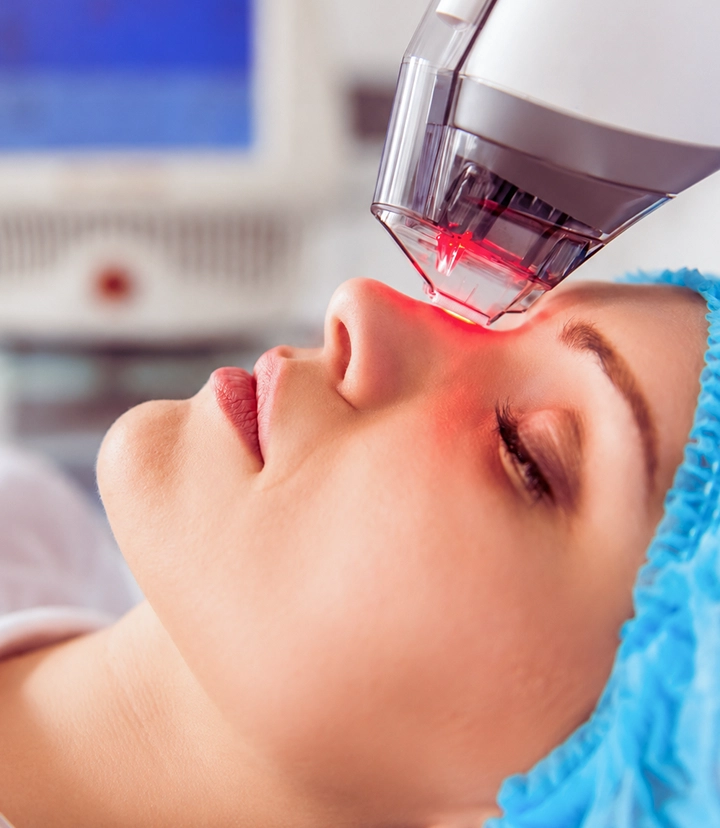
The Laser Genesis handpiece is passed over the selected treatment area while controlled laser energy is delivered to the skin. Patients may experience a warming sensation during treatment. Individual comfort can vary.
4. Post-Treatment Care
After treatment, the skin is assessed and appropriate aftercare guidance is provided. Sun protection and following the recommended post-treatment instructions are important parts of skin care after laser treatment.
What Does Laser Genesis Feel Like?
Laser Genesis is generally described as a relatively gentle treatment. Patients may feel warmth or a mild snapping, heating, or stinging sensation as the laser is delivered.
The experience can vary depending on the treatment area, treatment parameters, individual sensitivity, and the patient’s skin.
Laser treatment should not be assumed to be completely sensation-free. If significant discomfort occurs, the treatment should be assessed by the treating professional.
Does Laser Genesis Have Downtime?
Laser Genesis is generally associated with little to no downtime because it is a non-ablative treatment. However, the skin can temporarily appear red or feel warm after treatment, and individual reactions can vary.
More significant reactions are possible with laser treatments, particularly when treatment parameters are not appropriate or when individual risk factors are present. For this reason, treatment settings should be selected according to the patient’s skin and clinical situation.
Sun exposure can also increase the risk of certain laser-related complications, so appropriate sun protection is an important part of aftercare.
How Many Laser Genesis Sessions Are Needed?
There is no single number of Laser Genesis sessions that is appropriate for every patient.
The recommended treatment plan can depend on:
- The concern being treated
- Its severity
- Skin characteristics
- Treatment goals
- Response to previous sessions
- Whether Laser Genesis is being combined with another treatment
A dermatologist can determine whether a series of treatments or periodic maintenance is appropriate after assessing the patient’s skin.
Rather than focusing on a fixed number of sessions, treatment planning should focus on the patient’s specific clinical and aesthetic goals.
When Can You See Results From Laser Genesis?
Some patients may notice changes in the appearance of their skin following treatment, but collagen-related remodeling develops progressively.
The timing and degree of visible improvement vary between individuals and depend on the concern being treated and the treatment plan.
Laser Genesis should therefore be viewed as a gradual skin-revitalization approach rather than a treatment where one identical result or timeline can be expected for every patient.
Laser Genesis vs. Other Skin Rejuvenation Treatments
Laser Genesis is one of several treatment options available for skin rejuvenation. Different procedures work through different mechanisms and may be selected for different concerns.
| Treatment | General approach | Common considerations |
|---|---|---|
| Laser Genesis | Non-ablative 1064 nm Nd:YAG laser | Redness, tone, texture, fine lines, pores, selected scars |
| Microneedling | Controlled micro-injuries to stimulate a healing response | Texture, pores, selected acne scars and signs of aging |
| RF Microneedling | Microneedling combined with radiofrequency energy | Texture, scarring, and selected skin-laxity concerns |
| Chemical Peels | Controlled chemical exfoliation | Selected pigmentation, tone, and surface-texture concerns |
| PRP Skin Rejuvenation | Uses a preparation derived from the patient's own blood | May be used as an adjunct in selected rejuvenation plans |
There is no single treatment that is appropriate for every skin concern. The choice depends on the patient’s skin, the underlying problem, treatment goals, and the expected balance between results and recovery.
Laser Genesis vs. Other Laser Treatments
The term “laser treatment” describes a broad group of technologies rather than one procedure.
Different lasers and light-based treatments can be designed to target different concerns, including:
- Vascular redness
- Pigmentation
- Skin resurfacing
- Acne scars
- Hair removal
- Skin texture
- Signs of photoaging
Laser Genesis is a non-ablative approach based on 1064 nm Nd:YAG technology. Fractional resurfacing lasers, for example, work differently and may create a more significant controlled injury to the skin to achieve resurfacing and remodeling.
This distinction matters when choosing treatment. A dermatologist should determine whether the concern is better addressed with Laser Genesis, another laser technology, or a non-laser treatment.
Is Laser Genesis Suitable for All Skin Types?
Laser Genesis technology is designed for use across a broad range of skin types and tones. However, being technically suitable for a range of skin types does not mean that every patient or every skin concern should automatically receive the same treatment.
Skin assessment remains important because treatment parameters, the concern being treated, current skin condition, and individual risk factors all influence treatment planning.
A personalized assessment can also determine whether another laser or treatment approach would be more appropriate.
Possible Side Effects and Considerations
Laser treatments can have side effects, even when the procedure is non-ablative.
Temporary redness, swelling, warmth, irritation, or changes in skin sensation can occur. More significant laser-related complications can include pigmentary changes, burns, blistering, crusting, scarring, or prolonged healing, although these are not expected in every patient.
The risk profile depends on factors including the laser technology, treatment parameters, skin characteristics, sun exposure, medications, and individual medical history.
Laser Genesis should therefore be performed using appropriate treatment parameters and with consideration of the patient’s individual circumstances.
Patients should also inform the treating professional about relevant medications, previous procedures, skin conditions, a history of unusual scarring, and other factors that could affect laser treatment.
Why Choose Dr. Haitham Al-Gzlan for Laser Genesis in Riyadh?
Choosing a laser treatment should begin with understanding the skin concern rather than simply selecting a device.
Dr. Haitham Al-Gzlan approaches Laser Genesis within the broader context of dermatology and skin rejuvenation. The assessment focuses on the patient’s skin, the concern being addressed, and whether Laser Genesis is an appropriate treatment option.
In some cases, another laser, skin treatment, or combination approach may be more suitable. A physician-led assessment helps ensure that treatment selection is based on the patient’s individual needs rather than using the same procedure for every skin concern.
Laser Genesis Treatment in Riyadh With Dr. Haitham Al-Gzlan
If you are considering Laser Genesis in Riyadh for redness, uneven skin tone, fine lines, enlarged pores, skin texture, or selected scars, a consultation can help determine whether this treatment is appropriate for your skin.
Dr. Haitham Al-Gzlan can assess the concern, discuss available treatment options, and develop an approach based on your skin characteristics and treatment goals.
Frequently Asked Questions About Laser Genesis
Laser Genesis is a non-ablative laser treatment that uses 1064 nm Nd:YAG technology and controlled dermal heating to support skin revitalization and collagen remodeling.
Laser Genesis may be considered for concerns including diffuse redness, uneven skin tone, fine lines, wrinkles, skin texture, enlarged pores, and selected scars. Suitability depends on the individual concern and skin assessment.
Most patients describe Laser Genesis as a relatively comfortable treatment with a sensation of warmth during the procedure. Individual sensitivity varies, and some discomfort can occur.
Laser Genesis is generally associated with little to no downtime. Temporary redness or warmth can occur, and individual recovery may vary.
The number of sessions varies according to the skin concern, treatment goals, skin characteristics, and response to treatment. A personalized treatment plan is preferable to using one fixed number of sessions for everyone.
Some changes may be visible after treatment, while collagen-related remodeling develops gradually. The timing and degree of improvement vary between patients.
Laser Genesis may be considered for selected cases of diffuse facial redness and some redness-related concerns. The cause and type of redness should be assessed before choosing treatment.
Laser Genesis may be considered when enlarged pores are part of the patient's overall skin-texture concern. The most appropriate approach depends on why the pores appear enlarged and the patient's skin characteristics.
Laser Genesis can be used across a broad range of skin types and tones, but suitability is individual. A dermatologist should assess the skin concern, treatment goals, and relevant risk factors before treatment.
Laser Genesis uses non-ablative 1064 nm Nd:YAG laser energy, while treatments such as microneedling, RF microneedling, chemical peels, and fractional resurfacing work through different mechanisms. The appropriate option depends on the patient's specific concern and goals.
Book a Laser Genesis Consultation in Riyadh
If you are considering Laser Genesis treatment in Riyadh, speak with Dr. Haitham Al-Gzlan about your skin concerns and treatment goals.
A personalized assessment can help determine whether Laser Genesis is appropriate for you or whether another treatment may provide a more suitable approach.