
Psoriasis Treatment in Riyadh
Personalized psoriasis care focused on controlling inflammation, reducing plaques and scaling, relieving symptoms, and supporting long-term disease management.
Psoriasis is a chronic inflammatory skin disease that can cause thickened, raised plaques, silvery-white scales, itching, dryness, cracking, and periods of flare-ups and remission. Psoriasis treatment in Riyadh begins with understanding the type, severity, distribution and impact of the condition. Dr. Haitham Al-Gzlan provides personalized medical dermatology care for psoriasis, with treatment options selected according to the patient’s skin, symptoms, medical history and long-term management needs.
What Is Psoriasis? Understanding the Chronic Skin Condition
Psoriasis is an autoimmune skin condition in which an overactive immune response accelerates the normal turnover of skin cells. This can lead to the accumulation of cells on the skin surface, producing characteristic thickened plaques and silvery scales. Plaque psoriasis, also known as psoriasis vulgaris, is the most common form, but psoriasis can also affect the scalp, nails, palms and soles, skin folds, and other areas of the body.
Psoriasis is not simply a surface-level skin problem. The condition involves a complex inflammatory process involving immune cells and pro-inflammatory cytokines. Because psoriasis can vary significantly from one patient to another, effective psoriasis management requires an individualized assessment rather than a single treatment approach.
Psoriasis Symptoms: Do You Have These Signs?
Recognizing psoriasis symptoms can help you seek appropriate dermatological assessment. Symptoms can vary according to the type of psoriasis, location and severity, and some patients experience periods of improvement followed by flare-ups.
Red, Raised Patches with Silvery Scales (Plaques)
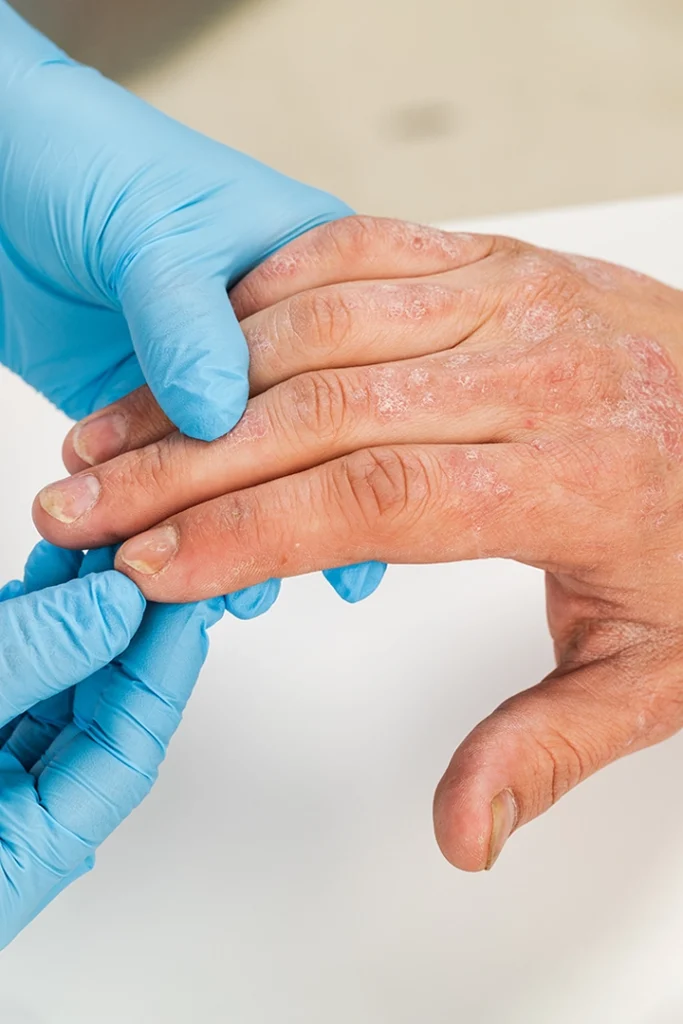
The classic appearance of psoriasis includes well-defined, red or erythematous, raised plaques covered with silvery-white scales. These thickened plaques commonly appear on areas such as the elbows, knees and trunk, although psoriasis can occur almost anywhere on the body. In some cases, a dermatologist may observe clinical features such as the Auspitz sign, in which pinpoint bleeding can occur after scales are removed.
Itching, Burning, or Soreness
Psoriasis can cause itching, burning, tenderness or soreness around affected areas. Symptoms may range from mild irritation to significant discomfort, particularly during an active flare-up. Psoriasis skin can also become increasingly sensitive when inflammation and scaling persist.
Dry, Cracked Skin That May Bleed
Severe dryness and heavy skin scaling can cause psoriasis plaques to crack, particularly when the skin becomes thick or exposed to friction. Cracks can become painful and may bleed. Appropriate moisturization and medical treatment can help support the skin barrier and manage dryness alongside the underlying inflammation.
Thickened or Pitted Nails
Psoriasis can affect the fingernails and toenails, causing changes such as nail pitting, thickening, separation from the nail bed or altered nail color. Psoriatic nail dystrophy may occur with or without extensive skin involvement, so persistent nail changes should be assessed by a dermatologist.
Swollen, Stiff Joints (Psoriatic Arthritis)
Psoriasis can be associated with psoriatic arthritis, an inflammatory condition that affects the joints and surrounding structures. Joint stiffness, swelling, pain or reduced movement can require medical assessment. Patients with psoriasis who develop persistent joint symptoms should discuss them with their dermatologist so appropriate evaluation and referral can be considered.
Flare-Ups Triggered by Stress, Climate, or Illness
Psoriasis can follow a fluctuating course, with periods of relative control followed by flare-ups. Stress, illness, skin injury, certain medications and environmental conditions may contribute to worsening symptoms in some individuals. Identifying personal triggers is an important part of long-term psoriasis management.
Psoriasis Causes & Triggers: Riyadh-Specific Insights
Psoriasis develops through a combination of genetic susceptibility and immune-system dysfunction. Environmental and lifestyle factors can influence when symptoms appear or become worse, although triggers differ from person to person. Understanding these factors can help patients manage their condition alongside appropriate medical treatment.
Genetic & Immune System Factors
Genetics can increase a person's susceptibility to psoriasis, while immune-system activity drives the chronic inflammation associated with the condition. An altered systemic inflammatory cascade can activate pro-inflammatory cytokines and accelerate epidermal turnover, leading to the characteristic plaques and scales of psoriasis.
Environmental Triggers in Riyadh
Riyadh's hot, dry climate can create additional challenges for patients with psoriasis. Low humidity, prolonged exposure to air conditioning and dry indoor environments can increase skin dryness and discomfort. Dust and sand exposure may also irritate sensitive skin, while friction from clothing can aggravate areas affected by plaques in some patients. These factors do not cause psoriasis by themselves, but they may contribute to symptom worsening in susceptible individuals.
Lifestyle & Medical Triggers
Stress, illness, skin injuries, smoking, alcohol consumption and certain medications can contribute to psoriasis flare-ups in some people. Scratching or repeated trauma to the skin may also trigger new lesions through the Koebner phenomenon, where psoriasis lesions develop at sites of skin injury. Identifying individual triggers can therefore become an important part of a personalized psoriasis management plan.
Psoriasis Diagnosis: How Dr. Haitham Al-Gzlan Assesses Your Condition
An accurate diagnosis helps distinguish psoriasis from other conditions that can produce redness, scaling or inflammation. Dr. Haitham Al-Gzlan begins with a detailed medical history and clinical examination, considering the appearance and distribution of plaques, symptom history, previous treatments and any associated nail or joint symptoms.
The assessment also helps determine the type and extent of psoriasis and whether the condition may be mild, moderate or severe. Where appropriate, clinical severity can be documented using tools such as the Psoriasis Area and Severity Index (PASI).
Clinical Skin Examination
A dermatologist examines the affected areas for plaque characteristics, scales, redness, thickness, distribution and other clinical signs. The examination may also include the scalp, nails, palms, soles and other areas depending on your symptoms.
Skin Biopsy
Psoriasis can often be diagnosed clinically, but a skin biopsy may be considered when the diagnosis is uncertain or another skin condition needs to be ruled out. A small sample of skin is examined to help distinguish psoriasis from conditions with similar clinical features.
Psoriatic Arthritis Screening
If you report joint pain, swelling, stiffness or reduced movement, Dr. Haitham may assess for possible psoriatic arthritis and determine whether additional medical evaluation is appropriate. Early recognition of joint involvement can be important for comprehensive psoriasis care.
Ruling Out Other Skin Conditions
Several dermatological conditions can resemble psoriasis, including certain forms of dermatitis, eczema and fungal infections. A careful clinical assessment helps differentiate psoriasis dermatitis, psoriasis rash and other inflammatory or infectious skin conditions before treatment is selected.
Psoriasis Treatment Options at Our Clinic
There is no single solution for psoriasis that works for every patient. Treatment depends on the type and severity of psoriasis, affected body areas, previous treatment response, overall health and whether joint involvement is present. The goal of treatment is to reduce inflammation and scaling, control symptoms, improve the skin and maintain disease control over time.
Treatment options may include topical therapies, phototherapy, systemic medication and targeted biologic therapy when medically appropriate.
Advanced Biologic Therapy: Injections & IV Infusions
For selected patients with moderate-to-severe or treatment-resistant psoriasis, biologic therapy can target specific pathways involved in the immune response. Depending on the patient’s medical assessment and eligibility, targeted therapies may include biologics that act on inflammatory pathways such as TNF-α, IL-17 or IL-23.
Examples of biologic medicines used in psoriasis care include therapies such as Skyrizi, Cosentyx, Tremfya and Humira. The appropriate medication depends on individual medical factors, previous treatments, disease characteristics and current clinical guidelines. Biologic treatment requires medical screening and ongoing monitoring rather than being selected solely on the basis of convenience or severity.
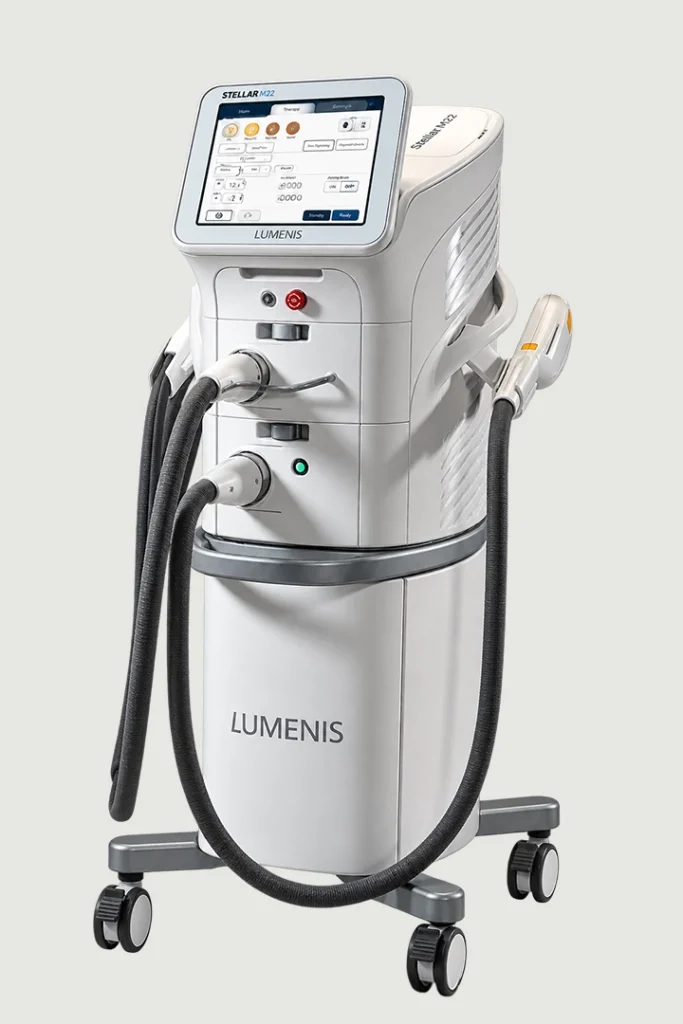
M22 IPL for Psoriasis Management
M22 IPL (Intense Pulsed Light) is a device-based technology that uses broad-spectrum light. Its role in psoriasis should be determined carefully because IPL is not a standard first-line treatment for generalized psoriasis. Where a device-based approach is considered, the treatment should be selected according to the specific skin concern and clinical assessment.
For established psoriasis phototherapy, evidence-based options may include narrowband UVB light therapy or excimer laser, particularly when targeted treatment is appropriate.
Topical Treatment & Medical Skincare
Topical treatment can play an important role in managing localized psoriasis. Depending on the condition, treatment may include topical vitamin D3 analogues such as calcipotriol or tacalcitol, topical corticosteroids and keratolytic ingredients such as salicylic acid or urea. These treatments can help reduce inflammation, plaques and skin scaling when prescribed appropriately.
Phototherapy for Psoriasis
Narrowband UVB phototherapy and excimer laser are established light-based treatment options for selected psoriasis patients. The choice between whole-area phototherapy and spot-targeted treatment depends on the distribution and extent of psoriasis.
Narrowband UVB Phototherapy
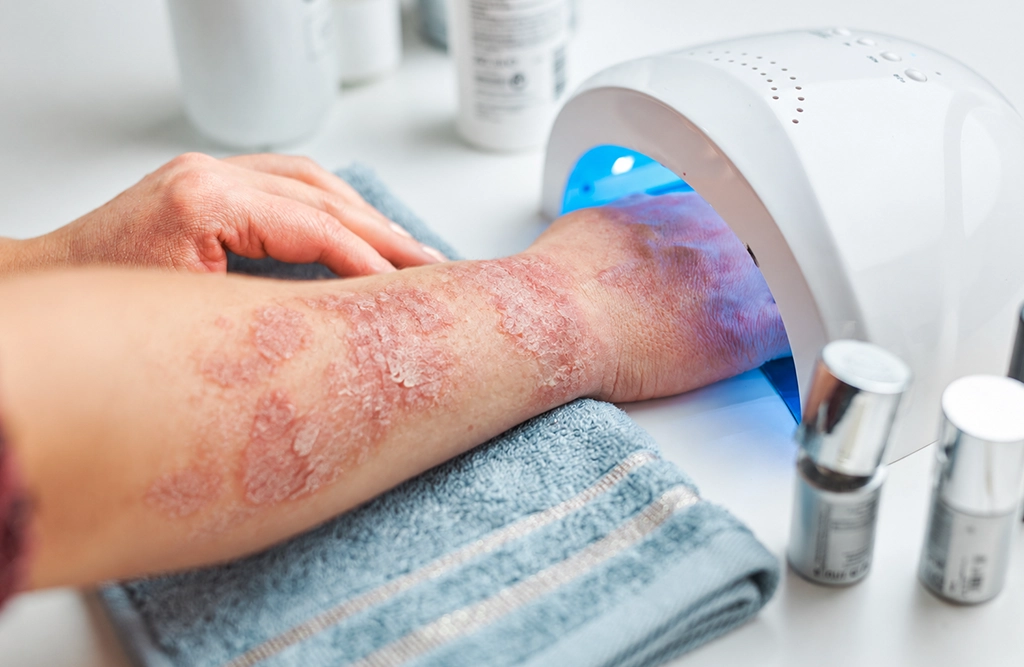
Narrowband UVB phototherapy, typically delivered around the 311–312 nm wavelength range, is an established whole-area treatment option for selected psoriasis patients, particularly when plaques are more widespread across the body.
Excimer Laser
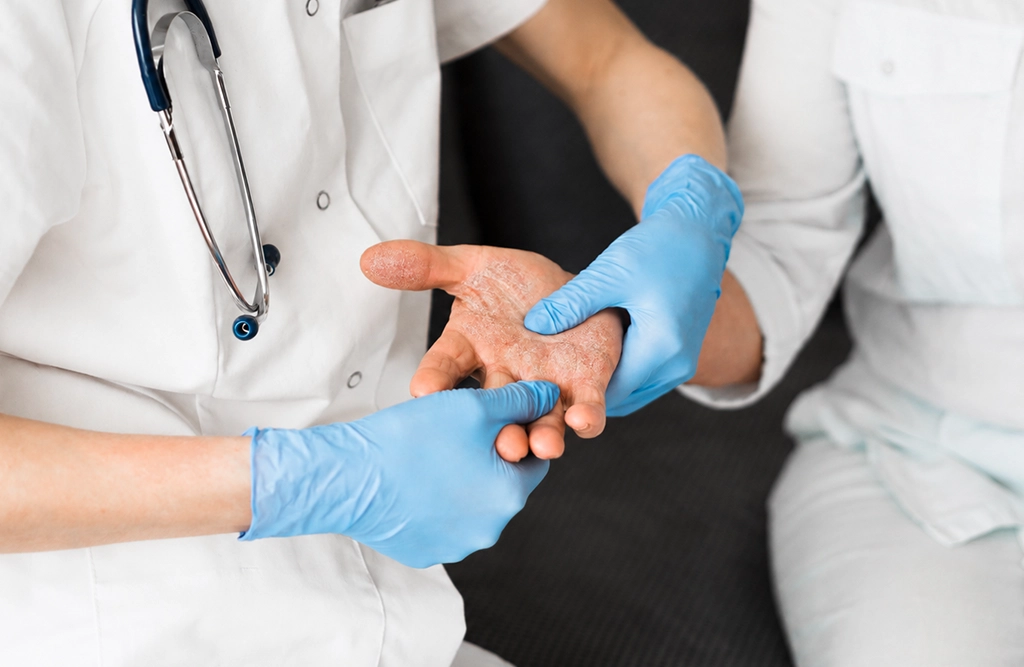
Excimer laser provides more targeted phototherapy and may be considered for localized plaques. It allows focused treatment of specific affected areas rather than the whole body, depending on the distribution and extent of psoriasis.
Systemic Treatment
When psoriasis is extensive, persistent or inadequately controlled with topical therapies, systemic treatment may be considered. Depending on the individual patient, systemic options can include medicines such as methotrexate, cyclosporine, acitretin or apremilast. These treatments require appropriate medical assessment and monitoring because suitability and safety vary between patients.
How to Prepare for Psoriasis Treatment?
Preparation depends on the treatment selected and the condition of your skin. Before starting therapy, Dr. Haitham will review your current medications, previous psoriasis treatments, skin condition and any relevant medical history. This allows the treatment plan to be adjusted according to your individual needs.
Pre-Treatment Skin Care Guidelines
Maintaining the skin barrier is important for patients with psoriasis. Gentle cleansing, regular moisturization and avoiding unnecessary irritation can help support the skin before treatment. Your dermatologist may provide additional instructions depending on whether you are receiving topical treatment, phototherapy or systemic therapy.
Medication Adjustments Before Therapy
Do not stop or change prescription medication without medical guidance. Certain treatments may require medication review, laboratory testing or other precautions before systemic or biologic therapy begins. Dr. Haitham can explain any required adjustments based on your treatment plan.
What to Expect During Your First Visit
Your first visit typically includes a discussion of your symptoms, previous treatment, medical history and possible triggers, followed by a clinical examination. The consultation is used to determine the type and severity of psoriasis and establish whether topical therapy, phototherapy, systemic medication, biologic treatment or another approach is appropriate.
Who Is an Ideal Candidate for Psoriasis Treatment?
Psoriasis treatment is suitable for patients whose symptoms require professional assessment or whose current treatment is not providing adequate control. Treatment selection depends on disease severity, location, symptoms, previous treatment response and overall health.
Mild to Moderate Plaque Psoriasis
Patients with localized or mild-to-moderate plaque psoriasis may benefit from topical treatment, medical skincare or selected phototherapy approaches depending on the extent and location of the plaques.
Moderate to Severe Psoriasis Unresponsive to Topicals
When psoriasis remains active despite appropriate topical treatment, a dermatologist may consider phototherapy or systemic treatment. Patients with more extensive or resistant disease may also be evaluated for targeted biologic therapy.
Psoriatic Arthritis Patients
Patients with psoriasis and symptoms suggestive of psoriatic arthritis require attention to both skin and joint health. A coordinated medical approach may be necessary when joint inflammation is present.
Patients Seeking Non-Steroidal Options
Some patients may prefer to explore non-steroidal treatment options. Depending on the diagnosis and severity, alternatives may include vitamin D analogues, phototherapy, systemic therapies or targeted biologics. The appropriate choice should be based on medical assessment rather than preference alone.
Benefits of Psoriasis Treatment at Our Riyadh Clinic
The objective of psoriasis treatment is to control inflammation and symptoms while helping patients maintain healthier skin over the long term. Treatment can reduce plaque thickness and scaling, relieve discomfort and improve the appearance of affected skin when the selected therapy works effectively for the individual patient.
Reduced Inflammation & Scaling
Appropriate treatment can reduce the inflammatory activity that contributes to thickened plaques, redness and skin scaling, helping affected areas become smoother and less symptomatic.
Improved Skin Appearance & Texture
As plaques respond to treatment, the skin may become less thickened, dry and scaly. Improvement varies according to the type and severity of psoriasis and the treatment used.
Relief from Itching & Discomfort
Reducing inflammation and dryness can help relieve itching, burning, soreness and discomfort associated with active psoriasis.
Long-Term Flare-Up Control
Psoriasis is a chronic condition, so treatment focuses on long-term management rather than a permanent one-time removal. Maintenance therapy and monitoring can help reduce the frequency or severity of flare-ups for some patients.
Enhanced Quality of Life & Confidence
Controlling visible plaques, scaling and discomfort can make everyday activities more comfortable and may positively influence confidence and quality of life.
Psoriasis Treatment Procedure: Step-by-Step
Step 1: Comprehensive Clinical Assessment
Dr. Haitham evaluates your skin, symptoms, disease distribution, previous treatments and relevant medical history. The assessment may also consider nail changes and symptoms of psoriatic arthritis.
Step 2: Personalized Treatment Plan Design
Based on the assessment, a personalized psoriasis treatment plan is developed. It may involve topical therapy, phototherapy, systemic medication, biologic treatment or a combination of approaches.
Step 3: Surface-Level Therapy
For appropriate patients, topical therapies can help manage localized plaques and scaling. M22 IPL should not be considered a universal psoriasis treatment; where light-based treatment is appropriate, established options such as narrowband UVB or excimer laser may be considered according to the clinical situation.
Step 4: Systemic Regulation
Patients with more extensive, severe or resistant psoriasis may require systemic treatment. Depending on individual suitability, oral systemic drugs or biologic injections for psoriasis may be considered to target inflammatory pathways involved in the disease.
Step 5: Long-Term Maintenance & Monitoring
Because psoriasis can fluctuate over time, ongoing monitoring is an important part of psoriasis management. Treatment may be adjusted according to disease activity, response, side effects, flare-ups and changes in the patient’s overall health.
Psoriasis Diet & Lifestyle: Managing Triggers in Riyadh
Diet and lifestyle cannot replace medical psoriasis treatment, but healthy habits can support overall wellbeing and may help some patients manage factors associated with flare-ups. Individual triggers vary, so patients should avoid restrictive diets or major lifestyle changes without an appropriate reason.
Anti-Inflammatory Foods That May Support Overall Health
A balanced diet rich in vegetables, fruits, whole grains, legumes, lean proteins and healthy fats can support general health. Foods containing omega-3 fatty acids, such as certain fish, may also form part of a balanced dietary pattern. Nutrition should complement, not replace evidence-based psoriasis treatment.
Foods & Habits to Avoid
There is no universal psoriasis diet that guarantees clear skin. Some patients may notice that particular foods, alcohol, smoking or other habits coincide with worsening symptoms. Keeping track of personal patterns can help identify possible triggers without unnecessarily eliminating large food groups.
Stress Management & Climate Adaptation Tips
Stress can contribute to psoriasis flare-ups in some patients. Managing stress, maintaining regular sleep and protecting the skin from excessive dryness can support overall psoriasis care. In Riyadh, regular moisturization and attention to dry indoor air caused by air conditioning can be particularly helpful for maintaining the skin barrier.
Why Choose Dr. Haitham Al-Gzlan for Psoriasis in Riyadh?
Dr. Haitham Al-Gzlan provides consultant-led dermatological care with a focus on individualized assessment and treatment planning. His approach considers the type and severity of psoriasis, associated symptoms, previous treatment response and the patient’s long-term goals rather than relying on a single treatment for every case.
Consultant Dermatology Expertise
Dr. Haitham’s dermatology practice focuses on personalized medical, cosmetic, laser and hair care. For psoriasis patients, the priority is appropriate clinical assessment, medically suitable treatment and ongoing disease management.
Advanced Treatment Technology
Modern dermatological technologies can complement conventional psoriasis care when clinically appropriate. Depending on the condition, treatment planning may include phototherapy or other device-based approaches alongside medical treatment.
Personalized Treatment Plans for Saudi Skin Types
Skin type and pigmentation characteristics can influence the selection and settings of certain light- and laser-based procedures. Treatment is therefore tailored to the individual rather than applying a standardized protocol to every patient.
Patient-Centered Care
Psoriasis can change over time, which is why treatment should remain responsive to disease activity, symptoms and treatment response. Ongoing communication and follow-up form an important part of comprehensive psoriasis patient support.
Psoriasis Treatment FAQs: Riyadh Patients Ask
There is currently no guaranteed permanent cure for psoriasis. However, modern psoriasis treatments can significantly control symptoms and, in some patients, achieve very clear skin for extended periods. Long-term management aims to reduce inflammation, control plaques and minimize flare-ups.
There is no standard number of M22 IPL sessions for psoriasis because IPL is not a universal or first-line treatment for the condition. When light-based treatment is appropriate, your dermatologist may consider established options such as narrowband UVB or excimer laser based on the distribution and severity of your psoriasis.
Biologic therapies can be used as long-term psoriasis treatments in appropriately selected patients, but they require medical screening and ongoing monitoring. Potential risks, benefits, infection screening and individual medical factors should be reviewed before and during treatment.
No. M22 IPL should not be considered a treatment for every type of psoriasis. Treatment depends on the psoriasis subtype, extent, location and clinical characteristics. Established phototherapy options, including narrowband UVB and excimer laser, may be more appropriate in selected cases.
Insurance coverage varies according to your insurance provider, policy, treatment and medical eligibility. Systemic and biologic treatments may have specific authorization or coverage requirements. It is best to confirm your benefits directly with your insurer before beginning treatment.
Maintaining your prescribed treatment schedule, staying adequately hydrated during non-fasting hours, moisturizing regularly and protecting your skin from excessive dryness can support psoriasis management during Ramadan. If you use systemic or biologic medication, discuss any required timing or medication adjustments with your dermatologist rather than changing your treatment independently.
Ready to Control Your Psoriasis? Book Your Consultation in Riyadh
Living with psoriasis does not mean you have to manage persistent plaques, scaling, itching or recurring flare-ups without professional support. Dr. Haitham Al-Gzlan provides individualized psoriasis treatment in Riyadh, with options selected according to your condition, treatment history and long-term needs.
Whether you need treatment for plaque psoriasis, scalp psoriasis, persistent psoriasis symptoms, psoriatic arthritis-related concerns or moderate-to-severe disease, a detailed dermatological assessment is the first step toward an appropriate management plan.
Book your consultation with Dr. Haitham Al-Gzlan in Riyadh and take the next step toward better psoriasis control.