
Pores Treatment in Riyadh
Visible or enlarged pores are a common skin concern, particularly when excess oil, congestion, acne, sun exposure, or changes in skin elasticity make the openings of hair follicles appear more noticeable.
At Dr. Haitham Al-Gzlan’s dermatology practice in Riyadh, pores are assessed as part of the overall condition of the skin rather than treated as an isolated cosmetic issue. The appropriate approach depends on your skin type, oil production, pore visibility, skin texture, acne or congestion, elasticity, previous treatments, and individual goals.
Pores cannot simply be removed or permanently closed. However, appropriate dermatological care can help make visible pores less noticeable while improving overall skin texture and quality.
What Are Enlarged Pores?
Pores are small openings in the skin associated with hair follicles and sebaceous glands. Sebaceous glands produce sebum, an oily substance that helps maintain the skin’s surface.
Pore visibility varies naturally between individuals. Genetics, oil production, skin structure, age-related changes, sun exposure, and congestion can all influence how prominent pores appear. Pores may also look more noticeable when the surrounding skin loses some of its firmness and elasticity.
The goal of treatment is therefore not to eliminate normal pores, but to address the factors that may be making them more visible.
Why Do Pores Look Larger on Some Skin?
Pores can appear more prominent when:
- The skin produces excess sebum
- Oil and dead skin cells accumulate within the follicular opening
- Acne or comedonal congestion is present
- Skin loses elasticity over time
- Sun exposure contributes to collagen and structural changes
- Genetic factors influence pore size and visibility
- The skin has uneven texture or post-acne changes
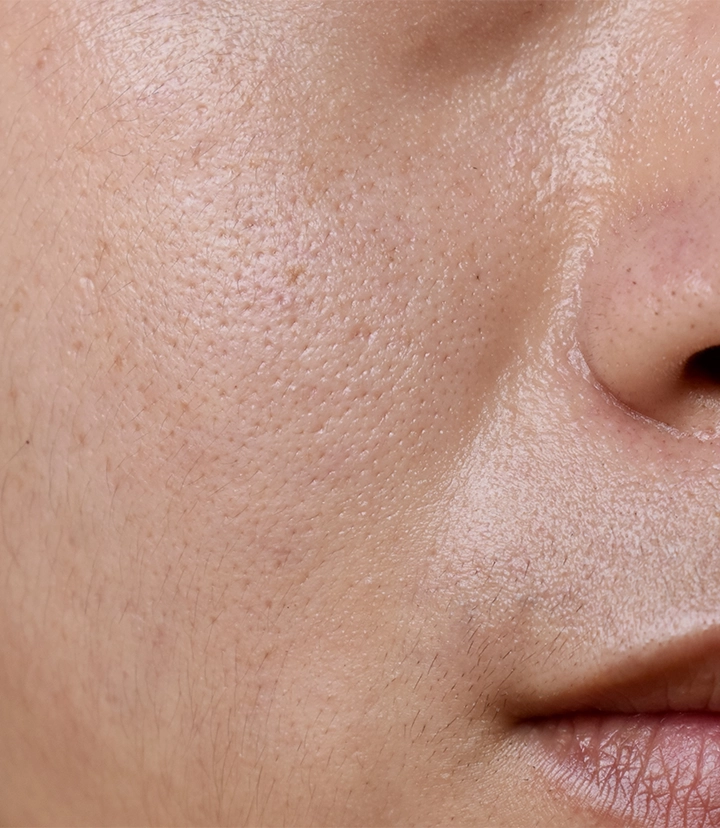
Understanding the contributing factors helps determine whether the focus should be on controlling congestion, improving skin texture, supporting collagen remodeling, or addressing more than one concern.
What Causes Enlarged Pores?
There is rarely a single explanation for visible pores. Several factors can contribute at the same time.
Excess Oil and Sebum Production
Oily skin can make pores appear more prominent because increased sebum production can contribute to congestion and shine. Pores are often particularly visible in areas where sebaceous glands are more active, such as the central face.
Managing excess oil and preventing repeated congestion can therefore form part of a pore-focused skincare or treatment plan.
Clogged or Congested Pores
Oil, dead skin cells, and other material can accumulate within follicular openings. Congestion can make pores appear darker or larger and may be associated with blackheads and other forms of acne.
A dermatologist can determine whether visible pores are primarily an aesthetic concern or whether an underlying acne or congestion problem also needs treatment.
Loss of Skin Elasticity With Age
As skin ages, changes in collagen, elastin, and overall structural support can make pores appear more prominent. Sun exposure can contribute to this process by damaging collagen and reducing skin firmness over time.
When reduced elasticity contributes to pore visibility, treatment may focus on improving skin quality and supporting collagen remodeling rather than simply cleansing the surface.
Sun Exposure and Skin Changes
Repeated ultraviolet exposure contributes to photoaging and can affect collagen and skin firmness. Protecting the skin from excessive sun exposure is therefore an important part of maintaining skin quality and reducing factors that can make pores appear more noticeable.
Genetics and Skin Type
Genetics play an important role in natural pore size and visibility. People with oilier skin may also notice pores more easily because excess sebum can contribute to a shiny appearance and congestion.
This is one reason why the same pore treatment does not produce identical results for every patient.
Acne and Post-Acne Skin Changes
Acne can contribute to clogged pores, inflammation, uneven texture, and changes that make pores more noticeable. When acne is active, controlling the underlying condition may be an important part of improving the overall appearance of the skin.
Acne treatment and pore-focused treatment are related but are not always the same. The appropriate plan depends on whether the primary concern is active acne, congestion, scarring, pigmentation, texture, or visible pores.
Can Enlarged Pores Be Reduced?
Yes, the appearance of enlarged pores can often be improved, but realistic expectations are important.
Pores are a normal part of skin anatomy and cannot simply be permanently removed. The objective of treatment is to make them less noticeable by addressing contributing factors such as excess oil, congestion, uneven texture, reduced elasticity, or changes in collagen support.
The treatment that may be appropriate for one patient may not be appropriate for another. A dermatologist should first determine what is contributing most to the appearance of the pores before selecting a procedure.
Pores Treatment Options in Riyadh
There is no single treatment that is universally best for enlarged pores. Depending on the assessment, treatment may focus on skin texture, collagen remodeling, congestion, oil-related concerns, or a combination of these factors.
At Dr. Haitham Al-Gzlan’s practice in Riyadh, relevant options may include microneedling, RF microneedling, fractional laser treatments, Laser Genesis, and selected chemical peels or other skin-rejuvenation approaches. The specific treatment and settings are selected according to the patient’s skin condition and treatment goals.
Microneedling for Enlarged Pores
Microneedling, also known as collagen induction therapy, uses controlled microscopic punctures to stimulate the skin’s healing response and collagen production.
It may be considered when visible pores occur alongside uneven texture, mild acne scars, or changes in skin quality. As collagen remodeling develops progressively, improvement is not necessarily immediate.
Microneedling should be performed using an appropriate medical technique and treatment depth. At-home microneedling devices should not be considered equivalent to professionally performed treatment.
RF Microneedling for Pore Appearance
Radiofrequency microneedling combines controlled microneedling with radiofrequency energy delivered into the skin.
At Dr. Haitham’s practice, RF microneedling technologies such as Secret RF may be considered for selected concerns involving skin texture, scarring, pores, or mild laxity. Treatment depth and energy settings can be customized according to the skin, treatment area, and clinical objective.
Because RF microneedling involves both mechanical and thermal stimulation, appropriate patient selection and treatment parameters are important.
Fractional Laser Treatments
Fractional laser treatments can create controlled microscopic treatment zones in the skin and stimulate a remodeling response.
Depending on the technology and treatment depth, fractional laser treatment may be considered when visible pores occur together with uneven texture, acne scars, or other signs of photoaging.
More intensive resurfacing procedures can involve more recovery and require careful assessment, particularly when treating patients who are prone to pigmentation changes.
Laser Genesis for Skin Texture and Pores
Laser Genesis is a non-ablative laser approach that may be considered for selected skin concerns involving texture, redness, overall rejuvenation, and visible pores.
It works differently from deeper ablative resurfacing treatments, so the expected results and recovery profile are also different.
The choice of laser technology should be based on the patient’s skin type, concern, desired outcome, and tolerance for downtime rather than simply selecting the most powerful available device.
Chemical Peels
Selected chemical peels can improve skin texture and address certain forms of congestion, acne, or superficial skin irregularity.
Different peeling agents have different properties and depths. For example, glycolic and salicylic acid peels are used for different skin concerns and should be selected according to the condition being treated.
Chemical peels should be performed or recommended under appropriate professional supervision, particularly when stronger formulations are involved.
How Dr. Haitham Assesses Enlarged Pores
Effective treatment begins with understanding why the pores are visible.
During a dermatology consultation, Dr. Haitham may consider:
- Skin type and oil production
- Pore visibility and distribution
- Congestion and comedones
- Active acne
- Acne scars or post-acne changes
- Skin texture
- Skin elasticity and firmness
- Sun exposure and signs of photoaging
- Previous cosmetic or dermatological treatments
- Current skincare products
- Medical history and relevant medications
- Treatment goals and tolerance for downtime
This assessment helps determine whether the priority should be controlling congestion, improving texture, supporting collagen remodeling, treating associated acne, or combining different approaches.
You do not need to know which procedure you need before your consultation. The treatment plan should follow the assessment rather than the other way around.
What to Expect During Pores Treatment
Before Treatment
Your skin is assessed and your treatment options are discussed. Depending on the procedure, you may receive specific instructions regarding sun exposure, skincare products, exfoliating ingredients, retinoids, or other factors that can affect treatment and recovery.
Do not stop prescribed medication unless your doctor specifically advises you to do so.
During Treatment
The procedure depends on the selected treatment.
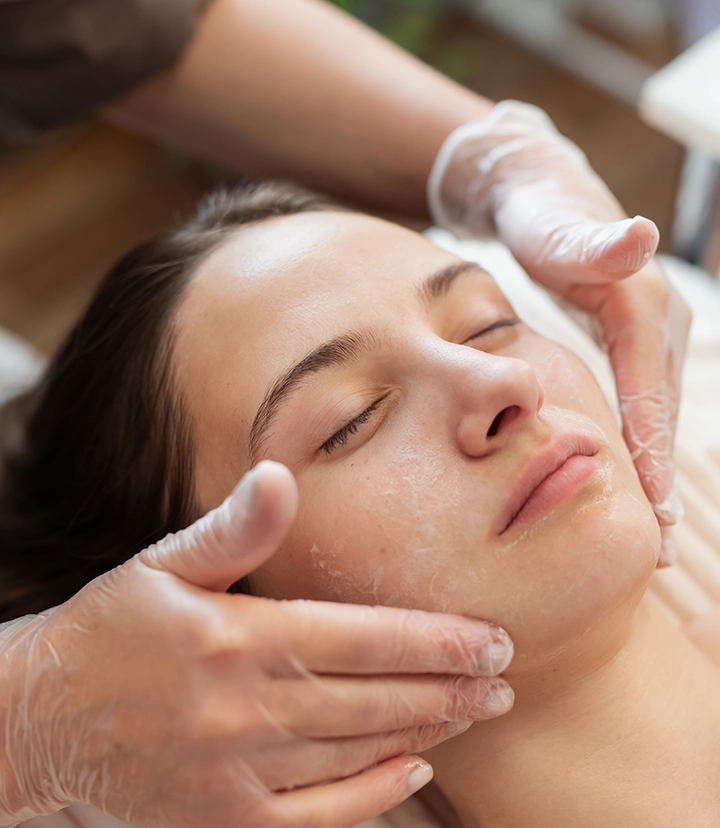
Microneedling involves controlled micro-injuries to stimulate collagen remodeling. RF microneedling adds radiofrequency energy at selected depths. Fractional laser treatments create controlled treatment zones, while chemical peels use a selected chemical solution to exfoliate targeted layers of skin.
The treatment parameters should be adjusted according to the patient’s skin type, concern, treatment area, and clinical objective.
After Treatment
Temporary redness, sensitivity, swelling, peeling, or warmth may occur depending on the procedure and treatment intensity.
You will receive treatment-specific aftercare instructions. Gentle skincare, appropriate hydration, and consistent sun protection are generally important components of post-treatment care.
Pores Treatment Results: What Can You Expect?
The expected result is reduced visibility of pores and improved overall skin texture, rather than complete removal of pores.
Results vary according to:
- The underlying cause of pore visibility
- Skin type
- Degree of congestion
- Skin elasticity
- Treatment selected
- Treatment intensity
- Number of sessions
- Individual response
- Skincare and sun-protection habits
Some treatments can improve the immediate appearance of skin texture or hydration, while collagen-stimulating procedures generally produce changes progressively as the skin remodels.
The aim is to achieve a natural improvement in skin quality rather than an artificial or overly aggressive result.
How Many Pores Treatment Sessions Are Needed?
There is no universal number of sessions for enlarged pores. The number and spacing of treatments depend on the procedure, the condition of your skin, the visibility of the pores, associated concerns, and your response to treatment.
Some patients may benefit from a single treatment as part of a broader skincare plan, while collagen-remodeling procedures often involve a series of sessions followed by maintenance when appropriate.
A personalized schedule can be discussed after your skin assessment.
Pores Treatment Aftercare
Aftercare depends on the treatment performed.
General principles may include:
- Use gentle skincare products as advised
- Protect your skin from ultraviolet exposure
- Apply sunscreen consistently
- Avoid picking, squeezing, or scratching treated areas
- Avoid aggressive scrubbing
- Temporarily pause certain active ingredients when instructed
- Follow treatment-specific cleansing and moisturizing instructions
- Allow the skin to recover before restarting exfoliating products
Aggressive squeezing or picking at pores can irritate the skin and make their appearance more noticeable.
If you have undergone a laser treatment, chemical peel, microneedling, or RF microneedling procedure, follow the specific aftercare instructions provided for that treatment.
Who May Benefit From Pores Treatment?
A dermatology assessment may be appropriate if you are concerned about:
- Visible or enlarged pores
- Oily skin
- Congested skin
- Blackheads
- Uneven skin texture
- Acne-prone skin
- Mild post-acne texture changes
- Reduced skin firmness
- Pores that have become more noticeable over time
Not everyone needs a procedure. In some cases, improving the skincare routine or treating an underlying condition such as acne or congestion may be an important first step.
Pores Treatment Cost in Riyadh
The cost of pores treatment in Riyadh varies because there is no single procedure used for every patient.
The total cost may depend on:
- The treatment selected
- Number of sessions
- Treatment area
- Skin condition
- Treatment intensity
- Whether additional skin concerns are treated at the same time
- The technology or procedure used
A consultation allows the appropriate treatment to be identified before a treatment plan and associated costs are discussed.
Frequently Asked Questions About Pores Treatment
No. Pores are a normal part of skin anatomy and cannot simply be permanently removed. Treatment aims to reduce their visibility and improve the surrounding skin texture and quality.
There is no single best treatment for every patient. The appropriate option depends on why the pores are visible, your skin type, oil production, congestion, elasticity, texture, and any associated acne or scarring.
Microneedling may help improve the appearance of large pores by stimulating collagen remodeling and improving skin texture. It may be particularly relevant when visible pores occur alongside uneven texture or selected acne scars.
Selected chemical peels may improve skin texture and help address oil, dead skin-cell buildup, or certain acne-related concerns. The type and strength of peel should be selected according to your skin condition.
Yes. Increased sebum production can make pores more noticeable, particularly when oil contributes to congestion. A dermatologist can assess whether oil control should form part of your treatment plan.
Acne can contribute to clogged pores, inflammation, and uneven skin texture, which may make pores appear more noticeable. Treating the underlying acne may therefore be an important part of improving overall skin appearance.
The timeline depends on the treatment. Some procedures may produce an early improvement in skin smoothness, while treatments that rely on collagen remodeling generally develop progressively over time.
There is no fixed number of sessions. The treatment course depends on the procedure, your skin condition, the severity of the concern, and your individual response.
Downtime varies significantly by treatment. Some gentler procedures may cause little visible recovery, while fractional laser, RF microneedling, or stronger chemical peels may produce redness, sensitivity, swelling, or peeling for a period of time. Your expected recovery will be explained before treatment.
There is no single price because different treatments and treatment plans are used for different patients. The cost can be discussed after assessing your skin and determining the appropriate approach.
Pores Treatment in Riyadh With Dr. Haitham Al-Gzlan
Visible pores can have more than one cause, which is why treatment should begin with assessment rather than choosing a procedure based only on the name of the concern.
Dr. Haitham Al-Gzlan is a Consultant Dermatologist and Aesthetic Physician in Riyadh providing personalized dermatological, laser, and skin-rejuvenation care. His approach considers skin type, the underlying concern, treatment goals, and the appropriate technology or procedure before developing an individualized plan.
If enlarged or visible pores are affecting your confidence or you are unsure which treatment is appropriate for your skin, a dermatology consultation can help identify the contributing factors and determine suitable treatment options.
Book a consultation in Riyadh with Dr. Haitham Al-Gzlan to have your skin assessed and discuss a personalized approach to improving the appearance of visible pores.