
Eczema Treatment in Riyadh – Expert Care by Dr. Haitham Al-Gzlan
Personalized eczema and atopic dermatitis care focused on restoring the skin barrier, controlling inflammation, relieving itching, and reducing recurring flares.
Eczema is a chronic skin condition that can cause severe itching, dryness, redness, scaling, irritation, and recurring flare-ups. Dr. Haitham Al-Gzlan provides personalized eczema treatment in Riyadh for adults, adolescents, and children, with treatment plans based on the type and severity of eczema, skin condition, medical history, and individual triggers. Depending on the diagnosis, care may include medical skincare, prescription treatments, anti-inflammatory therapies, phototherapy, and advanced treatments for more persistent or severe disease.
What Is Eczema (Atopic Dermatitis)?
Eczema is a group of inflammatory skin conditions characterized by dry, sensitive, itchy and irritated skin. Atopic dermatitis is the most common form and often develops when a compromised skin barrier allows moisture to escape more easily and makes the skin more vulnerable to irritants and allergens. Genetic factors, including changes affecting proteins such as filaggrin, can contribute to impaired barrier function and increased trans-epidermal water loss (TEWL).
Eczema can follow cycles of flares and remission, with symptoms ranging from mild dryness and itching to extensive inflammation, cracking, oozing and thickened skin. Understanding the underlying pattern of the eczema skin condition is an important first step toward effective eczema management.
Eczema Symptoms: Do You Have These Signs?
Eczema symptoms vary depending on the type of dermatitis, age, skin tone and severity of the condition. Recognizing persistent symptoms can help determine when a professional dermatological assessment is appropriate.
Intense Itching (Pruritus)
Pruritus, or severe itching, is one of the most characteristic symptoms of eczema. It can become particularly troublesome at night and may lead to repeated scratching. Persistent scratching can cause excoriation, inflammation and eventually lichenification, where the skin becomes thicker and more textured.
Dry, Scaly, or Cracked Skin
Eczema skin often becomes extremely dry because the skin barrier cannot retain moisture effectively. Xerosis, scaling and cracking can occur, particularly during a flare. Maintaining the skin barrier with appropriate moisturizers and prescription emollients can form an important part of eczema skin care.
Red to Brownish-Grey Patches
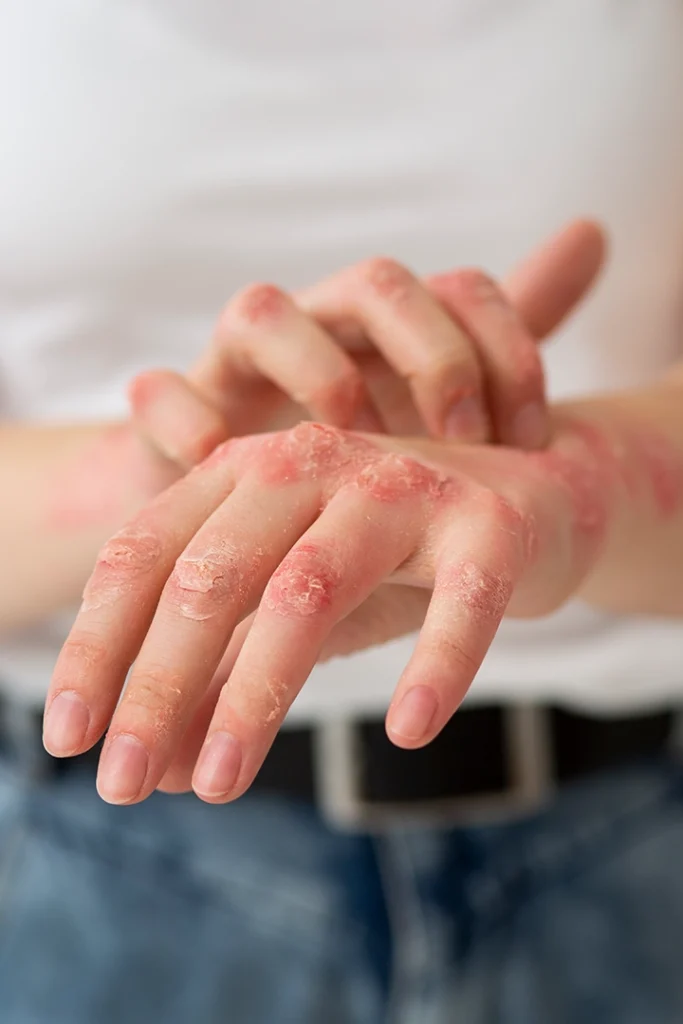
Eczema may appear as red or inflamed patches, although the appearance can vary across different skin tones. Areas of inflammation may become darker or lighter after repeated flares. These changes, together with dryness, itching and scaling, can help a dermatologist distinguish eczema from other skin conditions.
Small Raised Bumps (Papules)
Some patients develop small raised bumps or papules, particularly during active inflammation. These lesions can become intensely itchy and may worsen when scratching continues.
Oozing or Crusting During Flare-Ups
More active eczema can produce weeping or oozing areas that later develop crusting. Damaged skin can also become more susceptible to irritation and secondary infection, making appropriate assessment important when a flare becomes unusually painful, swollen, warm or rapidly worsening.
Thickened Skin from Chronic Scratching
Repeated scratching over a long period can cause lichenification, resulting in thickened, leathery or more pronounced skin markings. Breaking the itch-scratch cycle is therefore an important part of chronic eczema treatment.
Types of Eczema We Treat
Different forms of dermatitis can look similar but have different triggers and treatment requirements. Identifying the specific type of eczema helps Dr. Haitham develop a more targeted treatment plan.
Atopic Dermatitis (Most Common)
Atopic dermatitis is a chronic inflammatory form of eczema commonly associated with dry skin, severe itching and a weakened skin barrier. Genetic susceptibility, immune-system activity and environmental factors can all contribute. Atopic dermatitis treatment focuses on controlling inflammation, restoring barrier function and reducing future flares.
Contact Dermatitis (Allergic & Irritant)
Contact dermatitis occurs when the skin reacts to an external substance. Allergic contact dermatitis results from an immune reaction to a specific allergen, while irritant contact dermatitis develops when substances damage or irritate the skin. Identifying the trigger is an important part of treatment, and patch testing may be considered when an allergy is suspected.
Dyshidrotic Eczema (Hand & Foot)
Dyshidrotic eczema, also known as pompholyx, can cause small, intensely itchy fluid-filled blisters on the hands and feet. The skin may subsequently become dry, cracked or irritated. Treatment focuses on controlling inflammation, protecting the skin barrier and identifying factors that may trigger recurring episodes.
Nummular Eczema (Coin-Shaped Patches)
Nummular or discoid eczema produces round or coin-shaped patches that can become dry, itchy, inflamed and sometimes crusted. Because other skin conditions can produce similar circular rashes, accurate clinical assessment is important before starting treatment.
Seborrheic Dermatitis
Seborrheic dermatitis commonly affects areas with a higher concentration of sebaceous glands, including the scalp, eyebrows, sides of the nose and other facial areas. It can cause redness, scaling and irritation. Scalp eczema treatment and facial care depend on the location, severity and characteristics of the condition.
Stasis Dermatitis (Leg Eczema)
Stasis dermatitis typically develops on the lower legs in association with underlying problems affecting venous circulation. It can cause swelling, redness, dryness, itching and skin changes. Because it may be linked to an underlying vascular issue, management should address both the skin symptoms and contributing factors.
Eczema Causes & Triggers
Eczema does not have one single cause. Atopic dermatitis causes can involve genetic susceptibility, impaired skin-barrier function, immune-system activity and environmental factors. Other forms of eczema may result primarily from contact with allergens or irritants.
Identifying your personal eczema triggers can make treatment more effective. In Riyadh, extreme aridity, low humidity, dust and sand exposure, frequent air-conditioning and changes between hot outdoor conditions and cool indoor environments may contribute to dryness or irritation in susceptible skin.
Genetic & Immune System Factors
A weakened epidermal barrier can increase moisture loss and make the skin more vulnerable to irritants and allergens. Genetic factors, including filaggrin-related barrier dysfunction, may contribute to atopic dermatitis in some patients. Immune-system activity also plays an important role in the inflammatory response associated with eczema.
Environmental Triggers in Riyadh
Riyadh's dry climate and high temperatures can place additional demands on the skin barrier. Low humidity, prolonged air-conditioning, dust and sand exposure, and frequent changes between outdoor heat and indoor cooling can aggravate dryness or irritation for some patients. These factors do not cause eczema in everyone, but they may contribute to flares in susceptible skin.
Common Skincare & Lifestyle Triggers
Hot showers, harsh soaps, fragranced skincare, excessive cleansing, rough fabrics, sweating and certain personal-care products can aggravate sensitive skin. Stress and other individual lifestyle factors may also coincide with eczema flares. Identifying your personal pattern can help reduce avoidable triggers and support long-term eczema skin care.
Eczema Diagnosis: How We Assess Your Skin
An accurate eczema diagnosis begins with a detailed clinical assessment. Dr. Haitham examines the appearance and distribution of the rash while considering your symptoms, medical history, previous treatment and possible triggers. The goal is to determine whether the presentation is consistent with atopic dermatitis or another form of eczema and to distinguish it from conditions such as psoriasis, fungal infections or other causes of rash.
Clinical Examination
The skin is examined for erythema, dryness, scaling, excoriation, papules, crusting, lichenification and other features associated with eczema. The location and pattern of the rash can provide important clues about its type and potential triggers.
Patch Testing for Allergens
If allergic contact dermatitis is suspected, patch testing may help identify specific substances that trigger a delayed allergic skin reaction. This can be particularly useful when eczema repeatedly develops after exposure to certain cosmetics, fragrances, metals, preservatives or occupational substances.
Ruling Out Other Skin Conditions
Several skin diseases can resemble eczema. A dermatologist may consider psoriasis, seborrheic dermatitis, fungal infection, contact dermatitis and other inflammatory or infectious conditions when evaluating a persistent rash. Additional testing may be recommended when the diagnosis is uncertain.
Eczema Treatment at Our Clinic
The best treatment for eczema depends on the type, severity, location and pattern of your condition. Dr. Haitham creates an individualized treatment plan designed to reduce inflammation, relieve itching, repair the skin barrier and control recurring flares.
Treatment may include prescription emollients, ceramide-dominant creams, topical anti-inflammatory medication, topical calcineurin inhibitors such as tacrolimus or pimecrolimus, crisaborole, or short courses of topical corticosteroids when medically appropriate. More persistent or severe atopic dermatitis may require advanced therapies, including phototherapy or systemic treatment, following specialist assessment.
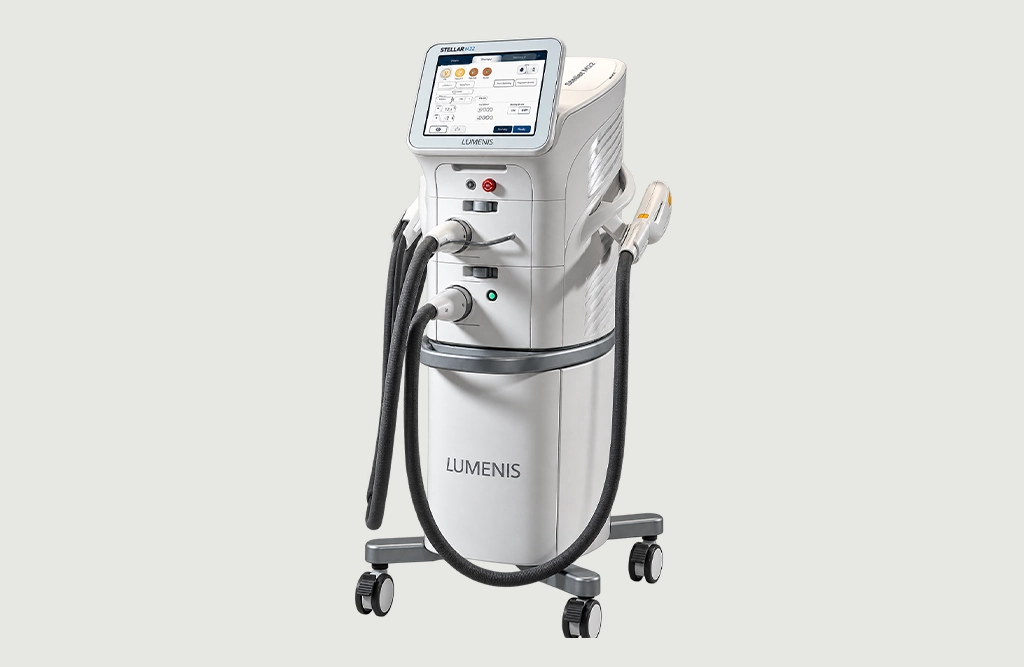
M22 IPL (Intense Pulsed Light) for Eczema Management
M22 IPL is an intense pulsed light platform that can be used for selected dermatological concerns. Its role in eczema management depends on the individual clinical presentation and should not be considered a universal treatment for atopic dermatitis. Dr. Haitham assesses the condition and skin sensitivity first to determine whether any device-based treatment is appropriate.
Baby & Child Eczema Treatment (Pediatric Care)
Eczema commonly affects children, and treatment needs to account for their age, skin barrier, symptoms and individual triggers. Child eczema treatment focuses on controlling itching and inflammation while protecting the developing skin barrier. Parents should seek professional assessment when eczema is persistent, severely itchy, interfering with sleep, becoming infected, or not responding to appropriate skincare.
Treatment recommendations for children should always be age-appropriate and medically supervised rather than based on adult eczema routines.
Eczema Diet & Nutrition: Foods to Avoid & Include
Food can play a role in eczema for some individuals, particularly when a confirmed food allergy or clear food-related pattern exists. However, eliminating foods without a medical reason can create unnecessary dietary restrictions and may be especially problematic for growing children. There is no universal eczema diet that works for everyone.
Common Food Triggers for Eczema
Certain foods can trigger allergic reactions in susceptible individuals, but food allergy should not automatically be assumed to be the cause of eczema. If you notice a consistent relationship between a particular food and your symptoms, discuss it with an appropriate healthcare professional before removing it from your diet.
Anti-Inflammatory Foods That Help Manage Symptoms
A balanced diet containing vegetables, fruits, whole grains, legumes, healthy fats and adequate protein supports overall health. Foods containing omega-3 fatty acids and a variety of nutrients may form part of a balanced diet, but diet alone should not replace medical eczema treatment when active inflammation requires professional care.
Who Is an Ideal Candidate for Eczema Treatment?
You may benefit from an eczema consultation if you experience persistent itching, dry or cracked skin, recurring rashes, red or inflamed patches, scaling, oozing, crusting or thickened skin. Treatment can be appropriate for adults, adolescents and children with recurring or persistent eczema symptoms.
A consultation is particularly valuable when your eczema repeatedly flares, interferes with sleep or daily activities, does not respond to your current routine, or when you are uncertain whether the rash is actually eczema.
Eczema Treatment Preparation: What to Expect
Your consultation begins with a discussion of your symptoms, medical history, previous treatments, skincare routine and potential triggers. Dr. Haitham then examines the affected skin and determines whether additional assessment, such as patch testing, may be appropriate.
Before starting treatment, you will receive guidance on skincare, medications and any changes needed to prepare the skin. The treatment plan may begin with barrier repair and inflammation control before progressing to additional therapies when necessary.
Why Choose Dr. Haitham Al-Gzlan for Eczema in Riyadh?
Dr. Haitham Al-Gzlan provides personalized medical dermatology care in Riyadh, focusing on accurate assessment and treatment that reflects each patient’s skin condition. Rather than relying on a single eczema treatment, he considers the type of dermatitis, severity, symptoms, triggers, previous treatment response and individual needs.
Consultant Dermatology Expertise
As a consultant dermatologist, Dr. Haitham approaches eczema as a medical skin condition requiring proper assessment and individualized management. His focus is on understanding the condition and selecting appropriate treatment rather than simply treating visible dryness or redness.
Personalized Treatment Plans
Every patient’s eczema can behave differently. A treatment plan for mild facial eczema may differ significantly from chronic eczema treatment for extensive atopic dermatitis or scalp eczema treatment. Plans are therefore adapted to the patient’s age, symptoms, skin sensitivity, severity and treatment history.
Advanced Therapies & Medications Available
Depending on the diagnosis and severity, eczema management may include medical skincare, prescription medication, topical immunomodulators, phototherapy and advanced therapies for appropriate patients. Biologic therapy for eczema and JAK inhibitors may be considered for selected patients with moderate-to-severe atopic dermatitis under specialist medical supervision; suitability depends on individual medical factors.
Real Patient Results & Testimonials
Patient experiences and clinical outcomes can provide useful context, but eczema treatment results vary. The severity and duration of disease, treatment adherence, triggers, skin type and individual response can all influence improvement. Any patient results or testimonials presented should represent genuine experiences and be shared with appropriate consent.
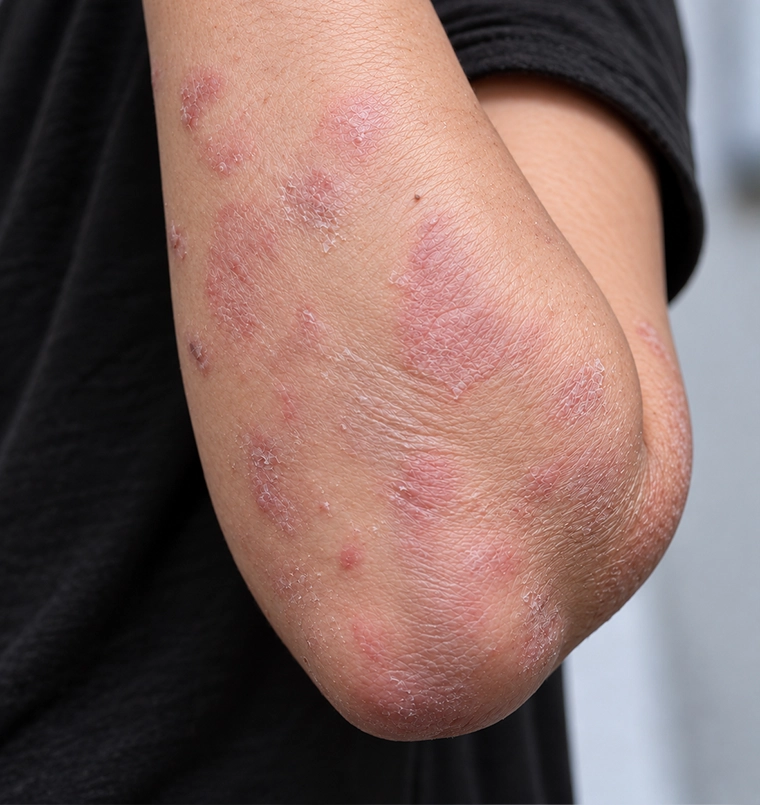
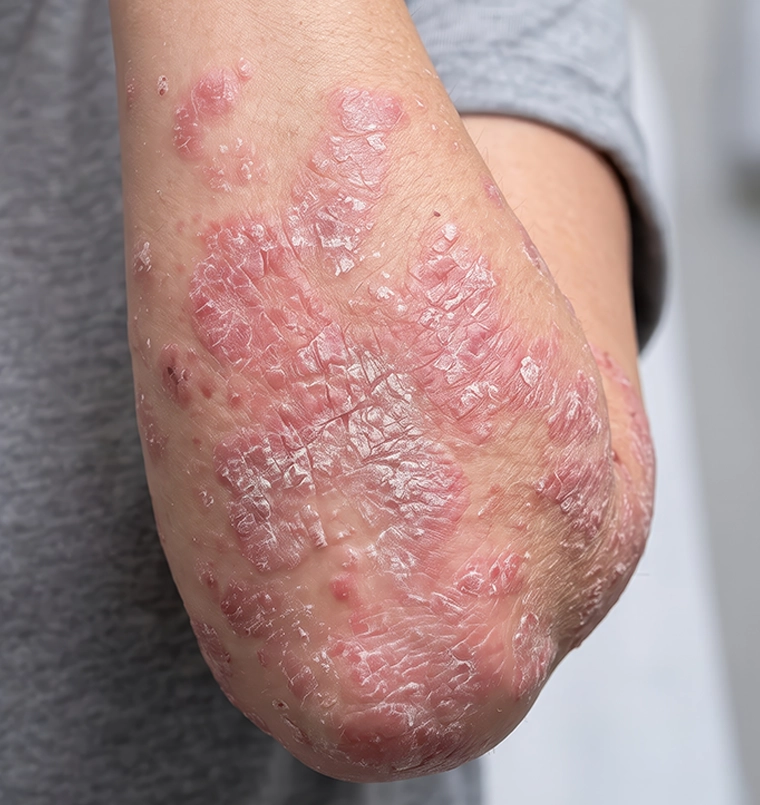
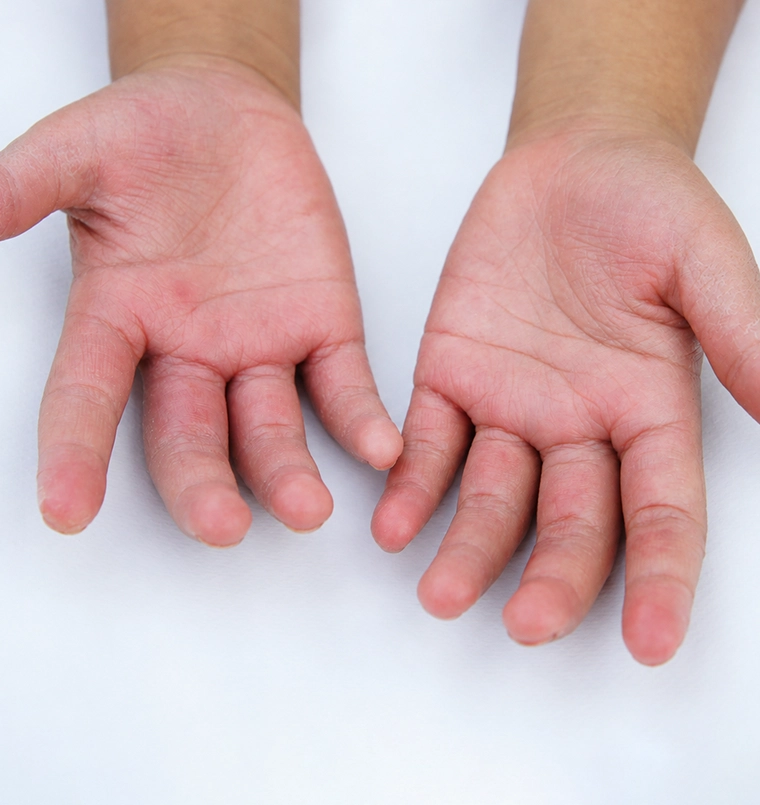
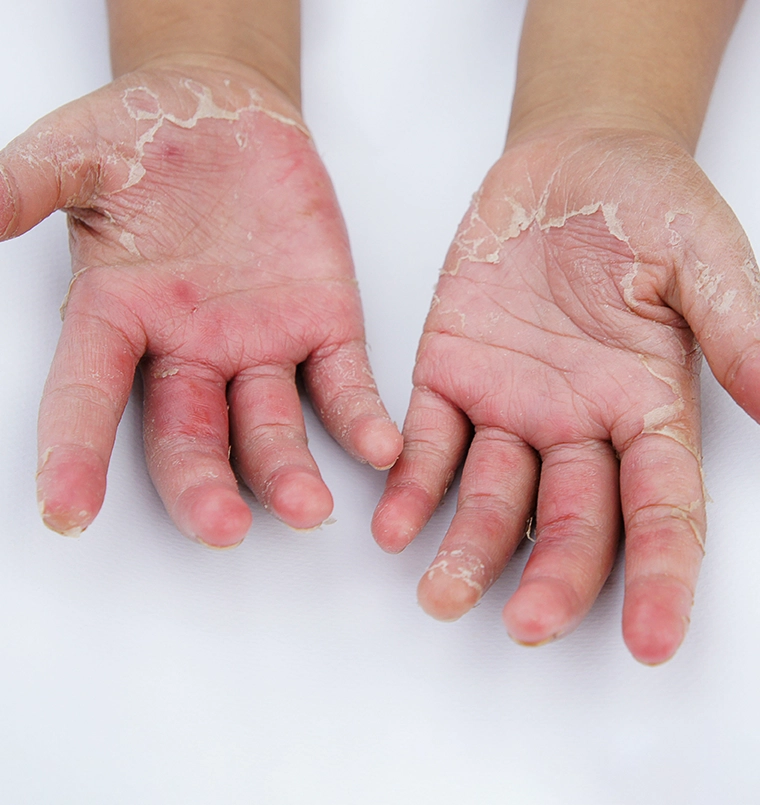
Patient photos shown with consent. Individual results may vary.
Eczema Treatment FAQs
There is currently no guaranteed permanent eczema cure treatment for atopic dermatitis. However, appropriate medical treatment can often control inflammation, relieve itching, strengthen the skin barrier and reduce the frequency or severity of flares. Many patients experience periods of improvement and remission with appropriate long-term management.
The timeline varies according to the type and severity of eczema and the treatment used. Some patients may experience improvement in itching and inflammation relatively quickly, while chronic or severe eczema may require longer-term management and adjustments to treatment.
Yes, biologic therapies can be an important treatment option for selected patients with moderate-to-severe atopic dermatitis that has not responded adequately to other treatments. Therapies that target inflammatory pathways such as IL-4 and IL-13 can help reduce disease activity in appropriate patients. A dermatologist must assess whether biologic therapy is suitable based on medical history and disease severity.
M22 IPL is not automatically appropriate for every patient with eczema. Active inflammation, skin sensitivity and the underlying condition must be assessed before considering a light-based procedure. Dr. Haitham determines whether IPL has a suitable role based on your individual skin condition and treatment goals.
Insurance coverage varies according to your insurance provider, policy, treatment and whether the service is classified as medically necessary. It is best to confirm coverage, authorization requirements and any applicable exclusions directly with your insurance provider before treatment.
Ready to Relieve Your Itchy Skin? Book Your Eczema Consultation in Riyadh
Persistent eczema can affect sleep, comfort, confidence and everyday life. Whether you need eczema treatment for adults, atopic eczema treatment, eczema on face treatment, scalp eczema treatment, chronic eczema treatment or care for severe atopic dermatitis, the first step is understanding what is driving your symptoms.
Book an eczema consultation with Dr. Haitham Al-Gzlan in Riyadh for a personalized assessment and treatment plan focused on controlling inflammation, relieving itching, supporting the skin barrier and managing future flares.