
Hair & Scalp Treatment in Riyadh
Healthy hair begins with understanding both the hair and the scalp. Hair loss, thinning, excessive shedding and scalp changes can have different causes, which is why treatment should not follow a one-size-fits-all approach.
Dr. Haitham Al-Gzlan provides personalized hair and scalp treatment in Riyadh, beginning with an assessment of the hair, scalp and pattern of change. Depending on the clinical findings, an individualized treatment pathway may be recommended to address the specific concern and treatment goals.
Comprehensive Hair & Scalp Care
Hair and scalp concerns can develop gradually or appear more suddenly. Some people notice increased hair shedding, gradual thinning, reduced hair density or changes in the hairline, while others experience dryness, flaking, itching, irritation or inflammation of the scalp.
Although hair and scalp health are closely connected, different concerns can have different underlying factors. Understanding the pattern, duration and progression of the problem is an important first step in determining an appropriate treatment approach.
Dr. Haitham takes a personalized approach to hair and scalp concerns, considering the individual presentation before recommending suitable treatment options.
Hair & Scalp Concerns We Assess
Hair Loss & Thinning
Gradual hair loss, thinning areas, reduced hair density and changes in the hairline can occur for different reasons. Assessing the pattern and progression of hair loss helps guide the next steps. Explore Hair Loss Treatment →
Excessive Hair Shedding
Increased shedding may occur in association with factors such as illness, stress, hormonal changes or nutritional factors. Persistent or unexplained shedding may benefit from a medical hair and scalp assessment.
Pattern Hair Loss
Male and female pattern hair loss can cause progressive changes in hair density and distribution. Family history and the pattern of hair loss can provide useful information during assessment.
Patchy Hair Loss
Localized or patchy areas of hair loss can occur with conditions such as alopecia areata. Because patchy hair loss can have different causes, appropriate clinical evaluation is important.
Scalp Concerns
Dryness, flaking, itching, irritation and inflammation can affect scalp comfort and may be associated with different scalp conditions. Identifying the underlying concern helps guide appropriate management.
Changes in Hair & Scalp Health
Changes in hair quality, density or scalp condition may be influenced by multiple factors. A comprehensive assessment helps place these changes in context and determine an appropriate care pathway.
What Can Affect Hair & Scalp Health?
Hair loss and scalp concerns do not have one universal cause. Depending on the individual, genetic, hormonal, nutritional, medical and environmental factors may contribute to changes in hair or scalp health.
Genetics & Family History
Genetic predisposition can play an important role in certain forms of hair loss, particularly pattern hair loss. Family history can therefore be relevant when assessing changes in hair density or distribution.
Hormonal Changes
Hormonal changes may influence hair growth and shedding patterns. Relevant hormonal factors may be considered when evaluating certain types of hair loss.
Stress & Illness
Periods of significant physical or emotional stress, as well as some illnesses, can be associated with increased hair shedding. The timing of shedding in relation to these events can be relevant during assessment.
Nutritional Factors
Adequate nutrition supports normal hair growth. Certain nutritional deficiencies may contribute to hair changes in some individuals and can be considered when clinically relevant.
Thyroid & Other Medical Conditions
Certain medical conditions, including thyroid disorders, may be associated with changes in hair growth or shedding. Relevant medical factors can be considered as part of a comprehensive assessment.
Hair-Care Practices
Tight hairstyles, excessive heat and chemical processing can contribute to hair or scalp damage in some situations. Understanding everyday hair-care practices can therefore be useful when evaluating hair concerns.
Hair & Scalp Assessment in Riyadh
Hair loss is not a single condition, and identifying the pattern of the concern is an important part of determining an appropriate treatment pathway.
A hair and scalp assessment may consider:
- When the hair or scalp concern began
- Whether the condition is progressing
- The pattern and distribution of hair loss
- Changes in hair density
- The amount and pattern of hair shedding
- Scalp symptoms and visible scalp changes
- Medical history
- Family history
- Current medications
- Relevant hormonal or nutritional factors
- Possible underlying scalp conditions
Depending on the clinical presentation, additional investigations may be considered when appropriate to help identify contributing factors.
The findings can then be used to develop an individualized treatment plan based on the patient’s condition, suitability and treatment goals.
From Assessment to Personalized Treatment
A structured approach helps connect the patient’s concern with an appropriate treatment pathway.
01 — Understand the Concern
The first step is identifying what has changed, when it began and whether the concern involves hair loss, thinning, shedding, scalp symptoms or another hair-related change.
02 — Assess the Hair & Scalp
The pattern, distribution, hair density and condition of the scalp can provide important information about the nature of the concern.
03 — Consider Contributing Factors
Depending on the presentation, genetic, hormonal, nutritional, medical, medication-related or scalp-related factors may be considered.
04 — Develop an Individualized Plan
Treatment options are selected according to the clinical assessment, the patient's condition and individual treatment goals.
05 — Follow the Treatment Pathway
Hair and scalp concerns may require ongoing management or follow-up depending on the diagnosis and treatment approach.
Personalized Hair & Scalp Treatment Options
There is no single treatment that is appropriate for every type of hair loss or scalp concern. Treatment selection depends on the underlying concern, clinical findings, treatment suitability and individual goals.
Hair Loss Treatment
Hair loss treatment is tailored according to the type and possible cause of hair loss. A personalized approach may be considered for concerns such as gradual thinning, pattern hair loss or excessive shedding. Explore Hair Loss Treatment →
Hair Restoration
Hair restoration focuses on approaches that may address hair density and restoration goals in appropriate patients. The recommended pathway depends on the pattern and extent of hair loss. Explore Hair Restoration →
PRP for Hair Loss
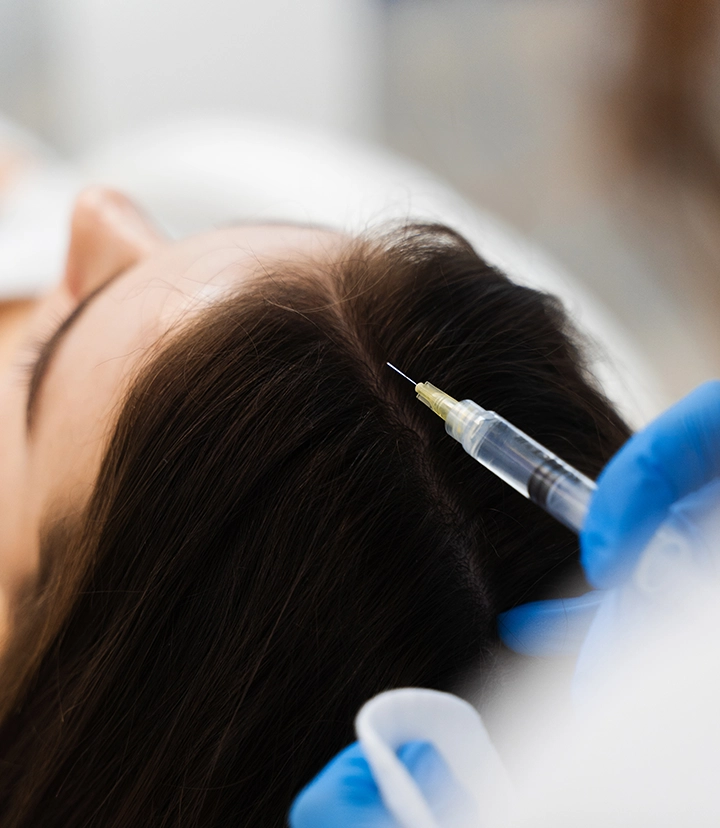
Platelet-rich plasma (PRP) may be considered as part of an individualized treatment approach for selected patients with certain types of hair loss. Suitability is determined following clinical assessment. Explore PRP for Hair Loss →
PRF
Platelet-rich fibrin (PRF) is another regenerative treatment approach that may be considered for selected hair concerns. Its suitability depends on the individual's condition and treatment goals. Explore PRF →
Exosmart
Exosmart may be considered as part of an advanced hair treatment plan for selected patients when clinically appropriate. The recommended approach depends on the individual's hair and scalp condition. Explore Exosmart →
Acell
Acell can be considered within a personalized hair restoration or regenerative treatment approach for appropriate patients. Treatment selection is based on individual assessment rather than a one-size-fits-all protocol. Explore Acell →
Why Individualized Hair & Scalp Care Matters
Hair loss and scalp concerns can look similar on the surface while having different underlying factors. A treatment that may be appropriate for one patient may not be suitable for another.
The pattern of hair loss, scalp findings, medical history, family history and other relevant factors can all influence treatment selection. Beginning with an appropriate assessment helps create a more individualized approach to hair and scalp care.
Dr. Haitham considers the clinical presentation and assessment findings when developing a treatment plan suited to the patient’s specific needs and goals.
Frequently Asked Questions
Hair loss and thinning can have different causes, including genetic factors, hormonal changes, nutritional factors, illness, stress, medications and certain scalp conditions. The underlying cause varies between individuals and may require clinical assessment.
Persistent, excessive or unexplained hair shedding may warrant a dermatological assessment, particularly when it is accompanied by noticeable thinning, changes in hair density or scalp symptoms.
Certain scalp conditions involving inflammation, irritation, flaking or other changes can affect scalp health and may contribute to hair concerns. Identifying the underlying scalp condition can help determine appropriate management.
Hair loss evaluation may include a review of medical and family history, examination of the hair and scalp, assessment of the pattern and progression of hair loss and, when clinically appropriate, additional investigations.
No. Different types of hair loss can have different causes and may require different management approaches. Treatment is selected according to the individual's clinical findings and treatment goals.
PRP and PRF are not necessarily appropriate for every patient or every type of hair loss. Suitability depends on the individual's condition, clinical assessment and treatment objectives.
Hair loss treatment focuses on managing the underlying hair-loss concern, while hair restoration refers more broadly to approaches intended to address hair density and restoration goals. The appropriate pathway depends on the individual patient's condition.
Explore Hair & Scalp Treatments
Explore the dedicated treatment pages to learn more about specific hair and scalp concerns and treatment approaches:
For personalized guidance, schedule a consultation with Dr. Haitham Al-Gzlan for a comprehensive hair and scalp assessment in Riyadh.