
Skin Rejuvenation Treatment in Riyadh – Expert Care by
Dr. Haitham Al-Gzlan
Skin changes over time due to aging, sun exposure, pigmentation, environmental stress, acne, and the gradual decline in collagen and elasticity. Skin rejuvenation treatment can address several of these concerns by improving skin tone, texture, radiance, fine lines, pores, and selected signs of sun damage. At Dr. Haitham Al-Gzlan’s practice in Riyadh, treatment is selected according to your skin type, primary concern, degree of skin damage, and tolerance for downtime rather than using the same procedure for every patient.
What Is Skin Rejuvenation?
Skin rejuvenation refers to a range of dermatological treatments designed to improve the appearance and quality of the skin. Depending on the concern, treatment may target the epidermis, dermis, pigmentation, collagen matrix, sebaceous pores, or deeper tissue. Options can include laser skin rejuvenation, IPL, fractional resurfacing, chemical peels, microneedling, RF microneedling, PRP, and Hydrafacial. The objective is to create healthier-looking, more even and refined skin while selecting treatment intensity according to individual skin characteristics.
Skin Rejuvenation in Saudi Arabia: Pigmentation, Sun Exposure & Skin Fatigue
The strong sunlight and high UV exposure experienced in Saudi Arabia can contribute to pigmentation, uneven skin tone, premature photoaging, and changes in skin texture. Repeated sun exposure can affect collagen and elastin while stimulating excess melanin production. For patients in Riyadh, skin rejuvenation therefore often involves addressing both visible concerns and the factors that contribute to them. Appropriate sun protection and carefully selected treatment parameters are particularly important for Middle Eastern and melanin-dense skin types, where aggressive treatment can increase the risk of post-inflammatory hyperpigmentation.
What Skin Rejuvenation Helps Improve
Skin rejuvenation can address a range of common concerns that affect the skin’s tone, texture, clarity, and overall appearance. Depending on the underlying cause, treatment may help improve dull or tired-looking skin, uneven tone and texture, fine lines, enlarged pores, mild acne scars and post-acne marks, sun damage, age spots, reduced radiance, and early loss of elasticity. The appropriate approach depends on your skin type and the specific concern, with treatments such as laser, IPL, chemical peels, microneedling, RF microneedling, PRP, and Laser Genesis selected according to individual needs rather than using one procedure for every patient.
Dull, Tired-Looking Skin
Uneven Skin Tone & Texture
Fine Lines & Early Wrinkles
Enlarged Pores
Mild Acne Scars & Post-Acne Marks
Sun Damage & Age Spots
Loss of Radiance & Elasticity
Benefits of Skin Rejuvenation Treatment
The potential benefits of skin rejuvenation depend on the treatment selected and the condition being addressed. A customized plan may improve skin tone, texture, radiance, fine lines, selected pigmentation, enlarged pores, mild acne scars, and early signs of skin laxity. Some procedures primarily improve the surface of the skin, while others stimulate collagen within the dermis. The result is generally a gradual improvement in skin quality rather than a complete change in facial appearance.
Who Is an Ideal Candidate for Skin Rejuvenation?
Skin rejuvenation may be suitable for adults who want to improve concerns such as dullness, uneven pigmentation, rough texture, fine lines, enlarged pores, mild acne scarring, or early loss of elasticity. The ideal treatment depends on the condition of the skin rather than age alone. During consultation, Dr. Haitham assesses your skin type, pigmentation, degree of sun damage, sensitivity, previous treatments, and expectations before recommending an appropriate approach.
Who May Not Be Suitable for Skin Rejuvenation?
Certain treatments may need to be postponed or avoided when there is an active skin infection, significant inflammation, uncontrolled skin disease, or another condition that could increase the risk of complications. Recent tanning, certain medications, pregnancy or breastfeeding, a history of abnormal wound healing, or a tendency toward post-inflammatory pigmentation may also affect treatment selection. Suitability is determined individually because different rejuvenation procedures have different contraindications.
Resurfacing Treatments Occupy Different Depths
Not all resurfacing treatments act at the same depth. A superficial chemical peel primarily affects the upper layers of the epidermis, while fractional laser treatments can create controlled micro-thermal treatment zones deeper within the skin to stimulate remodeling. More intensive resurfacing can require greater recovery and carries different risks, particularly for patients with higher melanin levels. Treatment depth should therefore match the clinical concern rather than simply choosing the strongest available procedure.
Light-Based Correction Works Differently from Resurfacing
IPL and pigment-targeting lasers work differently from fractional resurfacing. Lumenis M22 IPL, for example, uses selected wavelengths of light to target chromophores associated with pigmentation and vascular changes. PicoWay uses very short pulses and can be considered for certain pigment concerns and other indications. These technologies may improve discoloration without functioning in the same way as an ablative fractional CO₂ laser.
Deeper Tightening Needs a Different Type of Energy
When the primary concern is skin laxity rather than pigmentation or surface texture, a different type of energy may be appropriate. Radiofrequency-based treatments and focused ultrasound can deliver energy into deeper tissue layers to promote tissue remodeling and tightening. These treatments address a different aspect of aging from superficial resurfacing and should be selected according to the degree and location of laxity.
Sequence Matters More Than the Number of Treatments
Combining several treatments does not automatically produce better results. Skin rejuvenation works best when procedures are sequenced according to the condition being treated, the skin’s recovery capacity, and the interaction between different technologies. A patient may benefit from addressing pigmentation first, followed by texture or collagen stimulation, while another patient may require a completely different sequence. The goal is a coordinated treatment plan rather than simply increasing the number of procedures.
Advanced Skin Rejuvenation Treatment Options At Our Clinic
Our clinic offers a range of advanced skin rejuvenation treatments designed to address different aspects of skin aging, pigmentation, texture, acne marks, enlarged pores, and loss of radiance. Each technology works differently — some target pigmentation and surface irregularities, while others stimulate collagen production or improve overall skin texture. Rather than recommending a single “best” treatment for everyone, Dr. Haitham selects the appropriate technology, treatment depth, and energy settings according to your skin type, concern, and tolerance for downtime.
Laser Skin Rejuvenation (Fractional, Pico, IPL)
Laser skin rejuvenation can address different aspects of aging and skin damage depending on the technology used. Fractional CO₂ can provide deeper resurfacing and collagen remodeling, while PicoWay may be considered for selected pigmentation concerns and IPL can target certain pigment and vascular changes. The choice between technologies depends on the patient’s skin type and specific concern.
Chemical Peels (Glycolic, Salicylic, TCA, VI Peel)
Chemical peel treatment uses controlled application of a chemical solution to exfoliate selected layers of the skin. Glycolic, salicylic, and TCA peels have different properties and depths, while professional formulations such as VI Peel are designed for specific skin concerns. A superficial chemical peel may improve tone and texture, while stronger peels require more careful patient selection and aftercare.
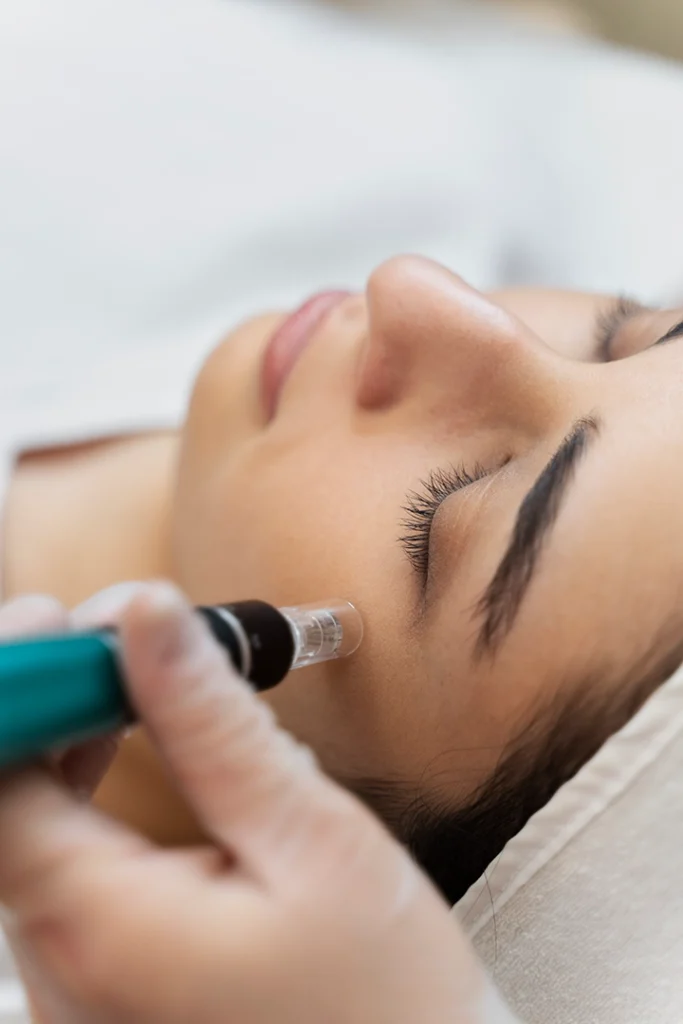
Microneedling (Collagen Induction Therapy)
Microneedling treatment creates controlled micro-injuries in the skin to stimulate a wound-healing response and collagen production. It may be considered for texture irregularities, mild acne scars, enlarged pores, and selected signs of aging. Microneedling effects develop progressively as collagen remodeling takes place.
Radiofrequency Microneedling (Potenza, Scarlet)
RF microneedling combines controlled microneedling with radiofrequency energy delivered into the dermis. Devices such as Potenza and Scarlet are designed to deliver thermal energy at selected depths, supporting collagen remodeling while targeting concerns such as texture, pores, and mild skin laxity. Treatment parameters should be customized according to skin type and treatment area.
PRP (Platelet-Rich Plasma)
PRP skin rejuvenation uses a concentrated preparation derived from the patient’s own blood. During a PRP facial or PRP treatment for the face, the preparation can be injected or applied alongside another procedure such as microneedling, depending on the treatment plan. PRP is used as an adjunctive approach to support tissue healing and collagen-related skin improvement, although results vary between individuals.
Laser Genesis for Overall Texture & Tone
Laser Genesis is a non-ablative laser treatment that uses controlled heat to target selected skin concerns while supporting collagen remodeling. It may be considered for overall texture, redness, enlarged pores, and uneven tone. Because it does not work like an ablative resurfacing treatment, its recovery profile and expected results are different from fractional CO₂ treatment.
How the Right Treatment Is Selected
The most appropriate skin rejuvenation treatment depends on the specific problem rather than the popularity of a particular machine or procedure. During consultation, Dr. Haitham evaluates the skin and considers the desired result, risk factors, recovery requirements, and whether one treatment or a staged combination would be more appropriate.
Skin Type Assessment
Concern Prioritization
Downtime Tolerance & Lifestyle
How Skin Rejuvenation Works
Different rejuvenation treatments work through different biological mechanisms. Fractional resurfacing creates controlled microscopic treatment zones that stimulate wound healing and fibroblast activity, encouraging collagen remodeling. Microneedling produces controlled mechanical micro-injuries, while RF microneedling combines mechanical stimulation with thermal energy. IPL and pigment-targeting lasers primarily interact with specific chromophores, and chemical peels work through controlled chemical exfoliation. Together, these approaches can improve the epidermal surface, dermal collagen matrix, pigmentation, and overall skin quality depending on the treatment selected.
Skin Rejuvenation for Pigmentation and Uneven Skin Tone
Pigmentation requires careful diagnosis before treatment because brown spots, post-inflammatory hyperpigmentation, melasma, and sun-induced pigmentation do not behave in the same way. IPL, PicoWay, selected laser treatments, chemical peels, and medical-grade topical regimens may have a role depending on the diagnosis. In melanin-rich skin, overly aggressive treatment can sometimes trigger additional pigmentation, making customized energy settings and consistent sun protection particularly important.
How to Prepare the Skin Before Treatment?
Preparation depends on the procedure being performed. Patients may be advised to avoid unnecessary sun exposure and tanning, use broad-spectrum sunscreen, pause certain exfoliating products or retinoids when instructed, and disclose medications or previous treatments that may affect healing. Patients prone to pigmentation may also benefit from a medically guided pre-treatment skin-care regimen. Do not stop prescription medication without discussing it with your doctor.
Skin Rejuvenation Procedure: Step-by-Step
Step 1: Consultation & Skin Assessment
Step 2: Treatment Plan Customization
Step 3: Skin Cleansing & Preparation
Step 4: Treatment Application
Step 5: Soothing & Post-Treatment Care
Step 6: Aftercare Instructions & Follow-Up
Recovery Period: What to Expect After Treatment
Recovery depends strongly on the procedure. A Hydrafacial or light superficial peel may produce little visible downtime, while RF microneedling can cause redness and mild swelling for a few days. Fractional laser resurfacing generally involves more noticeable redness, peeling, or sensitivity and requires a longer recovery period. Your expected downtime will be explained according to the exact procedure and treatment intensity rather than using a single recovery estimate for all skin rejuvenation treatments.
Aftercare Instructions for Best Results
After treatment, gentle skin care and consistent sun protection are important. Avoid picking, scratching, or aggressively exfoliating treated skin, and use the cleanser, moisturizer, and sunscreen recommended for your treatment. Active ingredients such as retinoids, acids, or exfoliants may need to be temporarily paused depending on the procedure. Follow your individualized post chemical peel or post-laser instructions carefully if one of these treatments is performed.
How Many Sessions Are Required?
The number of sessions varies according to the treatment, skin condition, and desired degree of improvement. Some patients may see a visible improvement after one session, while concerns such as acne scars, pigmentation, pores, or collagen loss may require a course of treatments.
Mild Rejuvenation: 1–3 Sessions
Moderate Concerns: 3–6 Sessions
Maintenance: Every 3–6 Months
Depends on Treatment Type & Skin Condition
When Will I Notice Results?
Some treatments provide an immediate improvement in hydration, smoothness, or radiance, while others rely on gradual collagen remodeling. After fractional laser or microneedling, improvements in texture and firmness may continue developing over several weeks as the skin undergoes remodeling. Pigmentation may also require multiple sessions and consistent sun protection. Your individual timeline depends on the procedure, severity of the concern, and response of your skin.
Is It Perfect for All Skin Types?
No single skin rejuvenation treatment is ideal for every skin type. Many procedures can be adapted for different complexions, but patients with darker or melanin-dense skin may require more conservative settings and careful treatment selection because of the increased risk of post-inflammatory hyperpigmentation. Skin type, pigmentation history, active skin conditions, and previous reactions should all be assessed before treatment.
Why Choose Dr. Haitham Al-Gzlan for Skin Rejuvenation in Riyadh?
Skin rejuvenation requires more than access to an advanced skin rejuvenation machine. The technology must be matched to the diagnosis, skin type, treatment depth, and desired outcome. Dr. Haitham Al-Gzlan takes an individualized approach that considers facial and skin anatomy, pigmentation risk, collagen remodeling, treatment intensity, and recovery requirements. The practice uses a range of technologies and procedures, allowing the treatment plan to be selected around the patient’s actual skin concerns rather than forcing every patient into the same protocol.
Skin Rejuvenation FAQs
The level of discomfort depends on the treatment. Hydrafacial and light peels are generally well tolerated, while microneedling and laser treatments may cause warmth, tingling, or temporary discomfort. Topical anesthetic can be used for selected procedures when appropriate.
Most skin rejuvenation sessions take approximately 30 to 60 minutes, although the duration depends on the procedure, treatment area, and whether multiple technologies are being combined.
This depends on the procedure. Hydrafacial and some light treatments may allow a quick return to routine activities, while RF microneedling, stronger chemical peels, and fractional laser treatments can produce redness or peeling that may be visible for several days.
The timing depends on the treatment. After gentler procedures, makeup may be resumed relatively quickly, while after microneedling, laser resurfacing, or a stronger chemical peel, your clinician may recommend waiting until the skin barrier has sufficiently recovered.
Some rejuvenation treatments may help manage melasma, but melasma requires careful diagnosis and long-term management. Aggressive laser or light treatment can sometimes worsen pigmentation, particularly in darker skin types, so treatment should be conservative and combined with appropriate sun protection and medical skin care when indicated.
Many rejuvenation procedures can be performed on darker skin when appropriately selected and carefully parameterized. However, the risk of post-inflammatory hyperpigmentation can be higher with certain lasers, IPL treatments, and aggressive resurfacing. A detailed skin assessment is therefore particularly important.
Skin rejuvenation generally refers to improving skin quality, including tone, texture, pigmentation, pores, radiance, and collagen. Anti-aging treatments are broader and can also include Botox, dermal fillers, skin tightening, and other procedures designed to address muscle activity, volume loss, or tissue laxity.
Yes, selected patients may benefit from combining skin rejuvenation with Botox or dermal fillers. These treatments address different aspects of facial aging, so combining them can sometimes create a more comprehensive plan. The timing and combination should be determined according to the treatment areas and individual needs.
The cost of skin rejuvenation in Riyadh varies according to the procedure, technology, treatment area, number of sessions, and complexity of the treatment plan. Laser resurfacing, IPL, microneedling, chemical peels, PRP, and Hydrafacial have different pricing structures, so an accurate estimate requires a consultation.
Skin rejuvenation can create lasting improvements in skin quality, but the aging process and environmental exposure continue. Sun exposure, natural collagen loss, hormonal changes, and other factors can gradually affect the skin again. A consistent skin-care routine, sun protection, and individualized maintenance treatments can help preserve the results.
Ready to Restore Your Skin’s Radiance?
If you are concerned about dullness, pigmentation, uneven texture, enlarged pores, fine lines, acne marks, sun damage, or early loss of elasticity, the right treatment starts with identifying what is actually causing the change in your skin.
Book a skin rejuvenation consultation in Riyadh with Dr. Haitham Al-Gzlan for a personalized assessment and treatment plan designed around your skin type, concerns, lifestyle, and desired results.