
Laser Treatment in Riyadh
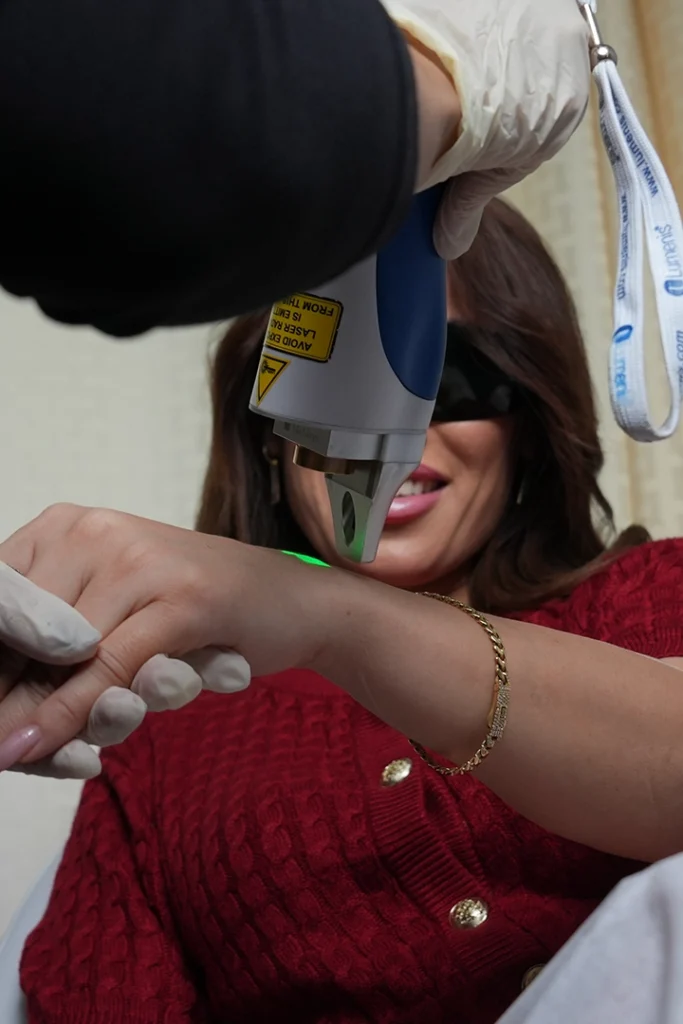
Laser treatment in Riyadh can address a wide range of skin concerns, including pigmentation, acne scars, redness, uneven texture, wrinkles, unwanted hair, tattoos, and selected signs of skin ageing. Dr. Haitham Al-Gzlan uses laser, light, and energy-based technologies according to the condition being treated, skin tone, treatment area, and individual goals. Options available through his Riyadh practice include PicoWay, Fraxel, fractional CO₂ laser, Excel V+, M22 IPL, Laser Genesis, and other advanced energy-based treatments. Some treatments target pigment or blood vessels, while others stimulate collagen, resurface damaged skin, reduce unwanted hair, or improve skin texture. The best laser treatment is therefore not one specific machine but the technology and settings most appropriate for your skin and diagnosis. Every treatment plan begins with a medical consultation and skin assessment to balance expected improvement with safe, natural-looking results.
Who Needs Laser Skin Treatment?
Laser skin treatment may be considered for people concerned about acne scars, pigmentation, redness, enlarged pores, uneven skin texture, wrinkles, sun-related changes, tattoos, or unwanted hair. Some patients seek laser treatment for the face to improve overall tone and texture, while others require highly targeted treatment for a specific vascular or pigmented concern. Laser treatment for rosacea may help selected patients with persistent redness or visible vessels, while scar treatments may encourage collagen remodeling. Dark circles, melasma, stretch marks, and other concerns require careful diagnosis because lasers are not automatically the most appropriate option. Patients with darker skin tones also require thoughtful device and parameter selection because inappropriate treatment can increase the risk of burns or post-inflammatory pigmentation. Dr. Haitham evaluates the underlying concern first and recommends laser treatment only when the expected benefits justify it.
What Is Laser Treatment?
Laser treatment uses concentrated light at specific wavelengths to target selected structures within the skin while limiting unnecessary effects on surrounding tissue. Depending on the wavelength and device, laser energy may target melanin, tattoo ink, blood vessels, water within the skin, or deeper dermal structures involved in collagen remodeling. This allows different types of laser treatments for the face and body to address very different concerns. Ablative lasers remove controlled portions of the skin surface, while non-ablative and fractional laser treatments create controlled treatment zones with varying levels of downtime. IPL uses broad-spectrum light rather than a true laser, while RF and ultrasound treatments work through different forms of energy. Dr. Haitham selects the technology according to the diagnosis rather than using one laser for every concern.

Laser Skincare Treatment Options | Targeted Care Plans
Laser skincare treatment is most effective when the device is matched to the biological target rather than selected because a particular machine is popular. Pigment, vascular redness, acne scars, tattoos, enlarged pores, unwanted hair, and skin laxity respond to different wavelengths and energy types. Some patients need an ablative fractional laser treatment, while others may benefit from PicoWay, Fraxel, Excel V+, M22 IPL, Laser Genesis, or a non-laser energy device. Skin tone, previous pigmentation, medications, sun exposure, active skin disease, and recovery preferences can all influence device selection. Combination treatment may sometimes be useful when several concerns affect the skin at the same time. Dr. Haitham creates a targeted care plan based on the skin assessment, treatment objective, and appropriate technology.
Laser Hair Removal
Laser hair removal uses light energy to target pigment within the hair follicle and achieve progressive hair reduction. Multiple sessions are usually needed because hair grows in different cycles and not every follicle responds at the same time. Device selection depends on skin tone, hair color, thickness, treatment area, and previous response. Hormonal causes of excessive hair growth may also require medical evaluation alongside laser hair treatment. Dr. Haitham selects appropriate settings to balance effective hair reduction with skin safety.
Laser Pigmentation Treatment
Laser pigmentation treatment may help selected sun spots, freckles, uneven pigmentation, and other appropriately diagnosed pigment concerns. PicoWay can target pigment with ultra-short picosecond pulses, while fractional technologies and IPL may address pigmentation alongside other skin changes. Melasma requires particular caution because heat and inflammation can sometimes worsen the condition. Treatment choice depends on pigment depth, skin tone, diagnosis, and the risk of post-inflammatory hyperpigmentation. Dr. Haitham determines whether PicoWay, fractional laser, IPL, medical skincare, or another approach is more appropriate.
Laser Acne Treatment
Active acne and acne scars are different conditions and may require different treatment strategies. Certain laser and light devices can support selected cases of inflammatory acne, redness, or residual skin changes when used alongside appropriate medical care. Once active acne is controlled, fractional laser, PicoWay, or RF microneedling may be considered for remaining acne scars. Treatment choice depends on acne type, scar pattern, skin tone, and previous therapies. Dr. Haitham evaluates the underlying condition before recommending laser treatment for acne or acne scars.
Laser Skin Rejuvenation
Laser skin rejuvenation can improve selected concerns such as uneven tone, rough texture, fine lines, enlarged pores, redness, and sun-related changes. Fraxel, PicoWay, IPL, and Laser Genesis work through different mechanisms and should not be considered interchangeable. Some technologies focus on fractional collagen remodeling, while others target pigmentation or vascular redness. Treatment selection depends on skin type, the main concern, desired intensity, and acceptable downtime. Dr. Haitham creates a personalized facial rejuvenation plan based on the changes affecting your skin.
Laser Scar Treatment
Laser treatment for scars aims to improve scar texture and appearance by stimulating controlled skin remodeling rather than completely removing the scar. Fractional CO₂, Fraxel, PicoWay, and other technologies may be considered depending on the scar type and depth. Acne scars often require different treatment approaches for rolling, boxcar, ice-pick, or tethered scars. Surgical scars and selected stretch marks may also benefit from laser or RF-based remodeling in suitable patients. Dr. Haitham assesses the scar pattern before recommending fractional laser treatment or another combination approach.
Laser & Energy-Based Skin Tightening
Skin tightening treatments use controlled energy to stimulate deeper tissue remodeling and support firmer-looking skin. Although patients often search for skin tightening laser treatment, Ultherapy, XERF, and Secret RF are ultrasound or radiofrequency technologies rather than lasers. Fractional lasers may also improve fine lines and skin quality through collagen remodeling. The most appropriate treatment depends on the degree of skin laxity, anatomical area, skin quality, and treatment goals. Dr. Haitham selects the technology according to the underlying cause of laxity rather than using one device for every patient.
Laser Tattoo Removal
PicoWay tattoo removal uses very short picosecond pulses to fragment tattoo pigment so the body can gradually clear it. The number of sessions varies according to tattoo color, depth, ink density, age, and skin tone. Complete tattoo clearance cannot always be guaranteed because different pigments and layered tattoos respond differently. Temporary redness, swelling, crusting, or pigment changes may occur during recovery. Dr. Haitham assesses the tattoo and skin type before creating an appropriate laser tattoo removal plan.
Laser Pore & Texture Treatment
Enlarged pores may become more visible because of oil production, ageing, sun damage, acne, or changes in skin texture. Fractional laser, PicoWay, Clear + Brilliant, Laser Genesis, or Secret RF may help improve the surrounding skin and make pores appear less noticeable. These treatments work through different forms of collagen remodeling and skin renewal rather than permanently removing pores. The ideal technology depends on whether texture, acne scars, oiliness, or ageing changes are the main concern. Dr. Haitham identifies the cause of visible pores before recommending treatment.
Laser Treatment for Redness & Rosacea
Vascular lasers and light-based treatments can help selected patients with persistent facial redness, visible vessels, or vascular rosacea. Excel V+, M22 IPL, and Laser Genesis may be considered depending on vessel depth, redness pattern, and skin type. These procedures target the vascular component of rosacea but do not permanently eliminate every trigger or symptom. Medical therapy, skincare, and trigger management may still form part of the treatment plan. Dr. Haitham evaluates the type of redness before choosing an appropriate technology.
Laser, Light & Energy-Based Devices Available at Our Clinic
Dr. Haitham’s Riyadh practice has access to a range of technologies so treatment can be selected according to the target rather than relying on one device. The clinic currently lists PicoWay, Fraxel, UltraPulse Fractional CO₂, Excel V+, M22 IPL, Laser Genesis, Clear + Brilliant, Secret RF, Ultherapy, XERF, and Splendor X among its technologies. These systems use different mechanisms, including ablative and non-ablative lasers, picosecond pulses, IPL, radiofrequency, microneedling, and focused ultrasound. Their applications include pigmentation, vascular redness, scars, texture, unwanted hair, tattoos, skin rejuvenation, pores, and skin laxity. Not every device is suitable for every patient, and some concerns require medical treatment rather than energy-based treatment. Dr. Haitham chooses the technology and parameters after assessing skin type, diagnosis, treatment depth, and expected recovery.

UltraPulse Fractional CO₂ Laser
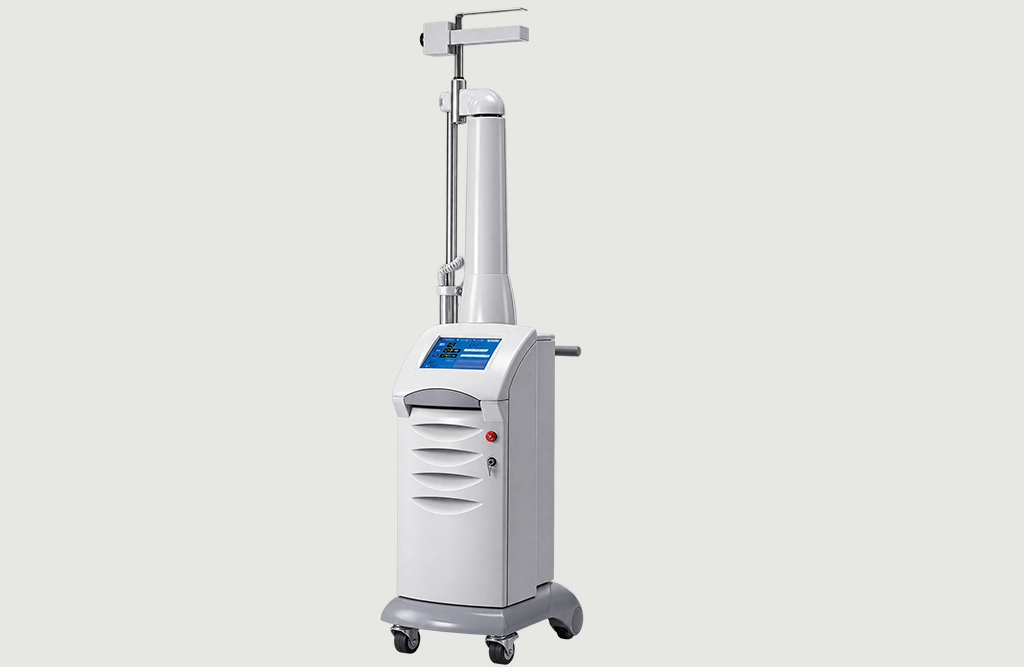
Fractional CO₂ laser is an ablative resurfacing treatment that creates controlled microscopic treatment zones within the skin. It may improve deeper acne scars, surgical scars, wrinkles, sun damage, and significant texture irregularities. The treatment also stimulates collagen remodeling as the skin heals. Recovery is usually more noticeable than with gentler non-ablative laser treatments and can include redness, peeling, or crusting. Dr. Haitham assesses skin tone, scar history, pigmentation risk, and treatment goals before recommending fractional CO₂ laser treatment.
Fraxel Laser
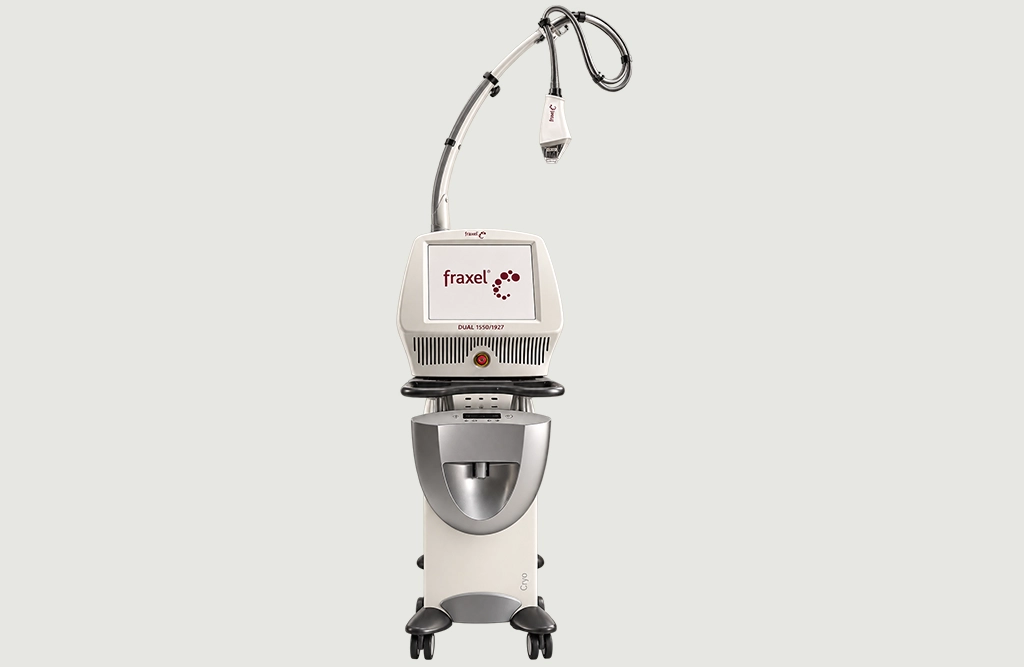
Fraxel is a fractional resurfacing laser and is different from fractional CO₂ laser treatment. It creates microscopic treatment zones that stimulate skin renewal while leaving surrounding tissue available to support healing. Fraxel may improve acne scars, fine lines, pigmentation, sun damage, and uneven skin texture. Temporary redness, swelling, dryness, darkening, or peeling can occur during Fraxel laser recovery. Dr. Haitham selects treatment depth and settings according to the patient's skin type and desired results.
PicoWay Laser
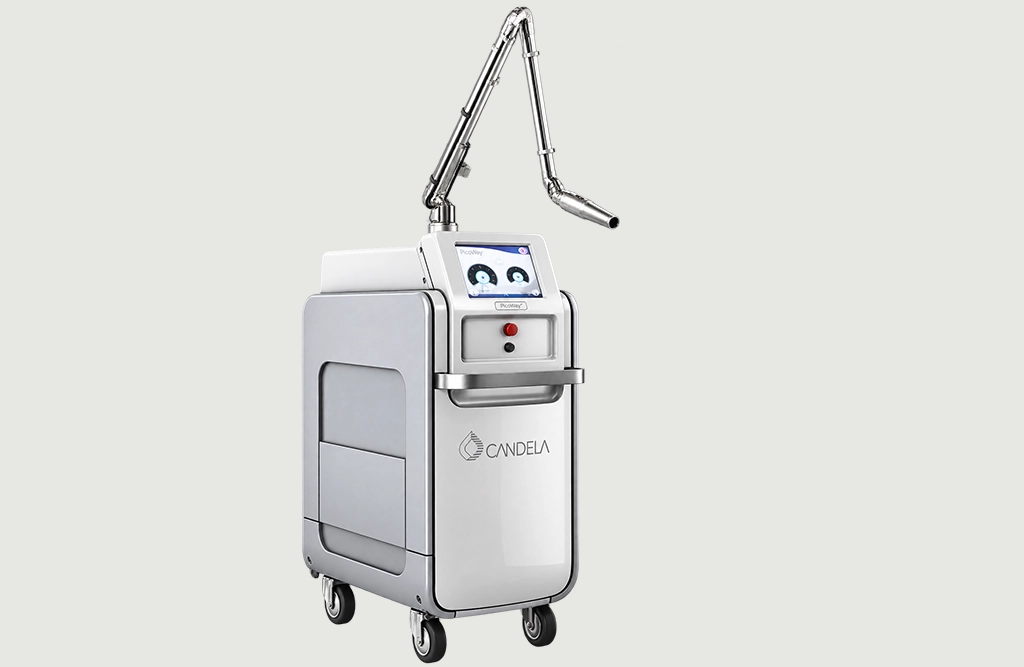
PicoWay is a picosecond laser that delivers extremely short energy pulses for selected pigmentation, tattoo, scar, and rejuvenation treatments. Different wavelengths and handpieces allow the device to target different pigment colors and depths. PicoWay Resolve can also create fractional effects below the skin surface to stimulate collagen remodeling. The technology may be suitable for a range of skin tones when appropriate settings and wavelengths are selected. Dr. Haitham determines whether PicoWay laser treatment matches the patient's concern and skin characteristics.
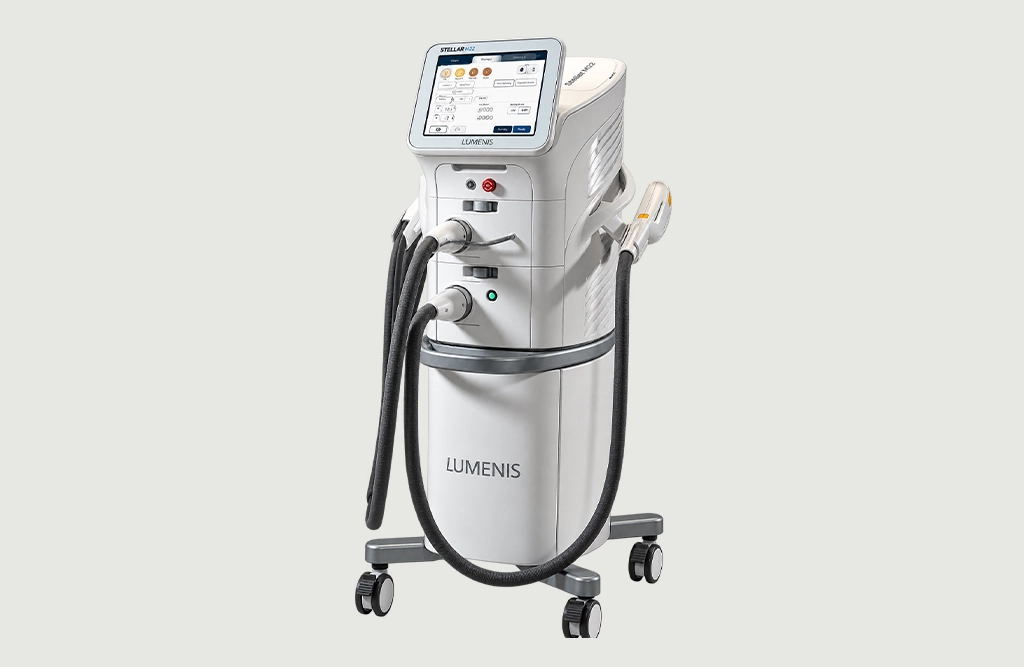
M22 IPL & Resurfacing Platform
M22 is a multi-application platform that includes intense pulsed light and other treatment technologies depending on its configuration. M22 IPL may be used for selected pigmentation, redness, vascular changes, and photorejuvenation concerns. Its ResurFX technology provides fractional non-ablative resurfacing for scars, wrinkles, texture, and selected pigmentation changes. Treatment settings need careful adjustment because IPL interacts strongly with melanin and vascular targets. Dr. Haitham selects the appropriate M22 treatment according to the patient's skin tone and diagnosis.
Excel V+ Vascular Laser
Excel V+ uses 532 nm and 1064 nm wavelengths to treat selected vascular, pigmentary, and skin concerns. It may be considered for rosacea, diffuse redness, facial vessels, benign pigmentation, and other appropriate conditions. Different wavelengths allow treatment at different depths depending on the target. Temporary redness, swelling, purpura, crusting, or pigment changes may occur after treatment. Dr. Haitham determines whether Excel V+, IPL, or another technology is more appropriate for the specific vascular concern.
Laser Genesis
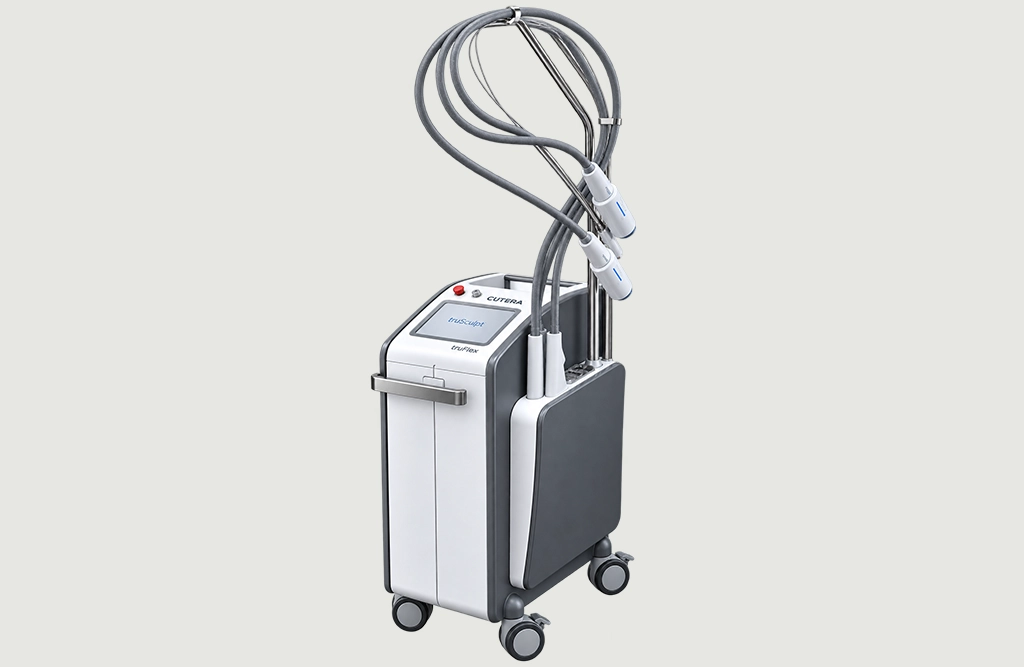
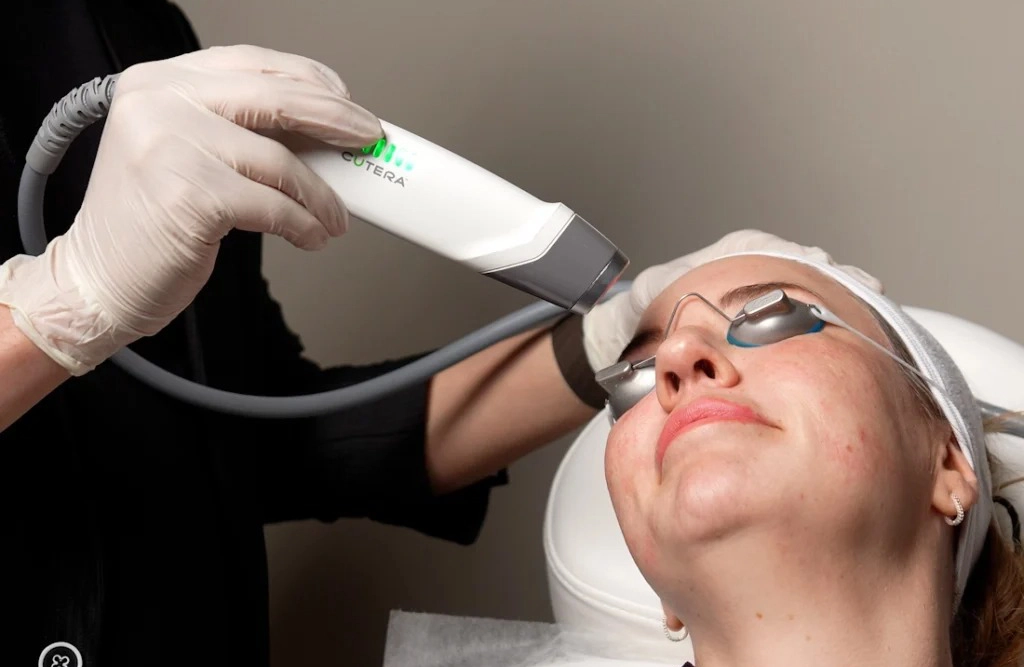
Laser Genesis is a non-ablative 1064 nm Nd:YAG laser treatment designed to support gradual skin rejuvenation. Controlled dermal heating can stimulate collagen remodeling while improving selected fine lines, redness, uneven texture, and visible pores. It does not remove the skin surface, so recovery is generally lighter than with ablative resurfacing procedures. Multiple sessions may be recommended because results develop progressively. Dr. Haitham may consider Laser Genesis when patients want gradual skin-quality improvement with limited downtime.
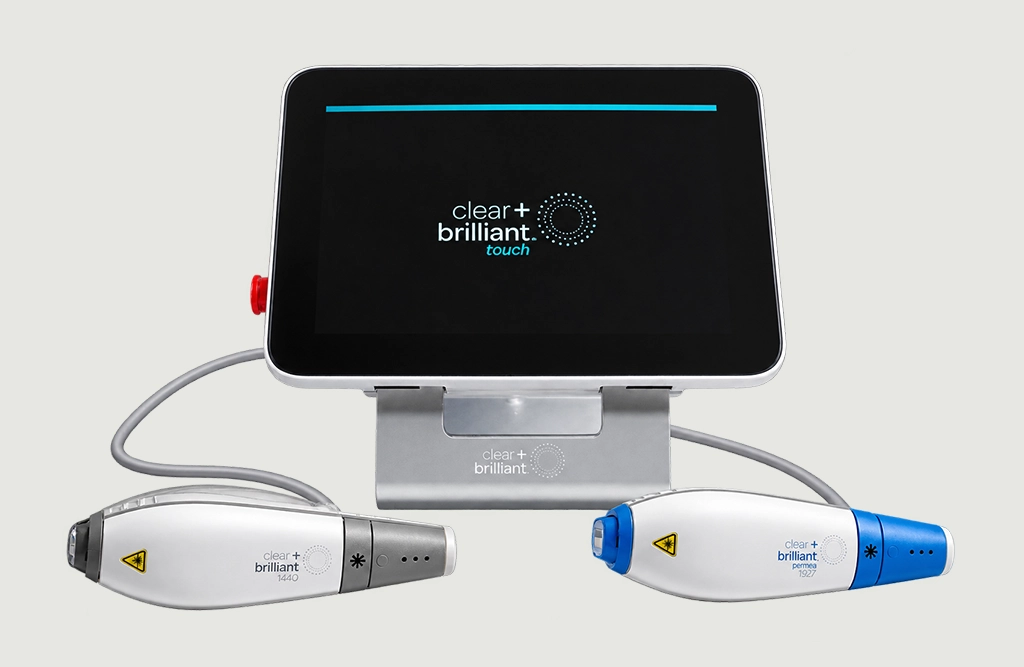
Clear + Brilliant Fractional Laser
Clear + Brilliant is a gentle fractional laser designed to create microscopic treatment zones that support skin renewal. It may improve early signs of ageing, dullness, uneven texture, and the visible appearance of pores. Treatment is generally less intensive than deeper fractional resurfacing procedures. Several sessions may be recommended because results develop progressively rather than from one aggressive treatment. Dr. Haitham assesses skin type and pigmentation tendency before recommending Clear + Brilliant laser treatment.
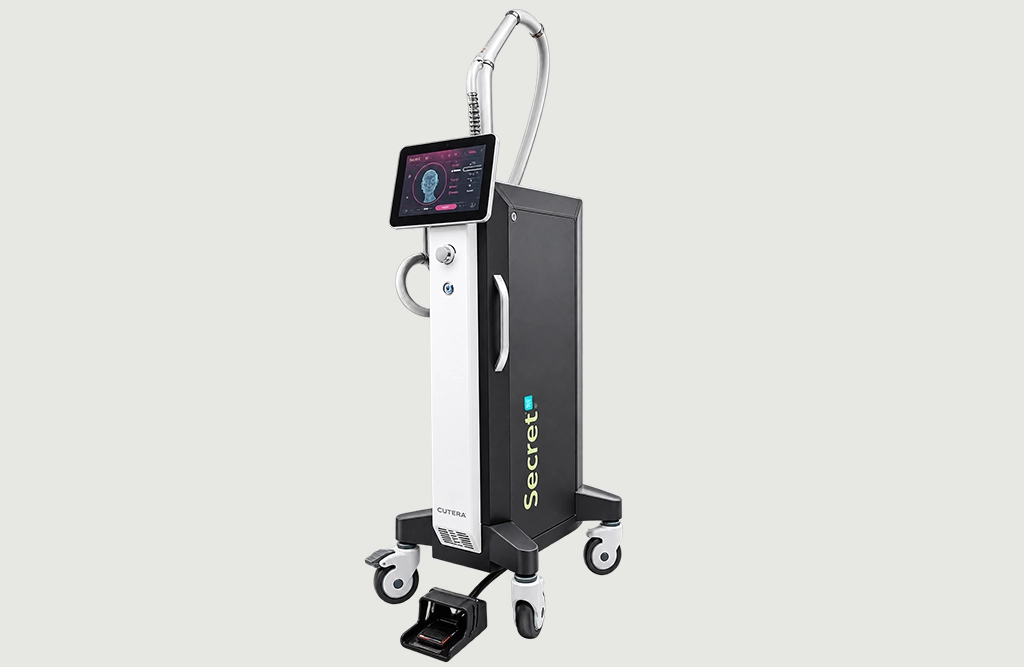
Secret RF Microneedling
Secret RF combines microneedling with radiofrequency energy and is not a true laser treatment. The microneedles deliver controlled RF energy at selected depths to stimulate collagen remodeling. It may help improve acne scars, stretch marks, enlarged pores, fine lines, and uneven skin texture. Temporary redness, swelling, tenderness, or pinpoint crusting can occur during recovery. Dr. Haitham may recommend Secret RF alone or alongside laser treatment depending on the skin concern.
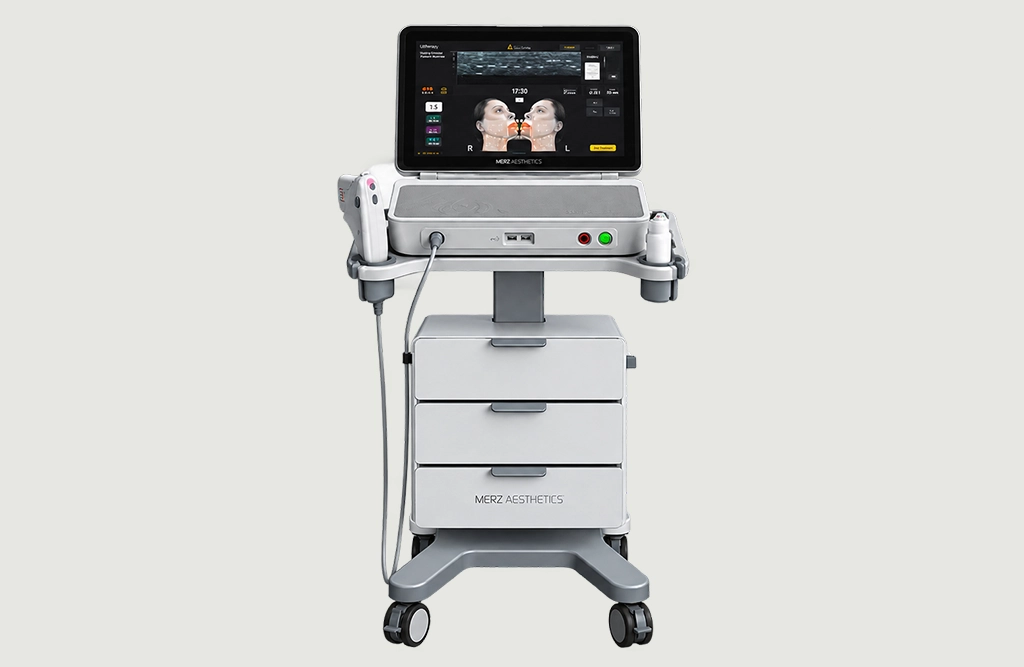
Ultherapy Ultrasound Skin Tightening
Ultherapy uses focused ultrasound energy rather than laser energy to stimulate deeper tissue remodeling. It may be considered for skin laxity affecting areas such as the face, jawline, neck, and décolletage. The treatment works beneath the skin surface without ablative resurfacing. Temporary redness, swelling, tenderness, or discomfort can occur after the procedure. Dr. Haitham assesses skin laxity and facial anatomy before determining whether Ultherapy treatment is appropriate.
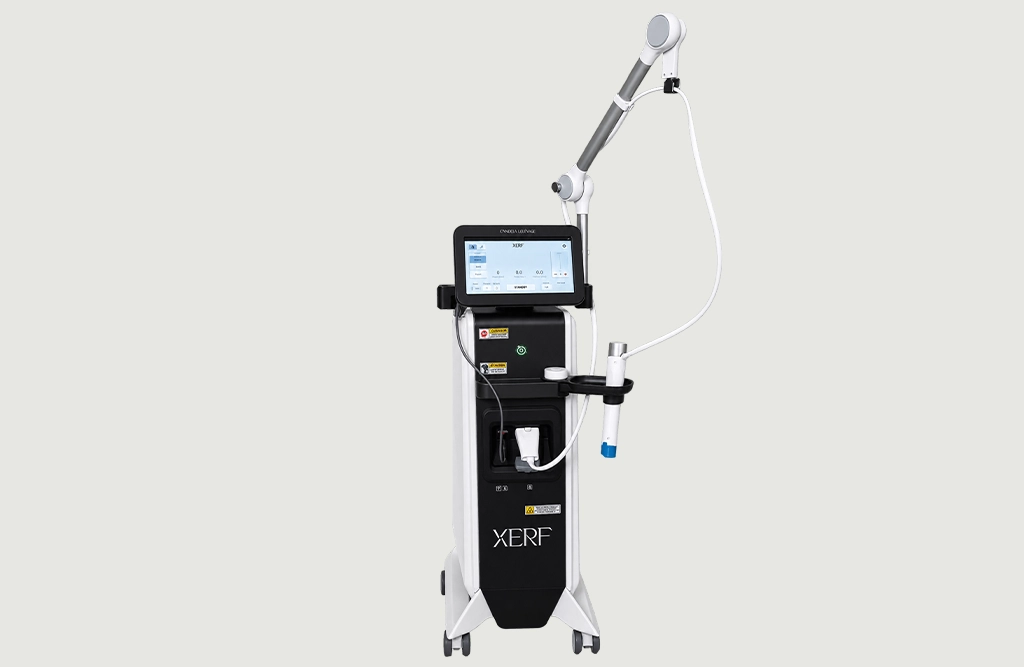
XERF Radiofrequency Skin Tightening
XERF is a non-invasive monopolar radiofrequency treatment designed to deliver heat into deeper tissue layers. The treatment supports collagen remodeling and may improve selected areas of skin laxity and facial definition. Unlike Secret RF, XERF does not rely on microneedles to deliver radiofrequency energy. It is therefore different from resurfacing lasers even though patients may encounter it when researching lifting treatments. Dr. Haitham evaluates the degree of laxity and treatment area before recommending XERF treatment.
Benefits of Laser Skincare Treatments
Laser and energy-based treatments offer the ability to target specific structures in the skin rather than applying the same treatment to every concern. Depending on the device, treatment may improve pigmentation, redness, acne scars, wrinkles, pores, uneven texture, unwanted hair, tattoos, or selected areas of skin laxity. Fractional technologies can stimulate collagen remodeling, while vascular lasers target blood vessels and picosecond devices target pigment or tattoo ink. Treatments can also be customized according to skin tone, treatment depth, anatomical area, and desired recovery period. Many procedures are non-surgical, although the amount of downtime ranges from minimal with gentler technologies to more significant healing after ablative CO₂ resurfacing. The main benefit comes from selecting the correct technology and parameters for the diagnosis rather than simply using the strongest device available.
Pre-Care Tips for Laser Skincare Treatments
Preparation varies according to the laser, skin type, and condition being treated, so follow the instructions provided during your consultation. Tell Dr. Haitham about medications, supplements, skincare products, pregnancy, previous procedures, history of cold sores, abnormal scarring, and recent tanning or sunburn. Strong sun exposure before treatment can increase the risk of burns or unwanted pigmentation, particularly with resurfacing and pigment-targeting procedures. Certain retinoids, exfoliating acids, or photosensitizing products may need to be adjusted before some treatments, but prescribed medicines should never be stopped without medical guidance. Active infection, significant inflammation, or a fresh tan may require treatment to be postponed. Consistent sun protection before and after laser treatment is especially important for reducing preventable pigment changes.
Laser Treatment Procedure | Advanced Care, Step-by-Step
A laser treatment session begins with confirming the diagnosis, technology, settings, and treatment area rather than moving directly to device application. Dr. Haitham reviews any changes in medications, health, sun exposure, or skin condition that could affect safety. The skin is prepared and protective measures are used according to the laser or energy device being performed. Treatment parameters are selected according to skin tone, target depth, indication, and previous response when applicable. Cooling, numbing, or other comfort measures may be incorporated depending on treatment intensity. The session ends with immediate skin assessment, recovery guidance, and a follow-up plan based on the procedure performed.
Step 1: Comprehensive Consultation & Skin Assessment
Your consultation begins by identifying the skin concern and determining whether laser treatment is appropriate. Dr. Haitham evaluates skin type, tone, texture, pigmentation, scars, redness, laxity, and any active dermatological conditions. Medical history, medications, previous laser treatments, sun exposure, and pigmentation tendency are also reviewed. The expected results, downtime, risks, and likely number of sessions are then discussed. This assessment allows the treatment plan to be based on your skin rather than simply choosing a machine by name.
Step 2: Personalized Treatment Plan & Device Selection
The treatment device is selected according to the structure or condition that needs to be targeted. Pigmentation may require PicoWay or IPL, vascular redness may need Excel V+, and scars may respond to fractional laser or RF microneedling. Skin laxity can sometimes be treated more appropriately with ultrasound or radiofrequency technologies. Skin tone, recovery preferences, previous treatments, and treatment intensity are also considered. Dr. Haitham then selects suitable technology and treatment parameters for the patient’s needs.
Step 3: Skin Cleansing & Preparation
Before treatment, makeup, sunscreen, skincare products, and surface debris are removed from the treatment area. The skin is cleansed and may be marked when precise targeting is required. Baseline photographs may also be taken for pigmentation, scars, vascular lesions, or texture concerns. Appropriate eye protection is used during laser procedures to protect against direct or reflected energy. Dr. Haitham reassesses the skin before treatment to confirm there is no new irritation, infection, or sunburn.
Step 4: Numbing Cream Application
Not every laser treatment requires numbing because discomfort varies between technologies and treatment depths. A topical anesthetic may be used before fractional laser, CO₂ resurfacing, RF microneedling, or other more intensive procedures. Gentler treatments such as Laser Genesis may require little or no topical numbing. Cooling systems or cold air can also help improve comfort during some treatments. Dr. Haitham chooses comfort measures according to the device, treatment area, and patient sensitivity.
Step 5: Laser Application & Precision Targeting
The selected device delivers energy using parameters customized for the patient’s skin and treatment goal. Pigment lasers target melanin or tattoo particles, vascular lasers target blood vessels, and fractional lasers create controlled microscopic treatment zones. Wavelength, pulse duration, treatment depth, energy level, and number of passes vary between devices. Patients may feel warmth, snapping, pressure, or mild prickling during the procedure. Dr. Haitham monitors the skin response throughout treatment and adjusts the settings when necessary.
Step 6: Cooling & Soothing Post-Laser
After treatment, the skin is assessed for the expected immediate reaction. Cooling may be used to reduce temporary warmth, redness, swelling, or discomfort. A gentle moisturizer, protective ointment, or soothing product may also be recommended depending on the procedure. Ablative treatments require different recovery care from PicoWay, IPL, or non-ablative laser treatments. Dr. Haitham provides instructions based specifically on the technology and treatment intensity used.
Step 7: Aftercare Instructions & Follow-Up Plan
Aftercare instructions explain cleansing, moisturizing, sun protection, activity, makeup, and temporary skincare restrictions. You are also told which temporary reactions such as redness, swelling, darkening, or flaking may occur. Warning signs such as severe pain, significant blistering, infection, or unexpected pigment changes should be reported promptly. Follow-up timing depends on the device, condition treated, and healing process. Additional sessions are planned only after the skin has had appropriate time to recover and respond.
Post-Treatment Care & Recovery Guidelines
Laser recovery varies substantially because a gentle non-ablative procedure does not heal like fractional CO₂ resurfacing or tattoo removal. Mild redness, swelling, warmth, or tenderness may occur after many treatments, while stronger resurfacing can also cause peeling, crusting, or temporary darkening. Good aftercare focuses on protecting the healing skin barrier, avoiding unnecessary irritation, and reducing sun exposure. Sunscreen, gentle cleansing, appropriate moisturizers, and temporary changes to active skincare may be recommended according to the procedure. Picking, scratching, or manually removing peeling skin can increase inflammation, pigmentation, infection, or scar risk. Follow the specific instructions given for your treatment instead of applying one generic laser-recovery routine to every device.
Immediate Aftereffects: Redness, Swelling & Mild Discomfort
Temporary redness, swelling, warmth, or mild tenderness can occur immediately after many laser treatments. The intensity varies according to the wavelength, energy level, skin type, treatment area, and procedure depth. Non-ablative treatments usually create a lighter reaction than aggressive fractional CO₂ resurfacing. Cooling or approved soothing products may be recommended for temporary comfort. Severe pain, blistering, unusual discoloration, or rapidly worsening symptoms should be reported to the clinic.
Days 1–3: Darkening, Flaking or Crusting
Some pigment and resurfacing treatments can cause temporary darkening, dryness, fine crusting, or flaking during the first few days. Tattoo removal may also produce localized redness, swelling, crusting, or pinpoint bleeding. These reactions vary according to the device and treatment intensity. Treated skin should be allowed to heal naturally instead of being scrubbed or picked. Use only the cleansing and skincare products recommended during your aftercare consultation.
Days 4–7: Healing & Peeling Phase
Some fractional laser treatments produce visible peeling or flaking as the treated skin renews. Fraxel recovery may involve several days of dryness and peeling, while fractional CO₂ can require a longer healing period. Continue gentle cleansing, appropriate moisturizing, and careful sun protection during this stage. Avoid manually removing peeling skin because this can increase irritation and pigmentation risk. Contact the clinic if you develop worsening pain, discharge, infection, or delayed healing.
Weeks 2–4 & Beyond: Skin Remodeling and Results
Surface improvements may appear after the initial redness or peeling settles, while collagen remodeling continues for longer. Fractional laser, PicoWay Resolve, Laser Genesis, and RF treatments can produce progressive changes over several weeks or months. Acne scars and deeper texture concerns often require more time and multiple treatment sessions. Results should therefore be assessed according to the biological timeline of the procedure rather than immediately after treatment. Dr. Haitham reviews progress during follow-up and determines whether another session is appropriate.
Daily Sun Protection After Laser Treatment
Sun protection is essential after laser treatment because recently treated skin can be more vulnerable to pigmentation changes. Use broad-spectrum sunscreen according to your dermatologist’s instructions and reapply during daytime exposure when needed. Physical shade, protective clothing, and avoiding unnecessary direct sun are especially useful in Riyadh’s strong sunlight. Pigmentation-prone patients may need additional photoprotection strategies depending on their diagnosis. Consistent sun protection helps protect healing skin and maintain treatment results.
Avoid Excessive Heat During Early Recovery
Heat can increase temporary redness, swelling, and discomfort after some laser procedures. You may be advised to avoid saunas, steam rooms, very hot showers, strenuous exercise, or prolonged heat exposure during early recovery. The restriction period depends on the treatment intensity and how quickly your skin settles. Gentler non-ablative procedures may require fewer precautions than fractional CO₂ resurfacing. Follow the specific recovery instructions provided for your procedure.
Pause Irritating Exfoliants & Retinoids When Advised
Retinoids, exfoliating acids, abrasive scrubs, and similar active products can irritate healing skin after laser treatment. Some products may need to be paused before treatment and restarted only after the skin barrier has recovered. The appropriate timing differs between PicoWay, IPL, Fraxel, CO₂ laser, and other procedures. Prescription products should only be changed according to medical advice. Dr. Haitham will explain when you can safely restart your regular skincare routine.
Keep the Skin Hydrated with Gentle Moisturizers
Healing skin can temporarily become dry, tight, flaky, or sensitive after laser treatment. A gentle moisturizer can support the skin barrier and improve comfort when appropriate for the procedure. Avoid introducing fragranced products, strong acids, or unnecessary active ingredients during recovery. More aggressive ablative laser treatments may require specific ointments instead of a standard moisturizer. Use the skincare products recommended for your individual treatment.
Do Not Pick or Scratch Treated Skin
Picking crusts, peeling skin, or darkened pigment can interfere with natural healing after laser treatment. Forced removal may increase inflammation and raise the risk of infection, pigmentation changes, or scarring. Allow peeling and crusting to resolve naturally while following the recommended skincare routine. This is particularly important after fractional resurfacing and pigment-targeting procedures. Contact the clinic if the treated skin becomes unusually painful, itchy, or abnormal instead of scratching it.
Laser Treatment for Darker Skin Tones
Laser treatment can be performed in patients with darker and melanin-rich skin, but device selection and settings require particular care. Melanin can absorb some laser wavelengths, which can increase the risk of burns, post-inflammatory hyperpigmentation, or unwanted lightening when treatment parameters are inappropriate. Technologies such as 1064 nm Nd:YAG, PicoWay, selected fractional systems, and RF microneedling may be considered depending on the diagnosis. A history of melasma or post-inflammatory pigmentation should also influence treatment planning. Conservative settings, careful skin assessment, and appropriate sun protection are especially important. Dr. Haitham selects the treatment according to both the condition and the patient’s skin tone.
Why Choose Dr. Haitham Al-Gzlan for Laser Treatment in Riyadh?
Dr. Haitham Al-Gzlan is a Consultant Dermatologist and Aesthetic Physician practicing in Riyadh with a clinical focus that includes laser dermatology and aesthetic medicine. His approach considers skin type, diagnosis, medical history, pigmentation tendency, treatment depth, and individual goals before selecting a device. Patients have access to multiple technologies including PicoWay, Fraxel, Excel V+, M22 IPL, fractional CO₂, Laser Genesis, Secret RF, Ultherapy, XERF, and Clear + Brilliant. Having several technologies makes it possible to match treatment more closely to concerns such as scars, pigmentation, redness, texture, pores, or skin laxity. Treatment planning focuses on selecting the appropriate technology rather than using one machine for every patient. This dermatologist-led approach supports personalized care for patients seeking laser treatment in Riyadh.
Laser Treatment FAQs
Comfort varies according to the device and treatment depth, ranging from mild warmth or snapping to stronger heat during resurfacing. Cooling, topical numbing, or other comfort measures may be used when appropriate.
Session time depends on the device, treatment area, and procedure; some targeted treatments are brief while full-face resurfacing takes longer. Your expected appointment length is explained once the treatment plan is selected.
Some non-ablative treatments have minimal visible recovery, while fractional CO₂ or stronger resurfacing may require several days of noticeable healing. Your return-to-work timing depends on the procedure.
Makeup timing depends on how quickly the skin barrier recovers after your treatment. Dr. Haitham will advise when makeup can safely be applied again.
Selected laser treatments can be used on darker skin when the wavelength, energy, and technique are chosen carefully. Incorrect settings may increase the risk of burns or pigmentation changes.
Yes, inappropriate heat or inflammation can worsen pigmentation in susceptible patients. Melasma therefore requires careful diagnosis, sun protection, and individualized treatment planning.
Laser hair removal provides long-term hair reduction rather than guaranteeing permanent removal of every hair. Hormonal changes and new hair growth may make occasional maintenance sessions necessary.
Scarring is possible but should not be expected after properly performed laser tattoo removal. Risk depends on the tattoo, skin response, settings, previous scarring, and aftercare.
Picosecond lasers deliver pulses measured in picoseconds, while traditional Q-switched lasers generally use longer nanosecond pulses. Both can target pigment and tattoo ink but differ in pulse characteristics and available wavelengths.
Yes, but the sequence and treatment interval should be planned carefully. Dr. Haitham determines timing according to the laser, injectable, peel depth, treatment area, and recovery requirements.
Possible complications include persistent pigment changes, scarring, textural changes, or prolonged redness. Appropriate patient selection, device settings, and aftercare can reduce risk but cannot eliminate it completely.
Use consistent sun protection, follow an appropriate skincare routine, and manage underlying conditions such as acne, rosacea, or melasma. Maintenance procedures depend on the original concern and treatment response.
Contact your treating dermatologist so the skin can be examined after an appropriate healing period. The next step depends on whether the concern involves incomplete improvement, pigmentation, scarring, or another reaction.
The number of sessions depends on the device, diagnosis, severity, skin response, and treatment goal. Tattoo removal, hair reduction, scars, pigmentation, and rejuvenation all require different schedules.
No. Fractional describes the pattern of treatment, while different laser wavelengths can be delivered fractionally. Fraxel is generally non-ablative, while fractional CO₂ is an ablative resurfacing treatment.
Yes, fractional CO₂, Fraxel, PicoWay, and other technologies can improve selected acne scars through resurfacing or collagen remodeling. Scar type and depth determine the most suitable treatment.
Vascular lasers and light-based treatments can reduce selected redness and visible vessels associated with rosacea. Medical treatment and trigger management may still be needed.
Fractional lasers and RF microneedling may improve the texture and appearance of selected stretch marks, but complete removal cannot be guaranteed. Treatment depends on the age, color, and location of the stretch marks.
There is no single best facial laser because pigmentation, redness, scars, wrinkles, pores, and laxity involve different targets. The best option is the technology matched to your diagnosis, skin tone, and goals.
Schedule Your Laser Consultation with Dr. Haitham in Riyadh
If you are considering laser treatment in Riyadh, the first step is identifying the exact skin concern and selecting a technology that matches it. Dr. Haitham Al-Gzlan provides dermatologist-led assessment for pigmentation, acne scars, redness, rosacea, skin texture, wrinkles, enlarged pores, unwanted hair, tattoos, and selected skin-tightening concerns. Depending on your skin, the treatment plan may involve PicoWay, Fraxel, fractional CO₂, Excel V+, M22 IPL, Laser Genesis, Clear + Brilliant, Secret RF, Ultherapy, XERF, or another appropriate option. Your consultation covers the expected results, likely number of sessions, recovery, risks, alternatives, and skincare needed around treatment. The aim is to use technology selectively rather than performing a laser procedure simply because it is popular. Book your laser consultation in Riyadh with Dr. Haitham to receive a personalized treatment plan based on your skin type, diagnosis, and treatment goals.
