
What Is Melasma?
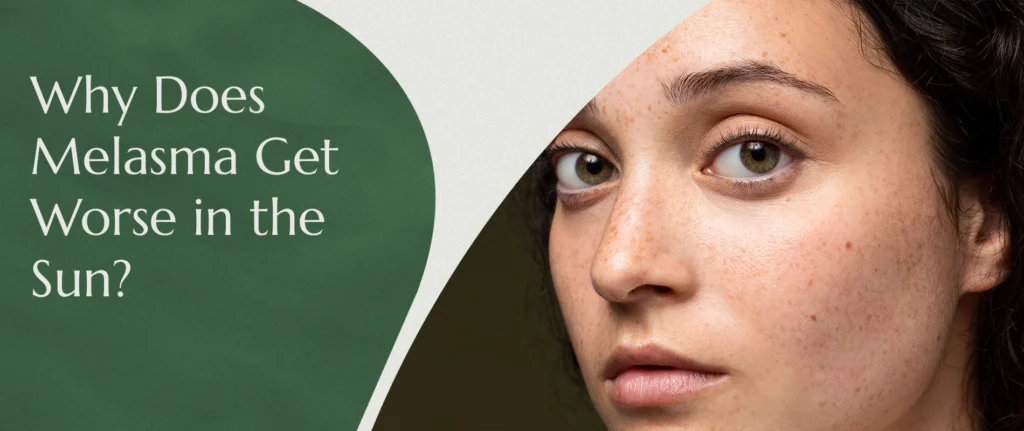
Melasma is a chronic acquired pigmentation disorder that causes brown, dark-brown, or grey-brown patches on the skin. It occurs when melanocytes become more active and produce increased amounts of melanin within affected areas. The condition most commonly appears on sun-exposed facial skin, particularly the cheeks, forehead, nose, temples, chin, and area above the upper lip. Melasma often develops on both sides of the face in a relatively symmetrical pattern rather than appearing as one isolated spot. Sunlight, visible light, pregnancy, hormonal changes, genetic susceptibility, skin phototype, and certain medications can all influence its development. Melasma is medically benign, but it can persist for years and repeatedly become darker when triggers return. This chronic and recurrent behavior makes it different from many individual sun spots that develop after cumulative UV damage.What Melasma Looks Like
Melasma usually appears as flat, irregular areas of brown or grey-brown pigmentation rather than raised or rough skin lesions. The patches commonly involve both cheeks, the forehead, nose, upper-lip area, or jawline in a relatively symmetrical distribution. Melasma itself generally does not itch, bleed, crust, or cause pain. Pigmentation that is raised, scaly, rapidly changing, bleeding, or significantly different from surrounding marks should be assessed rather than assumed to be melasma.Why Melasma Is Different From Ordinary Sun Damage
Melasma should not be confused with solar lentigines, commonly called sun spots, liver spots, or age spots. Solar lentigines are usually individual, relatively well-defined brown lesions caused mainly by cumulative ultraviolet exposure, while melasma tends to form broader symmetrical patches influenced by light, hormones, genetics, and other factors. Sun spots often persist throughout the year, whereas melasma may fluctuate more noticeably with changes in light exposure and other triggers. This distinction matters because a treatment suitable for an isolated solar lentigo may not be appropriate for recurrent melasma and can sometimes aggravate pigmentation when used without the correct diagnosis.Why Sun Exposure Makes Melasma Worse
Sunlight contains several wavelengths capable of influencing pigmentation pathways within the skin. UVB primarily affects the epidermis, while UVA penetrates more deeply and contributes to oxidative stress, photoaging, inflammation, and pigment signaling. Visible light can also stimulate persistent pigmentation, particularly in people with medium-to-darker skin tones. In melasma-prone skin, these signals can activate already responsive melanocytes and increase melanin production. This can darken existing patches, contribute to new visible pigmentation, and promote recurrence after successful treatment. Standard SPF values mainly indicate protection against UVB-related sunburn and do not by themselves describe protection from visible light. Effective melasma photoprotection therefore needs to consider broad-spectrum UV protection, visible-light exposure, and the amount of sunlight encountered during everyday life.Ultraviolet Light Stimulates Melanin Production
Ultraviolet radiation stimulates melanocytes as part of the skin’s natural response to solar exposure. In melasma-prone skin, this stimulation can increase melanogenesis and make already pigmented patches appear darker. UV exposure also contributes to inflammation, oxidative stress, and photoaging changes that may help maintain the abnormal pigment response. Repeated exposure can therefore influence both the initial appearance of melasma and its tendency to recur.How UVA and UVB Activate Pigment-Producing Cells
UVB acts strongly within the epidermis and stimulates pigment production through melanocytes and signaling from surrounding keratinocytes. UVA reaches more deeply into the skin and contributes to oxidative stress, persistent pigment darkening, dermal photoaging, and inflammatory signaling. The two wavelengths affect the skin differently, but both contribute to the biological effects of solar radiation. This is why broad-spectrum protection covering both UVA and UVB is more relevant to melasma than choosing sunscreen based only on its SPF number.Visible Light Can Also Worsen Pigmentation
Visible light from the sun can stimulate pigmentation independently of ultraviolet radiation, particularly in darker skin phototypes. High-energy blue-violet wavelengths are among the visible wavelengths studied for their ability to produce persistent melanogenesis. A randomized melasma trial found better improvement when sunscreen protected against both UV and visible light using iron oxide compared with otherwise similar UV-only protection. This evidence supports using tinted iron-oxide-containing sunscreen as part of photoprotection for people prone to melasma.Heat and Infrared Exposure May Aggravate Melasma
Some patients report melasma becoming darker after frequent exposure to intense heat, and occupational heat exposure has been associated with greater melasma severity. Heat and infrared radiation can influence blood vessels, oxidative stress, inflammatory signaling, and other processes that may affect melanogenesis. However, systematic research specifically proving solar infrared radiation as a major independent melasma trigger remains limited compared with evidence for UV and visible light. Heat should therefore be considered a possible aggravating factor rather than presented as an equally established cause of melasma.Sun Exposure Can Undo Treatment Progress
Melasma treatment can reduce existing pigmentation without permanently changing the skin’s underlying susceptibility to pigment production. Renewed sunlight can reactivate melanocytes and contribute to new melanin formation after patches have become lighter. This is one reason pigmentation may return after hydroquinone, topical combinations, peels, microneedling, or selected energy-based procedures. Photoprotection should therefore continue after visible improvement rather than ending once treatment appears successful.Why Melasma Often Flares in Summer
Melasma commonly becomes more noticeable during periods of increased sunlight because the cumulative dose of UV and visible light rises. Longer days and more outdoor activities can increase exposure even when a person is not intentionally sunbathing. Walking, driving, exercising, shopping, travelling, and sitting outdoors can all add small amounts of light exposure throughout the day. Sweating, swimming, wiping the face, and friction can also reduce the amount of sunscreen remaining evenly on the skin. Summer therefore combines greater potential exposure with practical challenges in maintaining adequate photoprotection. In Riyadh, strong solar exposure means these considerations can remain relevant beyond a short traditional summer season. Seasonal melasma control is therefore less about avoiding normal life outdoors and more about consistently reducing unnecessary cumulative light exposure.Stronger Sunlight and Longer Daylight Hours Increase Exposure
Periods of stronger sunlight increase the amount of solar radiation reaching unprotected skin during outdoor activity. Longer daylight hours can also increase the total time available for incidental exposure across an ordinary day. Pigment production can be stimulated even when exposure is not intense enough to cause visible sunburn. Melasma can therefore become darker without the patient remembering one obvious episode of excessive sun exposure.More Time Outdoors Often Means More UV and Visible-Light Exposure
Summer holidays, exercise, travel, outdoor dining, and recreational activities often increase the amount of time people spend exposed to sunlight. This greater cumulative exposure can stimulate both ultraviolet- and visible-light-related pigmentation pathways. Ordinary blue light from phones and computer screens should not be confused with solar visible light because current evidence does not identify normal electronic-device exposure as an established melasma hazard. Outdoor sunlight remains the much more important target when planning visible-light protection.Heat, Sweating, and Sunscreen Wearing Off Can Reduce Protection
Sweating does not prove that heat itself is causing a melasma flare, but it can make effective sunscreen coverage harder to maintain. Sweat, water, towels, touching the face, and prolonged activity can gradually disrupt the protective sunscreen film. Dermatologists recommend reapplying sunscreen approximately every two hours while outdoors and after swimming or sweating according to the product instructions. A water-resistant sunscreen can be useful during hot weather, but it still requires appropriate reapplication.Why Riyadh’s Intense Sun Makes Daily Photoprotection Especially Important
People living in Riyadh experience frequent bright sunlight and substantial opportunities for cumulative solar exposure during ordinary daily activities. Driving, commuting, walking between buildings, exercise, and outdoor errands can contribute even when a person does not intentionally spend hours in direct sun. UVA can also pass through window glass to varying degrees, while ordinary glass generally blocks most UVB, making prolonged time beside sunny windows or in vehicles relevant for some patients. Consistent photoprotection is therefore particularly useful for patients in Riyadh who notice that melasma repeatedly becomes darker despite successful treatment.What Else Can Trigger or Worsen Melasma?
Sunlight is one of the strongest environmental factors affecting melasma, but the condition develops through several interacting influences. Hormonal changes associated with pregnancy, contraception, or hormone therapy are particularly important in susceptible women. Genetics helps determine why one person develops melasma after light exposure while another person with similar exposure does not. Certain medications can also contribute directly or through increased photosensitivity. Inflammation and skincare irritation may intensify pigmentation in skin that already has an active melanocyte response. Stress and environmental exposures have also been studied, although their roles are less firmly established than those of light and hormones. This multifactorial biology explains why sunscreen is essential but cannot guarantee complete prevention of every melasma flare.Hormonal Changes
Pregnancy-related hormonal changes are strongly associated with melasma, which is why the condition has historically been called the “mask of pregnancy.” Hormonal contraceptives and hormone replacement therapy may also trigger or aggravate pigmentation in susceptible individuals. Hormones can increase melanocyte sensitivity while sunlight provides an additional stimulus for pigment production. Patients should not stop prescribed hormonal medication because of melasma without discussing the medical implications and available alternatives with the prescribing clinician.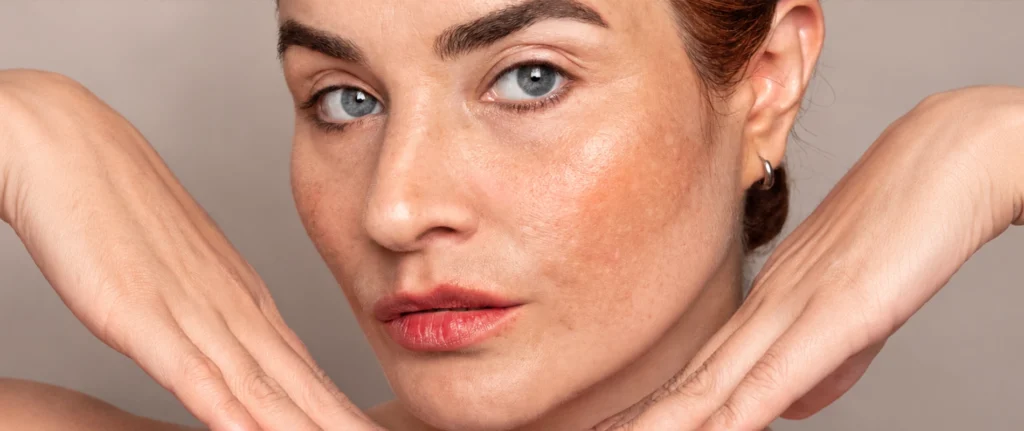
How to Protect Your Skin From Sun-Related Melasma Flares
Effective melasma photoprotection involves reducing the total amount of pigment-stimulating light that reaches susceptible skin. Start with a water-resistant broad-spectrum sunscreen providing SPF 30 or higher rather than relying on an SPF value without UVA coverage. A tinted formula containing iron oxide can add visible-light protection, which is especially relevant for melasma and darker skin tones. Adequate application matters because using too little sunscreen provides less protection than the labeled SPF suggests. Sunscreen also needs to be reapplied appropriately during prolonged outdoor exposure, particularly after swimming or sweating. Hats, shade, sunglasses, and sun-protective clothing provide additional physical barriers and reduce dependence on sunscreen alone. The most practical routine is one that provides adequate protection while remaining comfortable enough for the patient to follow consistently every day.Use Broad-Spectrum Sunscreen Every Day
Choose a water-resistant broad-spectrum sunscreen with SPF 30 or higher for exposed skin. Broad-spectrum protection matters because melasma is influenced by UVA as well as UVB radiation. Apply sunscreen before going outdoors and use enough to cover the exposed area properly rather than applying only a thin cosmetic layer. Consistent use remains important even when melasma has faded because renewed light exposure can contribute to recurrence.Consider Tinted Sunscreen With Iron Oxides
Tinted sunscreens containing iron oxides can protect against visible light in addition to the UV protection provided by the sunscreen filters. This is particularly useful for melasma because visible sunlight has been shown to worsen pigmentation, especially in darker skin tones. The sunscreen does not have to be selected simply because it is labeled “mineral”; visible-light protection from the iron oxide and adequate broad-spectrum UV protection are the more relevant considerations. Choose a shade and texture you can apply generously and consistently because poor adherence can undermine even an excellent formulation.Reapply Sunscreen During Outdoor Exposure
Sunscreen does not remain perfectly distributed on the skin throughout a long day outdoors. Dermatologists recommend reapplication approximately every two hours outdoors and after swimming or sweating according to the product’s directions. Reapplication becomes particularly relevant during Riyadh’s hot weather when perspiration and face wiping can disrupt coverage. A higher SPF does not eliminate the need to maintain the sunscreen film during prolonged exposure.Use Shade, Hats, and Protective Clothing
Physical barriers reduce sunlight before it reaches the skin and complement sunscreen rather than replacing it. Wide-brimmed hats offer better coverage of the cheeks, forehead, temples, and jawline than narrow-brimmed or baseball-style caps. Shade, UV-protective sunglasses, and clothing with appropriate coverage can further reduce cumulative exposure during long periods outside. Combining physical protection with sunscreen is generally more reliable than depending on one photoprotective measure alone.Avoid Deliberate Tanning and Unnecessary Sun Exposure
A tan represents a biological response to UV exposure rather than a protective or healthy state for melasma-prone skin. Tanning beds and sunlamps expose skin to ultraviolet radiation that can worsen pigmentation and interfere with treatment progress. Reducing unnecessary exposure does not mean patients with melasma must avoid all normal outdoor activities. Instead, plan prolonged time outside more thoughtfully and combine sunscreen, shade, clothing, and other practical protection whenever exposure is substantial.What to Do If Your Melasma Has Already Darkened
A melasma flare after increased sunlight does not necessarily mean previous treatment has permanently stopped working. First review recent sun exposure, sunscreen use, reapplication, outdoor activity, hormonal changes, medications, and new skincare irritation that may have contributed. Restore consistent broad-spectrum and visible-light photoprotection rather than immediately adding several aggressive brightening products. Repeated scrubbing, strong acids, unsupervised chemical peels, or products that burn the skin can produce inflammation and potentially make pigmentation more noticeable. Dermatologist-directed management may include hydroquinone, triple-combination therapy, azelaic acid, kojic acid, vitamin C, tranexamic acid in selected patients, or other individualized treatments. Chemical peels, microneedling, IPL, and laser procedures require careful selection because excessive inflammation or energy can provoke post-inflammatory pigmentation or recurrent melasma in susceptible skin. If the pigmentation looks different from your usual melasma or fails to improve despite appropriate management, reassessment can confirm the diagnosis and determine whether the treatment plan should change.Can Melasma Go Away on Its Own?
Melasma can sometimes become lighter without intensive treatment when the factor that helped trigger it is temporary. Pregnancy-related melasma may improve after delivery as hormonal stimulation changes. Pigmentation associated with a medication may also improve if the medication is appropriately changed or discontinued by the prescribing clinician. However, many patients continue to experience melasma for years because their genetic, hormonal, and environmental susceptibility remains. Even patches that become difficult to see can return after significant light exposure or another trigger reactivates melanocytes. Sunscreen and other photoprotective measures help reduce this risk but cannot guarantee permanent clearing. Melasma is therefore better understood as a controllable and often recurrent condition rather than one that can always be permanently cured.When to Seek Professional Assessment for Persistent Melasma
Consider dermatologist assessment when pigmentation is persistent, recurrent, worsening, or difficult to distinguish from sun spots or another pigment disorder. New lesions that are raised, scaly, changing in color or shape, bleeding, or significantly different from surrounding pigmentation should be assessed before cosmetic treatment. Dr. Haitham Al-Gzlan’s current Riyadh approach to melasma similarly considers pigmentation pattern, skin characteristics, individual triggers, previous treatment, and recurrence risk before developing a plan. Professional diagnosis is particularly important before strong chemical peels, IPL, pigment lasers, or other procedures are used on skin assumed to have melasma.Frequently Asked Questions
Yes, sunlight is one of the best-established environmental triggers because ultraviolet radiation and visible light can stimulate melanocytes and increase pigment production. Existing patches can darken and previously improved melasma may recur after renewed exposure.
Intense heat may aggravate melasma in some patients, and an association between occupational heat exposure and disease severity has been reported. However, heat should not be treated as equally proven to UV and visible light because systematic evidence specifically examining solar infrared exposure in melasma remains limited.
Look for a water-resistant broad-spectrum sunscreen with SPF 30 or higher, and consider a tinted formulation containing iron oxide for visible-light protection. The best practical option is one that provides these protections, suits your skin, and can be applied adequately and consistently.
Tinted sunscreen is not the only part of melasma protection, but iron-oxide-containing formulations provide useful protection from visible light that standard UV filters may not address. Clinical evidence supports adding visible-light protection to broad-spectrum sunscreen for melasma, particularly in pigmentation-prone darker skin.
Yes, having melasma does not mean you need to avoid normal outdoor activities. Use appropriate sunscreen, reapplication, hats, shade, and protective clothing to reduce unnecessary cumulative exposure while continuing everyday life.
Yes, melasma commonly recurs because treatment can lighten visible pigment without permanently eliminating melanocyte susceptibility. UV, visible light, hormonal influences, and inflammation can stimulate pigment production again after the skin has improved.
Sun protection can help melasma become less noticeable and can reduce worsening or recurrence, but established melasma often requires additional dermatologist-guided treatment. Sunscreen is therefore a foundation of management rather than a guaranteed standalone cure.