
What Is a Rosacea Flare-Up?
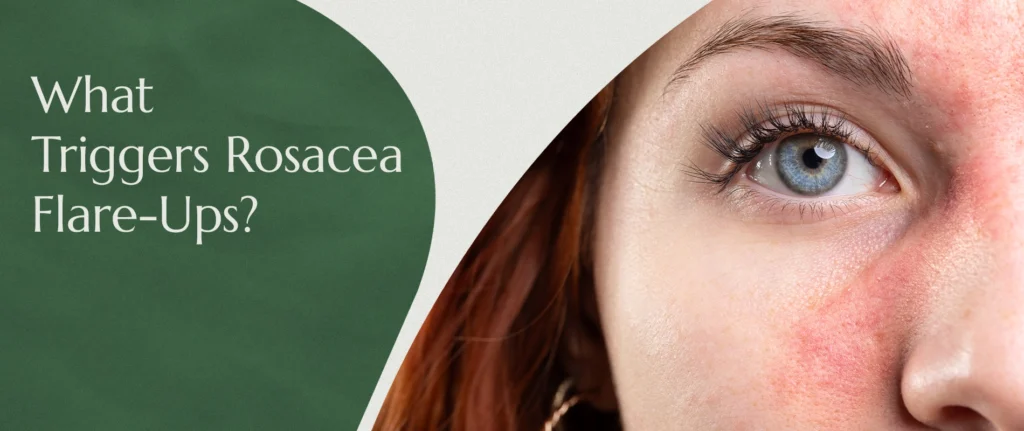
A rosacea flare-up is a period when symptoms become more noticeable or intense than usual. You may experience increased facial redness, sudden flushing, warmth, burning, stinging, or swelling. Some people also develop red bumps and pustules that resemble acne, particularly across the cheeks, nose, forehead, and chin. A flare-up may follow exposure to a known trigger, such as sunlight, heat, stress, or an irritating skincare product. In other cases, symptoms may appear without an obvious connection to a particular activity or exposure. The frequency and severity of flare-ups vary, and the skin may look relatively calm between episodes. Recognizing your usual symptoms and patterns can help you distinguish a rosacea flare from irritation, an allergic reaction, or another skin condition.What Are the Most Common Triggers of Rosacea Flare-Ups?
Rosacea triggers are factors that can provoke flushing, increase inflammation, or aggravate existing skin symptoms. Sun exposure, temperature changes, stress, spicy foods, alcohol, exercise, and certain skincare products are commonly reported triggers. Some medications can also contribute to flushing or worsen rosacea-like symptoms in susceptible individuals. A trigger may cause immediate facial warmth or redness, while other symptoms may develop or persist for longer. Not every person reacts to every trigger, and a commonly reported factor is not necessarily a problem for your skin. Avoiding every possible trigger can also lead to unnecessary dietary restrictions or lifestyle changes. The most effective approach is to identify your individual triggers and make practical adjustments without limiting activities that do not cause problems.Sun Exposure and UV Radiation
Sun exposure is one of the most commonly reported triggers for rosacea flare-ups. Ultraviolet (UV) radiation can contribute to inflammation, while sunlight and heat may cause facial blood vessels to dilate and increase flushing. Symptoms may become more noticeable after walking outdoors, driving in strong sunlight, or spending extended periods outside. Use broad-spectrum sunscreen with at least SPF 30, seek shade, and wear a wide-brimmed hat to help protect rosacea-prone skin.Hot Weather and Sudden Temperature Changes
High temperatures can cause facial flushing by increasing blood flow to the skin. Moving rapidly between hot outdoor conditions and cool indoor environments may also provoke symptoms in some people. A flare may include red cheeks, facial warmth, stinging, or a burning sensation. When possible, stay in a comfortable environment, cool down gradually, and avoid prolonged exposure to excessive heat.Stress and Anxiety
Emotional stress and anxiety can trigger facial flushing in people with rosacea. Stress-related nervous system responses may cause blood vessels to widen, making redness and warmth more noticeable. Presentations, social situations, lack of sleep, or periods of ongoing pressure may coincide with flare-ups. Relaxation techniques, regular sleep, and manageable stress-reduction habits may help if emotional stress is one of your personal triggers.Spicy Foods and Hot Drinks
Spicy foods containing chilli and other capsaicin-rich ingredients can trigger facial warmth and flushing in some people. Hot drinks, including tea, coffee, and soup, may also provoke symptoms because of their temperature. Letting beverages cool before drinking them may help if heat is the main trigger. You do not need to eliminate all spicy foods or hot drinks unless you notice a consistent relationship with your symptoms.Alcohol and Individual Food Triggers
Alcohol, particularly red wine, is a commonly reported trigger for rosacea-related flushing. Some people also report reactions to chocolate, cinnamon, citrus fruits, or other foods, but these responses vary and are not universal. There is no single proven rosacea diet that everyone needs to follow. Keep track of what you eat and when symptoms occur before deciding whether a particular food should be limited.Skincare Products and Harsh Ingredients
Skincare products can aggravate rosacea when they contain ingredients that irritate sensitive or inflamed skin. Fragrances, abrasive scrubs, harsh cleansers, alcohol-heavy toners, and strong exfoliating products may cause burning, stinging, or increased redness. Ingredients such as glycolic acid, lactic acid, and retinoids can also be irritating for some people, particularly when introduced too quickly. Choose gentle, fragrance-free products and stop using products that consistently worsen your symptoms.Exercise and Overheating
Physical activity can trigger temporary flushing because exercise increases body temperature and circulation. Intense workouts in hot environments may make rosacea symptoms more noticeable, particularly in people who are sensitive to overheating. You generally do not need to stop exercising because you have rosacea. Consider cooler workout settings, shorter sessions, regular breaks, and a fan to help control heat while staying active.Hot Showers, Saunas, and Steam Rooms
Hot showers, saunas, steam rooms, and hot baths can trigger flushing by exposing the skin to high temperatures. The face may become red, warm, or uncomfortable during or after these activities. Choose lukewarm water and avoid prolonged exposure to steam or intense heat if you notice a consistent reaction. If a cold compress helps after a flare, use a clean, cool cloth rather than applying ice directly to the skin.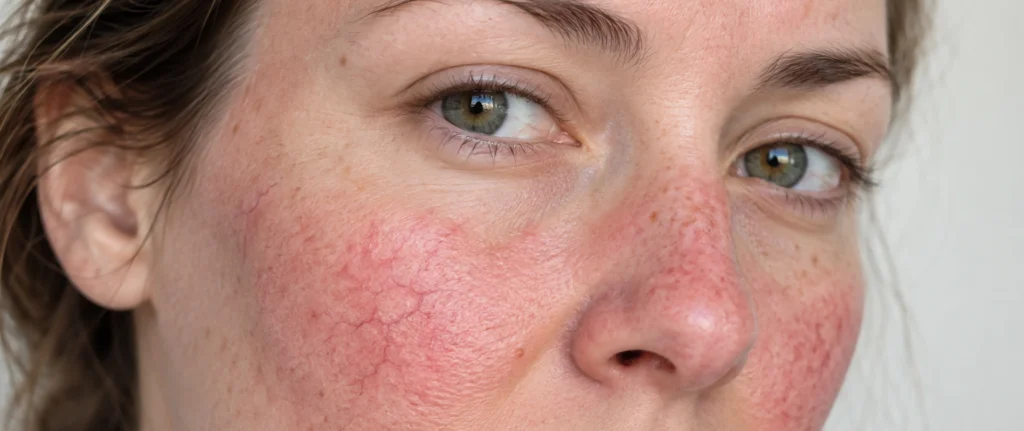
Wind and Other Environmental Factors
Strong winds, cold air, and dry conditions can irritate the skin and contribute to rosacea symptoms. Wind exposure may leave the face feeling tight, dry, or stinging, particularly when the skin barrier is already sensitive. Dust, pollution, and other environmental irritants may also aggravate discomfort in some individuals, although responses differ. Use a suitable moisturizer, protect your face from harsh weather, and observe whether specific environments repeatedly precede your flare-ups.Certain Medications That May Worsen Rosacea
Some medications can cause facial flushing or make existing redness more noticeable. Certain vasodilators and niacin-containing products may contribute to flushing, while inappropriate or prolonged use of topical corticosteroids on the face can trigger or worsen rosacea-like eruptions. Medication effects depend on the product, dose, and individual circumstances. Never stop a prescribed medicine on your own; ask your doctor or pharmacist to review it if you suspect it is contributing to your symptoms.Why Riyadh’s Climate Can Trigger Rosacea Flare-Ups
Climate can influence rosacea symptoms, particularly when sunlight and heat are common parts of daily life. Riyadh’s hot weather and strong sunshine may make outdoor exposure an important consideration for people with rosacea. High temperatures can provoke flushing, while UV radiation can contribute to skin inflammation. Air-conditioned spaces may provide relief from outdoor heat but can introduce abrupt temperature changes and dry airflow. Driving, commuting, shopping, and other routine activities can involve repeated transitions between indoor and outdoor environments. These factors do not cause every flare, and individual responses vary. Consistent sun protection and sensible temperature management can help reduce avoidable triggers without requiring you to stay indoors.Intense Sun Exposure and Extreme Heat
Prolonged exposure to sunlight and high temperatures may worsen facial redness, flushing, and discomfort. Outdoor errands, walking, driving, or exercising during the hottest part of the day can increase the chance of overheating. Apply broad-spectrum sunscreen, reapply it as directed, and use shade or protective clothing whenever practical. Planning outdoor activities for cooler hours may help you manage symptoms while maintaining your usual routine.Moving Between Hot Outdoor Conditions and Air-Conditioned Spaces
Moving from Riyadh’s outdoor heat into a strongly air-conditioned building can create a sudden temperature change that triggers flushing in some people. Cold, dry airflow may also worsen tightness or irritation when the skin barrier is compromised. Allow your body to cool down gradually, and avoid sitting directly in strong air-conditioning airflow if it makes your skin uncomfortable. A consistent moisturizer and a simple skincare routine can help support your skin when environmental conditions change.Why Do Rosacea Flare-Ups Happen Without an Obvious Trigger?
Not every rosacea flare-up has an identifiable cause. Symptoms can reflect several interacting factors, including skin inflammation, blood-vessel responses, individual sensitivity, and environmental exposures that are difficult to notice. A flare may also occur after several smaller triggers combine rather than following one obvious event. For example, sunlight, exercise, stress, and a hot drink on the same day may contribute to increased flushing. Symptoms can vary even when your routine appears unchanged. Rosacea is a chronic condition, so avoiding known triggers may reduce flare-ups without eliminating them entirely. If symptoms become more frequent, severe, or different from your usual pattern, a dermatologist can help reassess the diagnosis and treatment.Skin Sensitivity and Inflammation
Rosacea-prone skin can respond strongly to everyday stimuli because of changes involving inflammation, skin-barrier function, and blood-vessel activity. These responses may cause redness, warmth, stinging, or swelling even when you cannot identify a specific trigger. A product that was previously comfortable may also begin to sting during a period of increased sensitivity. Gentle skincare and appropriate medical treatment can help manage symptoms, but persistent reactions deserve professional assessment.Genetics and Other Factors That May Contribute to Rosacea
Rosacea is thought to develop through a combination of genetic susceptibility and biological factors involving the immune system, nerves, blood vessels, and skin barrier. Demodex mites, which naturally live on human skin, may also contribute to inflammation in some people. These underlying factors help explain why rosacea can flare even without a clear environmental or dietary trigger. They also mean that rosacea is not simply caused by poor hygiene, eating the wrong foods, or failing to follow a skincare routine.How to Identify Your Personal Rosacea Triggers
Identifying your personal rosacea triggers can help you make targeted changes rather than avoiding every commonly reported trigger. Start by observing when facial redness, flushing, burning, or bumps appear and how long symptoms last. Consider recent sun exposure, temperature changes, exercise, stress, food, drinks, medication changes, and skincare products. Look for patterns that recur rather than assuming that the last thing you ate or applied caused the flare. A simple diary can help you recognize connections that are difficult to remember from day to day. If the pattern remains unclear or your symptoms are not improving, a dermatologist can review your observations and recommend appropriate treatment. Trigger tracking works best alongside gentle skincare and consistent sun protection.Keep a Rosacea Trigger Diary
Keep a daily diary for about two weeks, noting symptoms and potential exposures. Record when a flare starts, where it appears, how severe it feels, and when the skin returns to its usual state. Include relevant details such as weather, sun exposure, stress, exercise, meals, drinks, and skincare changes. Bring the diary to your dermatology appointment if you need help identifying patterns or assessing treatment effectiveness.Track Foods, Weather, Stress, and Skincare Changes
Record meals and beverages alongside changes in temperature, sunlight, wind, physical activity, and emotional stress. Note any new products, changes in how often you use active ingredients, or medicines that have recently been started or adjusted. Change one non-essential factor at a time when practical so you can better judge whether it affects your symptoms. Avoid restrictive diets or stopping prescribed treatments based on a single suspected connection.When to Seek Help From a Dermatologist
See a dermatologist if flare-ups are frequent, facial redness becomes persistent, or inflammatory bumps do not improve with gentle skincare. An assessment is also useful if you are unsure whether your symptoms are rosacea, acne, dermatitis, or an allergic reaction. Your dermatologist can review potential triggers, assess the severity of your condition, and discuss suitable topical or oral treatments when appropriate. Seek prompt medical care for significant eye symptoms, particularly eye pain, light sensitivity, or changes in vision.How to Calm a Rosacea Flare-Up
When rosacea flares, the immediate goal is to reduce irritation and avoid making the inflammation worse. Stop activities that are clearly overheating you, move to a comfortable environment, and allow your skin to cool gradually. Keep your skincare routine simple and avoid experimenting with new products while your face is irritated. A cool compress, gentle moisturizer, and appropriate sun protection may help relieve discomfort. Avoid scrubbing, exfoliating, or applying ice directly to the skin in an attempt to make redness disappear quickly. These measures can ease symptoms, but they may not treat persistent redness or inflammatory bumps. If the flare is severe, lasts longer than usual, or keeps returning, seek advice from a dermatologist.Cool Your Skin Gently
Move to a cool, shaded environment and allow your body temperature to return to normal gradually. A clean cloth dampened with cool water may help soothe facial warmth when held gently against the skin for a short period. Avoid ice packs directly on the face, very cold water, and aggressive rubbing, as these may worsen irritation. If cooling does not relieve severe or unusual symptoms, seek medical advice.Use Gentle Skincare Products
During a flare, use a mild cleanser, lukewarm water, and a fragrance-free moisturizer that you already know your skin tolerates. Pause non-essential exfoliants, scrubs, and new active products if they are contributing to burning or stinging. Avoid applying home remedies or essential oils that may irritate inflamed skin. If your rosacea causes persistent bumps or redness, ask a dermatologist whether prescription treatment would be appropriate.Protect Your Skin From Sun Exposure
Sun exposure can prolong or worsen a rosacea flare, so seek shade and limit direct sunlight while your skin is irritated. Use a broad-spectrum sunscreen that you tolerate, and consider a hat or other protective clothing when outdoors. In Riyadh, planning outdoor activities for cooler hours can help reduce both UV exposure and overheating. Continue sun protection even when redness improves, because avoiding further exposure may help reduce future flare-ups.How Long Do Rosacea Flare-Ups Last?
The duration of a rosacea flare-up varies depending on the symptoms, severity, and triggers involved. A brief flushing episode may settle within minutes or hours after the trigger has passed. Persistent redness, burning, or swelling can last longer, while inflammatory bumps may take days or more to improve. Repeated exposure to sunlight, heat, or irritating products can prolong symptoms or cause new episodes. Rosacea is a chronic condition, so symptoms may return even after a period of improvement. Gentle skincare, trigger management, and appropriate medical treatment can help reduce the frequency or severity of flare-ups. If a flare is unusually prolonged, painful, or different from your usual symptoms, arrange a dermatological assessment.Frequently Asked Questions About Rosacea Flare-Ups
Sun exposure is one of the most commonly reported rosacea triggers, although heat, stress, alcohol, spicy foods, and irritating skincare products can also cause flare-ups. Your own most important trigger depends on your individual sensitivity and symptom pattern.
Yes, UV radiation and high temperatures can increase inflammation, facial flushing, and discomfort in people with rosacea. Broad-spectrum sunscreen, shade, protective clothing, and avoiding excessive heat can help reduce these triggers.
Yes, spicy foods, alcohol, and hot beverages can trigger flushing in some people, but food responses vary considerably. Track your symptoms before eliminating foods, because there is no universal rosacea diet that works for everyone.
Stress and anxiety can provoke flushing or worsen a rosacea flare in some individuals through nervous-system responses. Stress management may help, but it does not replace appropriate treatment for persistent symptoms.
You may be able to reduce the frequency of flare-ups by identifying personal triggers, using gentle skincare, protecting your skin from sunlight, and following an appropriate treatment plan. Complete prevention is not always possible because rosacea can flare without an obvious trigger.