
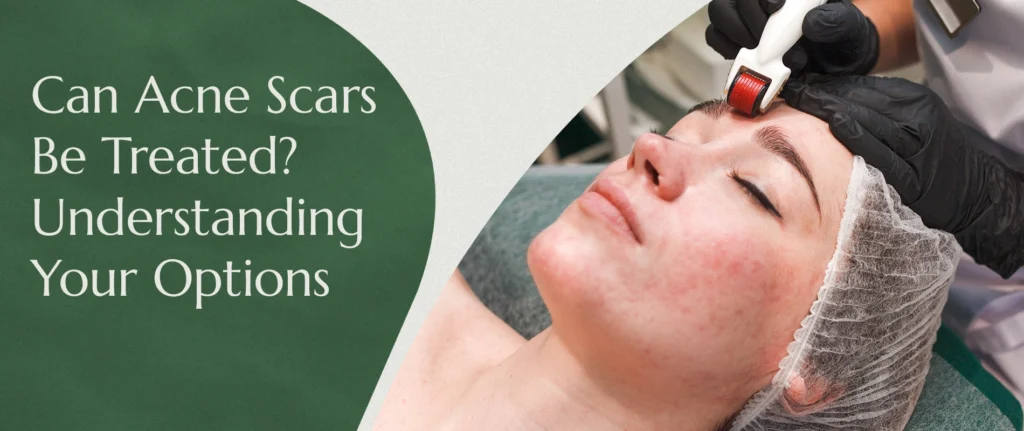
Yes, acne scars can often be treated and made less noticeable, but there is no single best acne scar treatment for everyone. The right approach depends on the type of scar, its depth, skin tone, active acne, previous treatments, downtime, and treatment goals. Depressed scars such as ice pick, boxcar, and rolling scars need a different approach from hypertrophic or keloid scars. Flat acne marks such as post-inflammatory hyperpigmentation or erythema are not true scars and need different treatment again. Dermatologists may use microneedling, RF microneedling, fractional CO₂ resurfacing, dermal fillers, CROSS, punch procedures, injections, or combination therapy depending on the findings. The realistic goal is usually scar reduction and smoother skin texture rather than complete removal of every scar.
What Are Acne Scars and Why Do They Form?
Acne scars are lasting structural changes that form when inflammatory acne damages deeper skin tissue and alters normal healing. When inflammation reaches the dermis, the skin may lose collagen and supporting tissue or, in some cases, produce too much scar tissue. Loss of tissue creates atrophic or depressed acne scars, while excess collagen can produce hypertrophic or keloid scars. Deep nodules and cyst-like lesions carry a greater risk because they cause more extensive inflammation than superficial acne. Picking or squeezing can add further trauma and increase the chance of pimple scars on the face or body. Treating active acne early is therefore one of the most important ways to reduce future acne scarring.
How inflammation from acne damages collagen and skin structure
Inflammation can damage collagen fibres and disturb how the skin rebuilds itself after an acne lesion heals. If the skin replaces too little supporting tissue, it can heal with a pit, depression, or uneven tiny skin dents. If it produces too much collagen, raised scar tissue may form. The depth of the original acne lesion and the intensity of inflammation both influence the final scar. This explains why severe nodular or cystic acne causes more scarring than many superficial whiteheads or blackheads. Structural damage also explains why creams that help acne marks cannot fully correct established deep pockmarks. Professional acne scar treatment is usually needed instead.
Types of Acne Scars: Why Identifying the Type Matters
Identifying the scar type matters because different acne scars respond to different treatments. Depressed scars may need collagen remodeling, volume replacement, focal chemical treatment, scar release, or minor surgery. Raised scars require treatments aimed at reducing excessive scar tissue rather than producing more collagen underneath them. Flat red or dark acne marks require treatment for pigment or vascular change instead of structural scar correction. Many people have more than one type of pimple scar at the same time, which is why combination treatment is common. A dermatologist therefore assesses scar shape, depth, distribution, color, and skin type before recommending skin treatments for acne scars.
Atrophic (depressed) scars
Atrophic scars sit below the surrounding skin because tissue and dermal support were lost during healing. The main types of acne scars in this group are ice pick, boxcar, and rolling scars. Ice pick scars are narrow and deep, boxcar scars are broader depressions with more defined edges, and rolling scars create an uneven or wave-like surface. Some rolling scars are tethered by fibrous bands beneath the skin, while some boxcar scars mainly reflect localized tissue loss. Because these structures differ, the best treatment for pimple scars depends on what each scar is made of rather than simply how visible it looks.
Hypertrophic and keloid scars
Hypertrophic and keloid scars are raised because the skin produces excess scar tissue during healing. Hypertrophic scars remain within the boundaries of the original acne injury, while keloids can grow beyond those boundaries. Keloids may also remain firm, itchy, painful, or continue to enlarge. Raised scars commonly require a different strategy from atrophic scars because the goal is to reduce excess scar tissue rather than stimulate more collagen underneath a depression. Recurrence is also possible, so dermatologists often use more than one treatment for keloids.
Post-inflammatory hyperpigmentation and erythema
Post-inflammatory hyperpigmentation and erythema are acne marks rather than true acne scars. PIH appears as flat brown, grey-brown, or darker discoloration, while post-inflammatory erythema appears red or pink. These marks can occur alongside pitted scars, which means one area may show both uneven texture and discoloration. PIH is particularly noticeable and persistent in darker skin tones. Correctly separating acne marks from structural scars helps avoid unnecessary procedures and makes acne marks treatment more targeted.
Can Acne Scars Be Treated? What the Evidence Says
Yes, acne scar treatment can make many scars less noticeable, but results depend on scar type, severity, skin characteristics, and the treatment used. The AAD lists options including microneedling, radiofrequency, fillers, lasers, scar surgery, chemical peels, and treatments for raised scars. Some treatments stimulate collagen, while others replace lost volume, release tethering, remove selected scar tissue, or reduce excessive collagen. Mixed scarring often needs more than one technique because one procedure rarely addresses every structural problem. Results usually develop gradually, and several treatment sessions may be needed. Effective acne scar treatments therefore focus on realistic improvement rather than promising a cure for pimple scars.
What “treated” really means: improvement versus complete removal
“Treated” usually means scars become shallower, smoother, flatter, or less noticeable—not that every scar disappears completely. Established acne scars represent changes in skin structure, and some depressed scars can remain visible even after successful treatment. The AAD notes that sunken acne scars do not simply fade away like many flat discolorations can. Results also depend on how deeply the scar extends and how the skin heals after treatment. A trustworthy acne scar treatment plan should therefore discuss likely improvement, limitations, and recovery before treatment begins.
Why combination therapy often outperforms single treatments
Combination therapy often works better because patients commonly have several types of scarring at the same time. A person may have narrow ice pick scars, broad boxcar scars, tethered rolling scars, acne marks, and volume loss in the same area. Microneedling may improve broader texture, while CROSS can target selected deep scars and fillers can support appropriate depressions. Subcision may also be considered when fibrous bands tether rolling scars beneath the skin. The aim is not to use as many procedures as possible; it is to match each treatment to the scar feature it addresses best.
Treatment Options for Atrophic Acne Scars
Atrophic acne scar treatment focuses on improving depressions caused by tissue loss or abnormal remodeling. The best approach depends on whether the scar is deep, shallow, narrow, broad, tethered, or associated with volume loss. Microneedling and fractional resurfacing stimulate remodeling, fillers restore volume, and CROSS can target selected deep scars. Punch techniques may help individual pockmarks that are poorly suited to broad resurfacing. Subcision may also be incorporated into a combination plan when deeper fibrous bands pull the skin downward. Patients with mixed pimple scars on the face often need staged treatment rather than a single procedure.
Microneedling and microneedling radiofrequency
Microneedling creates controlled micro-injuries that stimulate new collagen and elastin during healing. It can make selected depressed acne scars less noticeable and is considered suitable across skin tones when performed appropriately. RF microneedling combines those micro-injuries with radiofrequency energy delivered at controlled depths. The AAD notes that radiofrequency microneedling can produce less noticeable scars than either microneedling or radiofrequency used alone. Treatment depth, device settings, session number, and recovery should still match the individual patient rather than follow one standard protocol.
Fractional laser resurfacing (CO2)
Fractional CO₂ resurfacing creates microscopic columns of controlled ablative injury and stimulates collagen remodeling as the skin heals. It may help select boxcar, rolling, and broader textural scars when resurfacing is appropriate. Treatment intensity affects downtime, redness, crusting, and the risk of pigment change. Darker skin tones need more careful procedure selection because aggressive resurfacing can cause persistent hyperpigmentation or hypopigmentation. Fractional CO₂ should therefore be chosen according to scar morphology, phototype, treatment history, and recovery tolerance rather than being presented as the universal best acne scar treatment.
Dermal fillers for volume loss
Dermal fillers can improve selected depressed scars by restoring volume beneath areas where tissue loss contributes to indentation. They are most useful when the scar can be supported from underneath rather than when it consists of a narrow, deep tract. Fillers vary in composition and duration, so some results are temporary and may need maintenance. They can also be combined with procedures such as subcision when both tethering and volume deficiency are present. Fillers do not cure acne scars; they reduce the visible depression in appropriately selected scars.
Chemical reconstruction of skin scars (CROSS) for ice-pick scars
CROSS applies a high concentration of trichloroacetic acid precisely into selected atrophic scars rather than peeling the entire face. It is commonly used for ice pick scars and may also be considered for selected boxcar or rolling scars. The controlled inflammatory response stimulates new collagen within the treated scar. DermNet notes that complete resolution is unlikely with TCA CROSS alone, so several sessions or combination treatment may be needed. Because PIH and other pigment changes can occur, careful technique is especially important in pigment-prone skin.
Punch excision and punch elevation for select deep scars
Punch procedures can help select deep or sharply defined scars that do not respond well to broader resurfacing. Punch excision removes an individual scar and closes the site so it can heal with a more controlled contour. Punch elevation raises selected depressed tissue toward the level of surrounding skin rather than treating the whole area. DermNet lists punch or elliptical excision and punch grafting among options for prominent, deep, or fibrotic scars. These procedures are generally used for individual scars and may be followed by resurfacing or other treatment to blend the area more evenly.
Treatment Options for Hypertrophic and Keloid Scars
Hypertrophic and keloid scars need treatment that reduces excess scar tissue rather than stimulates additional volume beneath the skin. Dermatologists may use corticosteroid injections, PDL or other laser therapy, cryotherapy, silicone therapy, medication, or combinations of these approaches. Keloids can recur after apparently successful treatment, which makes combination planning especially important. Treatment also considers whether the raised scar is painful, itchy, firm, red, or continuing to grow. A method used to improve an indented acne scar may be inappropriate for a raised scar. Correct classification should therefore come before treatment.
Intralesional corticosteroid injections
Intralesional corticosteroids are commonly used to flatten hypertrophic scars and keloids. A dermatologist injects medication directly into the scar to reduce excessive scar tissue and inflammation. Several sessions may be needed depending on scar thickness, location, and treatment response. Steroids are sometimes combined with other treatments when one method alone does not produce enough improvement. The dermatologist also monitors for side effects such as skin thinning or pigment changes.
Pulsed dye laser (PDL) for redness and thickness
PDL can help select raised scars by targeting vascular components that contribute to persistent redness and scar activity. DermNet includes pulsed dye laser among treatment options for hypertrophic and keloid acne scarring. Laser treatment may also be combined with injected medication when the scar has several active features. The expected benefit depends on scar color, thickness, age, location, and previous treatment. PDL is therefore one treatment option rather than a universal solution for raised acne scars.
Cryotherapy for select raised scars
Cryotherapy uses controlled freezing to reduce selected raised scars. Dermatologists may use liquid nitrogen for appropriate hypertrophic scars or keloids, sometimes as part of combination treatment. It is generally better suited to selected lesions than widespread pitted scarring. Pigment changes can occur after freezing, so darker skin tones need careful assessment before treatment. Raised scars can also recur, making follow-up an important part of the plan.
Silicone gels and sheets as adjuncts
Silicone gel and sheets can support the management of hypertrophic scars and keloids. They are usually adjunctive treatments rather than a substitute for medical procedures when raised scarring is severe. DermNet includes silicone dressings or sheeting among management options for hypertrophic and keloid acne scars. Consistency matters because these products may need to be used for an extended period. A dermatologist can advise whether silicone fits the scar’s age, location, thickness, and wider treatment plan.
Treating Post-Acne Discoloration Alongside Scars
Post-acne discoloration often needs treatment alongside true acne scars because many patients have both color and texture changes. A patient may have brown PIH, red erythema, depressed scars, and uneven texture in the same area. Treating pigment alone cannot refill pockmarks, while treating texture alone may leave discoloration visible. Some scar procedures can also temporarily trigger redness or pigment changes, so treatment sequence matters. Skin phototype and history of PIH should therefore influence planning. Separating pigmentation from scar structure makes acne marks treatment more accurate and helps reduce unnecessary procedures.
Post-inflammatory hyperpigmentation
PIH is a flat pigment change rather than a true structural acne scar. It appears brown, dark brown, grey-brown, or darker than the surrounding skin and is particularly common after acne in skin of color. Treating active acne is important because each new inflammatory lesion can create another dark mark. Sun protection and pigment-directed treatment can help, but PIH may take months or longer to fade depending on pigment depth. The AAD recommends treating acne and dark spots together rather than focusing only on discoloration.
Post-inflammatory erythema
Post-inflammatory erythema appears as flat red or pink discoloration after an acne lesion heals. Unlike PIH, the visible change reflects persistent vascular alteration rather than excess melanin. PIE can improve gradually, but persistent redness may remain noticeable for months in some patients. Treatments selected for brown pigmentation will not necessarily address red vascular marks. A dermatologist can distinguish PIE from active acne inflammation, rosacea, or other causes of persistent redness before treatment.
Why pigment must often be addressed before or alongside scar procedures
Pigmentation may need attention before or alongside structural scar treatment because color can make uneven skin look more prominent. Patients with a history of PIH may also develop new pigmentation after overly aggressive resurfacing or other inflammatory procedures. Stabilizing active acne, strengthening the skin barrier, and reducing uncontrolled pigment activity may improve the safety of later treatment. In other patients, color and texture can be addressed in a staged combination plan. The sequence should depend on phototype, scar structure, pigmentation risk, and the procedure being considered.
How Dermatologists Choose the Right Acne Scar Treatment
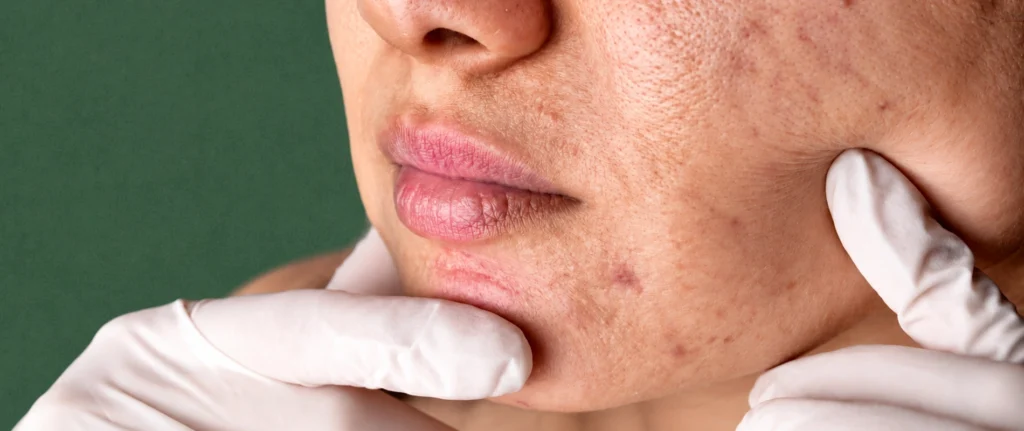
Dermatologists choose acne scar treatment by matching the treatment mechanism to the scar rather than selecting the newest device. They assess scar type, depth, tethering, number, distribution, pigmentation, and overall skin condition. Skin tone and previous pigment changes influence the risk of post-treatment discoloration. Active acne, medications, previous procedures, and skin-barrier health also affect timing and safety. Patient priorities such as downtime, budget, recovery, and desired degree of improvement influence the final plan. This individualized framework is why the best way to get rid of scarring differs from patient to patient.
Scar type, depth, and distribution assessment
Scar morphology is one of the most important factors in treatment selection. A narrow ice pick scar, broad boxcar depression, tethered rolling scar, and raised keloid represent different structural problems. Depth influences whether surface remodeling can reach the affected tissue, while tethering can indicate that release procedures such as subcision may be relevant. Distribution matters too: a few deep scars can be treated differently from widespread shallow textural change. The dermatologist therefore examines individual scars and the overall pattern before recommending treatment.
Skin phototype and pigmentation risk
Skin phototype influences pigmentation risk after inflammatory or energy-based procedures. Patients with darker skin tones may develop PIH after acne and can also develop dark or light spots after inappropriate laser, peel, or resurfacing treatment. This does not mean they cannot undergo acne scar treatment. It means procedure selection, energy settings, preparation, and aftercare need greater attention to pigment safety. The AAD specifically advises people with darkly pigmented skin to see a dermatologist experienced in treating skin of color before procedures such as peels or laser therapy.
Active acne status and skin barrier health
Active acne usually needs to be controlled before intensive acne scar procedures become the main priority. Continued breakouts can create fresh marks and scars while older scars are being treated. A damaged or irritated skin barrier can also make procedures harder to tolerate and may increase recovery problems. Dermatologists therefore review current breakouts, irritation, skincare, and medical treatment before starting scar-focused care. The AAD notes that acne scar plans often begin with acne treatment to reduce inflammation and prevent new scarring.
Patient goals, downtime tolerance, and budget
The right treatment also needs to fit the patient’s life. Some procedures require several days of redness, swelling, crusting, or activity restrictions, while others have less downtime but may produce more gradual improvement. Treatment cost can also increase when several sessions or combination procedures are required. Before treatment, patients should decide whether texture, pockmarks, pigmentation, or overall skin smoothness matters most to them. The AAD recommends discussing goals, budget, downtime, and how much time a patient can devote to treatment during the consultation.
Combination versus single-modality planning
Combination treatment is useful when several scar mechanisms are present at once. A patient may need scar release for tethering, filler for volume loss, collagen remodeling for broader texture, and separate treatment for pigmentation. One procedure used repeatedly may improve only part of the problem. Dermatologists therefore may sequence treatments over time rather than trying to correct everything in one session. Combination planning should remain purposeful: each procedure should have a clear target and expected role in the overall acne scar reduction plan.
What to Expect During an Acne Scar Consultation
An acne scar consultation should identify what type of scar or acne mark you actually have before any treatment is recommended. The dermatologist examines scar depth, edges, tethering, distribution, pigmentation, redness, active acne, and overall skin quality. You may also be asked how the scars affect you, which concerns bother you most, and what degree of improvement you expect. Your dermatologist should review previous acne treatments, scar procedures, medications, reactions, tendency toward keloids, and history of post-inflammatory pigmentation. Downtime, budget, treatment sessions, recovery, and alternatives should also be discussed before you commit to a procedure. A good consultation produces a personalized treatment strategy, not simply a recommendation for the clinic’s most advanced device.
How to Prepare for Acne Scar Treatment
Preparation begins with giving your dermatologist an accurate picture of your skin and medical history. Bring or prepare a list of current medications, supplements, acne products, prescription creams, and procedures you have used previously. The AAD advises patients to tell their dermatologist about acne treatments used within the previous two years because some treatments can influence procedural safety. Control active acne where possible, follow sun-protection advice, and avoid starting aggressive new skincare shortly before a procedure unless instructed to do so. Some treatments require specific preparation, such as antiviral medication, retinoid adjustment, or pre-procedure skincare. Follow instructions for the procedure you are actually receiving rather than using a generic internet preparation routine.
Frequently Asked Questions About Acne Scar Treatment
Acne scars can often become significantly less noticeable, but complete removal cannot be guaranteed because established scars involve structural changes in the skin. Treatment usually aims to improve depth, contour, texture, and visibility rather than promise completely scar-free skin.
There is no single best treatment for indented acne scars because ice pick, boxcar, rolling, tethered, and volume-loss scars respond differently. Microneedling, RF microneedling, fractional laser, fillers, CROSS, subcision, or scar surgery may be used alone or in combination after assessment.
Yes, microneedling can make selected acne scars less noticeable by stimulating new collagen and elastin during healing. The AAD states that microneedling is safe across skin tones and that combining it with radiofrequency can improve results further in suitable patients.
Yes, inappropriate treatment can cause complications such as persistent pigment changes, irritation, infection, or additional scarring. Risk is lower when the dermatologist matches the procedure, intensity, and aftercare to the patient's scar type, skin tone, medications, and medical history.
Usually, yes. Controlling active acne helps prevent new inflammation from creating fresh scars while existing scars are being treated. The AAD notes that acne scar treatment plans commonly begin by bringing ongoing breakouts under control.
There is no single timeline because results depend on scar depth, treatment method, number of sessions, treatment intervals, and individual healing. Many treatments produce gradual improvement over weeks to months as collagen remodeling continues after the procedure.
Yes, many acne scar treatments can be performed safely in darker skin tones when they are selected and performed appropriately. Microneedling and RF microneedling are considered safe across skin tones, while resurfacing procedures require more careful planning because of pigment risk.
Creams can help active acne, pigmentation, and some very mild surface irregularity, but they cannot fully correct established deep pitted scars. The AAD notes that topical retinoids or salicylic acid may make mild scarring less noticeable, while deeper structural scars generally need procedural treatment.
Conclusion
Acne scars can be treated, but successful treatment starts by identifying exactly what type of scar or post-acne change is present. Atrophic scars, hypertrophic scars, keloids, PIH, and erythema involve different processes and therefore need different approaches. Microneedling, RF microneedling, fractional CO₂ resurfacing, dermal fillers, CROSS, punch procedures, subcision, injections, lasers, cryotherapy, and silicone therapy each have specific roles rather than serving as universal solutions. Many patients benefit from combination treatment because several scar types can occur together. Skin tone, active acne, medication history, budget, recovery, and treatment goals should also guide planning. The best acne scar treatment is therefore the one that matches the scar structure, the patient’s skin, and realistic expectations for improvement.