
What Happens to the Skin After an Acne Breakout?
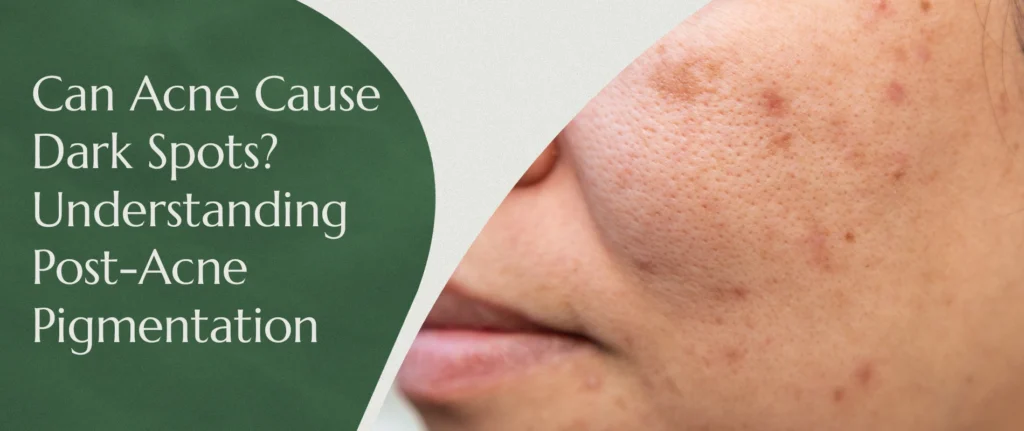
Acne vulgaris develops when pores become blocked by oil and dead skin cells, sometimes alongside increased activity of acne-associated bacteria and inflammation. This can produce different acne lesions, including blackheads, whiteheads, papules, pustules, and deeper nodules or cysts. When an acne lesion becomes inflamed, the surrounding skin begins a healing response. During this process, inflammatory signals can stimulate melanocytes, the cells responsible for producing melanin. Excess pigment may accumulate in the affected area, leaving a visible mark after the pimple disappears. This process is called post-inflammatory hyperpigmentation and is a common cause of post-pimple pigmentation. The breakout may have cleared, but the skin discoloration can remain for months or longer.What Do Post-Acne Dark Spots Look Like?
Post-acne dark spots usually appear in the same places where pimples have recently healed. Their color, size, and duration vary according to the degree of inflammation, individual skin response, and depth of the pigment. Some people notice a few small marks, while others develop multiple spots across the cheeks, forehead, chin, or jawline. The marks are usually flat and do not create a depression or raised area in the skin. Brown and dark marks often indicate excess melanin, whereas red or pink marks may have a different cause. Understanding the color and texture of the mark helps guide appropriate acne pigmentation treatment.Brown and Black Spots After Acne
Brown, tan, dark-brown, or black spots that sit flat against the skin are typical signs of post-inflammatory hyperpigmentation. They often appear exactly where a papule, pustule, or deeper acne lesion has healed. Pigment closer to the skin’s surface tends to look brown and may gradually become lighter over time. Deeper pigment can appear gray-brown or blue-gray and may take considerably longer to fade.Red, Pink, or Purple Marks After Pimples
Red or pink marks after acne may be post-inflammatory erythema, or PIE, rather than melanin-related hyperpigmentation. These marks are associated with lingering vascular changes and inflammation, so a treatment intended specifically for brown pigment may not address them effectively. Purple marks can have several explanations, including a combination of vascular changes and pigmentation, particularly in deeper skin tones. If the color or cause is unclear, a dermatologist can assess whether the mark is PIH, PIE, another skin condition, or a mixture of changes.How Skin Tone Affects Post-Acne Discoloration
Post-acne discoloration can affect people across the Fitzpatrick skin types I–VI, although PIH is often more noticeable and persistent in medium-to-deeper skin tones. Skin with greater pigment activity may respond more visibly to inflammation by producing additional melanin. This means even relatively small breakouts can leave dark marks, including blackhead marks or spots on the forehead and cheeks. People with lighter skin may notice more red or pink marks, but skin tone alone cannot determine the exact type or duration of discoloration.What Causes Acne-Related Hyperpigmentation?
Acne-related hyperpigmentation develops when inflammation triggers changes in the skin’s pigment response. The severity of the discoloration depends on several factors, including the depth of the acne lesion, how long inflammation lasts, and how the skin heals. Picking, squeezing, or repeatedly irritating a pimple can increase tissue injury and prolong inflammation. Sun exposure can make existing dark spots more pronounced and slow their visible fading. Skin sensitivity and overly aggressive skincare can also contribute to persistent discoloration. Although some risk factors are outside your control, early acne management and gentle skincare can help reduce the chance of developing new marks.Inflammation and Excess Melanin Production
When acne causes inflammation, chemical signals can stimulate melanocytes to produce and distribute more melanin in the affected area. This excess pigment can remain visible after the original acne lesion has healed. The resulting post-acne hyperpigmentation may range from light brown to dark brown or gray, depending partly on pigment depth. PIH is a skin-healing response, not evidence that the skin is dirty or that you have failed to cleanse it properly.Picking, Popping, or Squeezing Pimples
Picking, popping, or squeezing pimples can damage the surrounding skin and intensify inflammation. This may increase the likelihood of a darker or more persistent mark and raise the risk of developing a true acne scar. Trying to extract a blackhead or squeezing a deep, painful pimple can also prolong healing. Avoid manipulating blemishes and use an appropriate acne treatment instead of attempting to force a pimple to clear.Severe, Deep, or Persistent Acne
Inflammatory acne, including painful nodules and cysts, can cause more extensive inflammation than a small, superficial blemish. This can increase the risk of pronounced pigmentation and structural scarring, although the outcome varies from person to person. Breakouts that continue for weeks or recur in the same areas can create repeated cycles of inflammation and discoloration. Treating active acne early can help reduce the formation of new dark spots while protecting against permanent textural changes.Sun Exposure and Worsening Dark Spots
Ultraviolet radiation can stimulate pigment production and darken existing post-acne marks. Even when a pimple has healed, unprotected sun exposure may make the remaining discoloration more visible and prolong the time it takes to fade. This is particularly relevant for people prone to PIH, including those with medium-to-deeper skin tones. Daily broad-spectrum sunscreen and practical sun-protection habits help limit additional darkening while the skin recovers.Post-Acne Dark Spots vs. Acne Scars: What’s the Difference?
Post-acne dark spots and الندبات الهيكلية لحب الشباب can appear after the same breakout, but they are not the same condition. PIH is primarily a change in skin color caused by excess melanin, while PIE is associated with lingering redness and vascular changes. These marks are usually flat and do not necessarily indicate permanent structural damage. True acne scars develop when the skin’s healing process changes its structure, producing depressed or raised areas. Depressed scars may look narrow and deep, broad with defined edges, or uneven and rolling. Pigment-focused skincare may help discoloration but generally cannot correct established depressions or raised scar tissue on its own. Identifying whether you have pigmentation, redness, textural scarring, or a combination helps determine the most appropriate treatment.How to Fade Post-Acne Dark Spots at Home
Home care can help improve post-acne pigmentation, especially when the marks are superficial and new breakouts are being controlled. The most useful approach combines a gentle routine, suitable active ingredients, and consistent sun protection rather than relying on one powerful product. Ingredients such as azelaic acid, retinoids, vitamin C, and selected exfoliating acids may improve uneven skin tone over time. However, the right choice depends on your skin sensitivity, current acne, and any other products or medications you use. Introducing too many actives at once can irritate the skin and make pigmentation worse. Give your routine time to work and seek professional advice if the marks persist or your skin becomes increasingly inflamed.Use a Gentle Cleanser and Moisturizer
Choose a mild cleanser that removes excess oil, sunscreen, and everyday impurities without leaving your skin tight or uncomfortable. Follow with a moisturizer that supports the skin barrier and helps reduce dryness caused by acne treatments. If you have oily or acne-prone skin, look for products labeled non-comedogenic or formulated not to clog pores. Gentle cleansing and regular moisturizing help maintain skin comfort while you address acne and pigmentation.Try Proven Ingredients for Post-Acne Pigmentation
Some topical ingredients can help improve dark spots by influencing pigment production, supporting skin renewal, or treating acne that causes new marks. Azelaic acid and selected retinoids are useful options because they can address acne as well as uneven pigmentation. Vitamin C and niacinamide may complement a routine, while alpha hydroxy acids can help with surface discoloration when tolerated. Choose products according to your skin’s needs, introduce one active ingredient at a time, and stop or reduce use if significant irritation develops.Azelaic Acid
Azelaic acid can help manage acne and improve post-inflammatory hyperpigmentation by reducing inflammation and influencing excess pigment production. It may be useful for people who experience both active breakouts and lingering brown marks. Some formulations are available without a prescription, while stronger options may require medical guidance depending on the product and local regulations. Mild stinging, dryness, or irritation can occur, so introduce it gradually and adjust use if your skin becomes uncomfortable.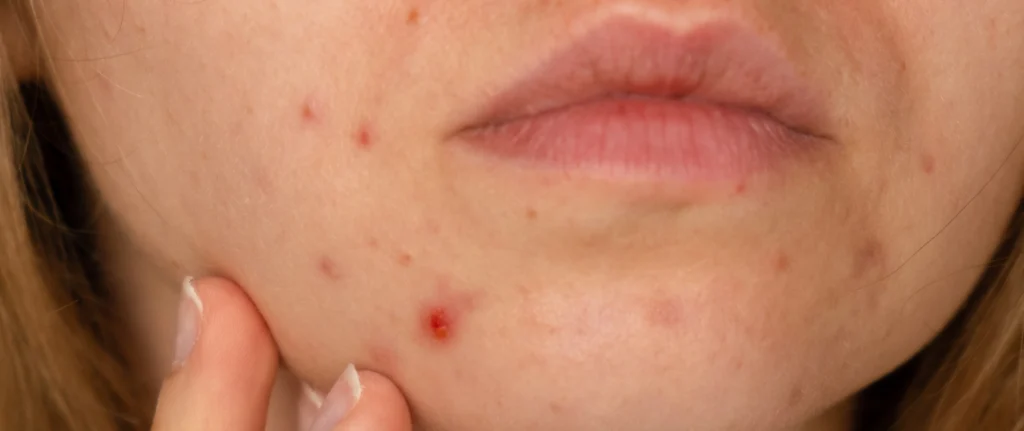
Retinoids and Retinol
Retinoids, including adapalene and prescription tretinoin, help treat acne by supporting skin-cell turnover and preventing clogged pores. Over time, some retinoids can also improve the appearance of post-acne pigmentation, particularly when ongoing breakouts are part of the problem. Starting too frequently or combining retinoids with several exfoliating products can cause irritation that worsens discoloration. Topical retinoids should be avoided during pregnancy, and anyone who is pregnant, planning pregnancy, or breastfeeding should seek individualized advice before using acne medication.Vitamin C
Topical vitamin C is an antioxidant ingredient that may help improve uneven skin tone and support a brighter-looking complexion. Its effects depend on the formulation, concentration, stability, and how consistently the product is used. Vitamin C is an optional addition rather than a substitute for acne control or sunscreen. If it causes persistent stinging, redness, or dryness, stop using it and reassess the routine.Alpha Hydroxy Acids (AHAs)
Alpha hydroxy acids, such as glycolic acid and lactic acid, loosen the bonds between surface skin cells and encourage exfoliation. They may help improve superficial discoloration and uneven texture when used appropriately. Excessive exfoliation can damage the skin barrier, increase sensitivity, and trigger more inflammation and pigmentation. Start cautiously, avoid combining several strong exfoliants at once, and use sunscreen consistently while treating dark spots.Hydroquinone: When Is It Appropriate?
Hydroquinone is a pigment-reducing ingredient that may be recommended for selected cases of persistent hyperpigmentation. Because it can cause irritation and is not suitable for every person or every type of discoloration, its use should be guided by a qualified clinician. Prolonged or unsupervised use can cause complications, including a rare condition called exogenous ochronosis, which may lead to blue-black discoloration. Availability and permitted formulations vary by country, so avoid self-prescribing or using unverified skin-lightening products.Build a Consistent Skincare Routine
A simple routine is often easier to maintain and less likely to cause irritation than one filled with multiple active products. In the morning, use a gentle cleanser if needed, moisturizer, and broad-spectrum sunscreen; at night, cleanse and apply your selected acne or pigmentation treatment as directed. Introduce new products one at a time so you can identify which ingredients help and which cause sensitivity. Consistency matters more than frequently switching products in search of the fastest way to fade acne marks.Avoid Harsh Exfoliation and Unproven Home Remedies
Scrubbing dark spots aggressively will not remove the pigment safely and can worsen inflammation. Avoid applying lemon juice, undiluted apple cider vinegar, household bleach, baking soda, or other irritating DIY mixtures to your face. These substances can cause irritation or chemical burns, potentially leaving more discoloration than you started with. Choose formulated skincare products with known ingredients and seek professional guidance before trying strong peels or concentrated skin-lightening treatments at home.Why Sunscreen Matters for Post-Acne Pigmentation in Riyadh
Sun protection is an important part of managing post-acne pigmentation because ultraviolet exposure can deepen existing marks. Riyadh’s sunny climate makes it especially practical to build daily protection into your routine rather than relying on sunscreen only for beach days or long outdoor activities. Sunscreen does not instantly erase established discoloration, but it can help prevent further darkening while other treatments take effect. Broad-spectrum formulas protect against UVB and UVA radiation, while tinted products containing iron oxides can provide additional protection against some visible light. Hats, shade, and protective clothing add useful layers of protection during outdoor exposure. The goal is to reduce repeated pigment triggers while allowing the skin to heal.How UV Exposure Can Darken Existing Marks
UV radiation can stimulate melanocytes and increase melanin production, making post-acne dark spots more noticeable. A mark that is gradually fading may remain darker for longer if the area is repeatedly exposed without adequate protection. This can happen during everyday activities such as walking outside, driving, or spending time in open areas. Regular sunscreen use helps reduce this additional trigger, although it cannot prevent every mark or replace appropriate acne treatment.How to Choose and Use Broad-Spectrum Sunscreen
Choose a broad-spectrum sunscreen with SPF 30 or higher and select a water-resistant formula for activities involving sweating or swimming. If your skin is acne-prone, look for a non-comedogenic product that feels comfortable enough for daily use. Apply a sufficient, even layer to exposed skin and reapply about every two hours outdoors, as well as after swimming, heavy sweating, or towel-drying. A tinted sunscreen containing iron oxides may be particularly useful for people with persistent pigmentation or medium-to-deeper skin tones because it can help protect against visible light as well as UV exposure.Daily Sun Protection Habits for Riyadh’s Climate
Apply sunscreen each morning to exposed skin, even when you expect to spend only a short time outside. During prolonged outdoor activities, combine it with shade, a wide-brimmed hat, and clothing that covers exposed areas. Carry sunscreen with you so that reapplication is practical rather than an occasional afterthought. These habits can help limit sun-related darkening while you work on acne control and post-acne pigmentation treatment.Professional Treatments for Post-Acne Pigmentation
If dark spots remain despite a consistent skincare routine, a dermatologist can assess the type of discoloration and discuss suitable treatment options. The choice depends on whether the marks are primarily PIH, PIE, true acne scars, or a combination of these concerns. Treatment may involve prescription topical medication, carefully selected chemical peels, or specific laser and light-based procedures. No single procedure is suitable for every person, and some treatments can worsen pigmentation if they cause excessive irritation or injury. This risk deserves particular attention in people prone to PIH and those with deeper skin tones. A personalized plan should address active acne, existing discoloration, skin sensitivity, and the likelihood of new marks forming.Dermatologist-Prescribed Topical Treatments
A dermatologist may recommend prescription treatments when pigmentation is persistent, widespread, or not responding to appropriate non-prescription products. Depending on the case, options may include a retinoid, azelaic acid, hydroquinone, or a combination selected for the individual’s skin. The clinician can advise on how much to use, how often to apply it, and how to reduce irritation. Do not combine prescription products or increase their frequency without guidance, because over-treatment can worsen the very discoloration you are trying to improve.Chemical Peels for Acne-Related Dark Spots
التقشير الكيميائي use controlled applications of acids to exfoliate selected layers of the skin and may improve some superficial pigmentation. The type and strength of peel should be chosen according to the diagnosis, active acne, skin tone, and history of sensitivity or PIH. Peels can also cause irritation, burns, or additional pigment changes if the treatment is too strong or unsuitable. A qualified professional should assess whether a peel is appropriate and provide clear preparation and aftercare instructions.علاجات الليزر والضوء
Laser and light-based procedures may be considered for selected pigmentary concerns, but they are not a universal solution for post-acne dark spots. Different devices target different structures, and a laser is not the same as intense pulsed light (IPL). The wrong device, energy setting, or treatment approach can trigger inflammation and worsen pigmentation, particularly in skin that is prone to PIH. A dermatologist should establish the diagnosis and weigh the expected benefit against the risk before recommending a procedure.Which Treatments Are Suitable for Different Skin Tones?
Treatment selection should reflect the individual’s skin tone, pigment depth, sensitivity, acne activity, and tendency to develop post-inflammatory discoloration. People with medium-to-deeper skin tones can benefit from treatment, but some procedures require particular caution because treatment-related inflammation may leave new dark or light marks. A history of PIH, recent tanning, active irritation, and previous treatment reactions can all affect the plan. Rather than assuming one treatment is suitable for every skin tone, a dermatologist can select an approach and settings appropriate to the person’s skin.Why a Skin Assessment Matters Before Treatment
A skin assessment helps determine whether a mark is caused by excess melanin, lingering redness, structural scarring, or another condition. It also allows the clinician to review current acne, skincare products, medical history, and previous reactions to treatment. This matters because a procedure that helps one type of mark may do little for another and could cause unwanted discoloration. If you are considering post-acne pigmentation treatment in Riyadh, a consultation with Dr. Haitham Al-Gzlan can help clarify the concern and discuss suitable options for your skin.How Long Does Post-Acne Hyperpigmentation Take to Fade?
Post-acne hyperpigmentation usually fades gradually rather than disappearing within a few days. Superficial marks may improve over several months, and some can take around six to twelve months to fade noticeably. Deeper pigment may remain for years in some cases, while certain marks may not disappear completely without treatment. Redness-related marks can follow a different timeline because they are not caused by excess melanin alone. Appropriate skincare and professional treatment may help some marks fade faster, but the outcome varies by person and treatment. Preventing new breakouts and limiting sun exposure are important while existing discoloration improves.Factors That Affect Healing Time
The depth of the pigment, severity of the original acne, and duration of inflammation can all affect how long a mark remains visible. Deeper pigmentation often takes longer to improve than pigment closer to the skin’s surface. Repeated breakouts, picking, sun exposure, and irritation from skincare products may delay visible fading. Skin tone and individual healing responses also influence the appearance and persistence of post-acne discoloration.What to Expect From Skincare and Professional Treatments
Topical ingredients usually require consistent use over weeks to months before meaningful improvement becomes visible. Retinoids and acne treatments may take longer to show their full benefit, and irritation can set progress back if products are introduced too aggressively. Professional treatments may be appropriate for selected cases, but results depend on the diagnosis, procedure, and the skin’s response. A realistic plan focuses on gradual improvement rather than promising complete removal by a fixed date.How to Prevent New Dark Spots While Existing Marks Fade
Continue treating active acne so that new inflammatory lesions do not create additional marks. Avoid squeezing pimples, and use gentle products that do not leave your skin persistently dry, sore, or inflamed. Apply broad-spectrum sunscreen daily and reapply it during outdoor exposure to help prevent existing marks from darkening. If your routine causes increasing redness or stinging, simplify it and seek advice before adding more active ingredients.When Should You See a Dermatologist for Acne Dark Spots?
Consider seeing a dermatologist if your pigmentation persists despite several months of appropriate skincare or if new marks keep appearing. Repeated acne breakouts can continue to trigger inflammation, making it difficult for existing spots to fade. A professional assessment is particularly important when acne is deep, painful, or leaving changes in skin texture. You should also seek advice if a product causes significant irritation or your discoloration becomes worse after treatment. Not every dark spot is caused by acne, so an unusual mark should not automatically be assumed to be PIH. Prompt assessment can help identify the cause and reduce the risk of inappropriate treatment.Persistent Pigmentation or Repeated Acne Breakouts
If dark spots remain prominent or keep returning after new breakouts, a dermatologist can review your routine and determine whether a different approach is needed. Persistent acne may require treatment beyond cosmetic skincare to reduce inflammation and prevent further marks. This is especially relevant when pigmentation appears across the forehead, cheeks, jawline, or other areas affected by repeated acne. Treating both active acne and existing pigmentation can provide a more useful long-term strategy than focusing on dark spots alone.Deep, Painful Acne or Signs of Permanent Scarring
Deep nodules, cysts, or painful inflammatory breakouts can increase the risk of permanent acne scars. Seek professional advice if you notice pitted areas, raised scars, or persistent changes in skin texture rather than flat discoloration alone. Early acne treatment can help limit ongoing inflammation and reduce the chance of further scarring. A dermatologist can distinguish structural scars from pigmentation and discuss treatments appropriate to each concern.Irritation or Darkening After Using Skincare Products
Stop or reduce a newly introduced product if it causes significant burning, persistent redness, swelling, peeling, or worsening discoloration. Irritation can damage the skin barrier and trigger additional inflammation, which may lead to more post-inflammatory pigmentation. Avoid trying to counteract the reaction with stronger exfoliants or multiple brightening products. Seek medical advice if the reaction is severe, does not settle, or leaves new dark or light patches.خاتمة
Acne can leave dark spots long after the original breakout has disappeared, but these marks are often different from permanent acne scars. Post-inflammatory hyperpigmentation develops when inflammation affects melanin production, while red or pink marks may reflect lingering vascular changes. Gentle skincare, appropriate active ingredients, and daily sun protection can help improve discoloration over time. Avoiding picking and treating active acne are equally important because repeated inflammation can create new marks. Persistent pigmentation, deep acne, textural scarring, or irritation from skincare may require a dermatologist’s assessment. If you are exploring acne pigmentation treatment in Riyadh, Dr. Haitham Al-Gzlan can assess your skin and discuss options suited to the type of discoloration you have. With a clear diagnosis and a consistent plan, you can work toward a more even-looking skin tone without relying on harsh or unproven remedies.الأسئلة الشائعة حول تصبغ ما بعد حب الشباب
A pimple can leave pigmentation that lasts for months or, in some cases, years, especially when the pigment is deep or inflammation was severe. Many flat marks improve over time, but persistent discoloration should be assessed rather than assumed to be permanent.
The most practical approach is to control active acne, use a suitable pigmentation ingredient consistently, and apply broad-spectrum sunscreen every day. There is no reliable instant cure, and aggressive exfoliation or strong unprescribed treatments can make dark spots worse.
Sunscreen helps prevent ultraviolet exposure from making post-acne marks darker while the skin gradually heals. It does not remove pigment immediately, but consistent protection supports the results of other appropriate treatments.
No, post-inflammatory hyperpigmentation is a change in skin color, while true acne scars involve structural changes such as depressions or raised tissue. Pigmentation may improve with time and topical treatments, but established scars often require different treatment options.
Yes, a dermatologist or suitable skincare plan can address active acne and existing pigmentation together. The ingredients and schedule should be chosen carefully to avoid excessive dryness or irritation that could worsen discoloration.
PIH is a flat area of darker skin that develops after inflammation or injury, including acne. It occurs when the healing response leads to excess melanin in the affected area and can appear brown, dark brown, or gray.
Dark spots remain because excess pigment can persist in the skin after the original inflammation has settled. Their fading time depends on pigment depth, skin response, sun exposure, and whether new acne or irritation continues to occur.