
What Is Hyperpigmentation?
Hyperpigmentation is a broad term for areas of skin that appear darker than the surrounding skin because of increased melanin, changes in its distribution, or pigment deposited within the skin. It can appear as isolated dark spots, patches, or more widespread uneven skin tone. Common causes include sun exposure, hormonal influences, acne-related inflammation, skin injuries, and certain medications. The visible color alone does not always reveal the underlying cause or how deeply the pigment sits. Some forms respond to laser treatment, while others may become more noticeable after an irritating or aggressive procedure. Identifying the type of pigmentation is therefore an important first step before choosing treatment. A personalized assessment helps determine whether laser skin treatment for hyperpigmentation is suitable for your skin.Common Types of Hyperpigmentation
Several different skin conditions can produce brown, gray, or darker patches, but they do not share the same causes or treatment needs. Melasma often appears as larger, symmetrical patches, while sunspots tend to form as individual marks on sun-exposed areas. Post-inflammatory hyperpigmentation develops after acne, irritation, injury, or another inflammatory condition. Freckles are smaller pigment spots that may become more visible after sun exposure. Some of these concerns may respond to pigment-targeting lasers, but treatment must be selected according to the diagnosis. A dermatologist should also examine any suspicious or changing spot before considering cosmetic pigment removal.Melasma
Melasma is a chronic pigmentary condition that commonly appears as symmetrical brown or gray-brown patches on the cheeks, forehead, upper lip, or other parts of the face. Hormonal influences, genetic susceptibility, ultraviolet radiation, and visible light can contribute to its development or recurrence. Laser treatment may help selected patients, but melasma can flare after procedures that irritate or inflame the skin. Sun protection and clinician-guided topical treatment are often central to long-term management, even when a laser is considered.Sunspots and Age Spots
Sunspots, also called solar lentigines or age spots, are usually flat brown marks that develop on areas with cumulative sun exposure, such as the face, hands, and chest. Selected benign sunspots can respond well to certain pigment-targeting lasers or light-based treatments. The number of sessions and the response depend on the lesion, skin tone, device, and treatment settings. A new, irregular, changing, or unexplained pigmented spot should be assessed medically before any cosmetic laser procedure.Post-Inflammatory Hyperpigmentation (PIH)
Post-inflammatory hyperpigmentation develops after inflammation or injury, including acne breakouts, eczema, burns, or irritation from skincare products. It can appear as flat brown, dark-brown, or grayish marks where the original problem occurred. Some superficial PIH may improve with topical treatment and sun protection, while deeper pigment can be more persistent. Because laser treatment can itself trigger inflammation, it may worsen PIH in some people and should be considered carefully.Freckles and Other Dark Spots
Freckles are small, often light-brown spots influenced by genetics and sun exposure, and they may darken after time in the sun. Other dark spots can result from medication, previous skin inflammation, benign growths, or less common pigmentary disorders. These conditions may look similar in photographs despite having different causes and treatment requirements. A proper diagnosis helps avoid treating a condition with a laser that is unlikely to help or could cause harm.What Causes Hyperpigmentation?
Hyperpigmentation develops when melanin production or distribution changes, or when pigment accumulates in different layers of the skin. Ultraviolet exposure can stimulate pigment production and deepen existing discoloration, while hormonal factors may contribute to melasma. Acne, rashes, burns, and cosmetic procedures can trigger inflammation that leaves post-inflammatory marks. Certain medications and underlying skin conditions can also cause pigmentation that needs a different management approach. Pigment depth, skin sensitivity, and the duration of the condition can influence how it responds to treatment. Because a dark spot is a description rather than a diagnosis, identifying its cause is essential before considering laser pigment removal.Why Is Hyperpigmentation Commonly a Concern in Riyadh’s Sunny Climate?
Frequent sun exposure can make existing pigmentation more noticeable and contribute to new discoloration, particularly in people prone to melasma or PIH. In Riyadh, regular outdoor exposure makes daily sun protection an important part of managing uneven skin tone. Ultraviolet radiation can stimulate melanin production even after a previous pigmentation treatment has improved the appearance of a spot. Heat may aggravate symptoms for some people with melasma, although it is less firmly established as a trigger than light exposure. Sunscreen, shade, hats, and protective clothing help reduce ongoing exposure while the skin heals. Anyone considering laser treatment in Saudi Arabia should be prepared to follow the recommended aftercare and sun-protection routine. A procedure without ongoing pigment management may produce limited or short-lived improvement.Can Laser Treatment Help Hyperpigmentation?
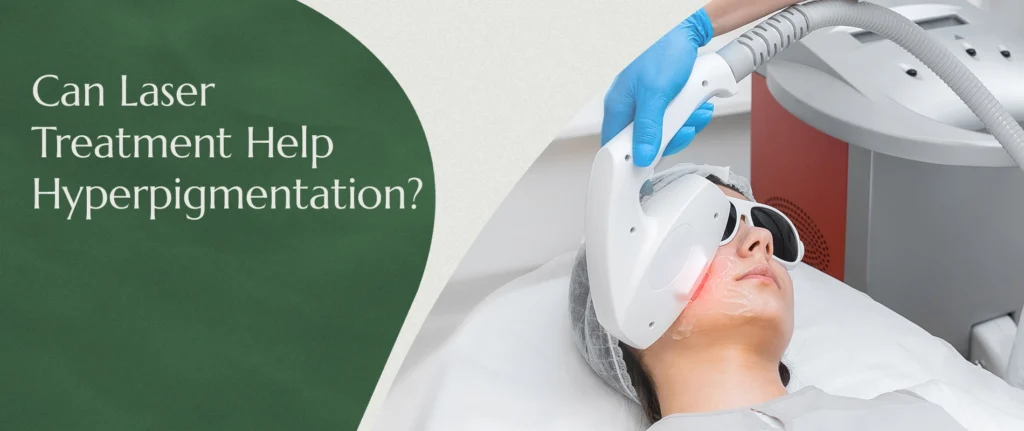
Yes, laser treatment can improve selected types of hyperpigmentation, but results depend on the diagnosis and the characteristics of the pigment. Pigment-targeting lasers deliver specific wavelengths of light that are absorbed by selected targets in the skin. Depending on the device and settings, this energy may help break down pigment or promote its gradual clearance. Discrete benign sunspots often behave differently from diffuse melasma or pigmentation left after acne. Laser treatment may also cause unwanted darkening, light patches, burns, or scarring if the treatment is unsuitable or too aggressive. For this reason, laser treatment for hyperpigmentation is not automatically the first or best option for every dark spot. A dermatologist should compare the likely benefit with the risk and consider non-laser treatments when appropriate.How Does Laser Treatment Target Excess Melanin?
Pigment-targeting lasers use selected wavelengths and pulse durations to deliver energy that is absorbed by melanin in the treated area. Depending on the technology, the energy can produce a photothermal effect, a photomechanical effect, or a combination of tissue responses. This can disrupt selected pigment deposits, which the body then gradually clears as the skin heals. The effect depends on the wavelength, energy level, pulse duration, pigment depth, and amount of melanin in the surrounding skin.Which Types of Hyperpigmentation Respond Best to Laser Treatment?
Well-defined, benign sunspots and selected superficial pigmented lesions may respond more predictably to suitable pigment-targeting lasers than diffuse or recurrent conditions. Some freckles and other diagnosed benign spots may also be considered for treatment, depending on skin tone and device suitability. Melasma and PIH are more complex because the pigment can recur or worsen if treatment stimulates further inflammation. The best candidates are identified through assessment rather than by the darkness of the spot alone.Can Laser Treatment Help With Melasma, Sunspots, and Acne Marks?
Laser treatment may improve selected sunspots and other benign pigmented lesions, while some patients with melasma or acne-related pigmentation may be considered for carefully chosen procedures. Melasma is particularly challenging because it often recurs and may worsen after irritating treatments. Acne marks may represent brown PIH, red post-inflammatory erythema, or true scars, and each can require a different approach. A dermatologist should establish which condition is present before recommending a laser or light-based treatment.When Might Laser Treatment Not Be the Best Option?
Laser treatment may not be the best starting point when pigmentation is active, unexplained, recently worsened, or associated with significant skin irritation. Topical treatments and sun protection may be more appropriate initially for some cases of melasma or PIH. A laser may also be unsuitable if the risk of burns or pigment changes outweighs the likely benefit for your skin. Suspicious lesions should be medically assessed rather than treated as ordinary cosmetic dark spots.Which Laser Treatments Are Used for Hyperpigmentation?
Several laser technologies can be used for selected pigmentation concerns, but they differ in wavelength, pulse duration, energy delivery, and depth of effect. Q-switched lasers and picosecond lasers can target certain pigment deposits, while fractional lasers create controlled treatment zones that may also improve texture. Some systems offer multiple wavelengths or handpieces, allowing a clinician to select different approaches for different concerns. Intense pulsed light (IPL) is another option for selected pigment conditions, but it is a light-based treatment rather than a laser. The device name alone does not establish whether a procedure is appropriate for melasma, PIH, or darker skin tones. Choosing the right technology requires a diagnosis, assessment of skin characteristics, and an individualized treatment plan.Q-Switched Laser for Pigmentation
Q-switched lasers deliver energy in very short pulses and can target selected benign pigmented lesions. Q-switched Nd systems may use different wavelengths, with the choice depending on the pigment and the person’s skin characteristics. These lasers are not suitable for every type of discoloration, and the risk of post-inflammatory hyperpigmentation remains important. A qualified clinician should select the settings carefully and explain the potential benefits and limitations before treatment.Picosecond Laser for Dark Spots
Picosecond lasers deliver extremely short pulses that can disrupt selected pigment deposits through a predominantly photomechanical effect, depending on the device and settings. PicoWay is one example of a picosecond laser platform, while PicoSure is another system with different technical characteristics. These devices may be considered for specific benign pigmented lesions, and some configurations have been studied or authorized for particular indications such as melasma. A picosecond laser is not automatically more effective or safer for every person, and suitability depends on the condition, wavelength, skin tone, and treatment protocol.Fractional Laser for Pigmentation and Skin Texture
Fractional lasers deliver energy into small treatment zones while leaving surrounding areas untreated, which supports the skin’s healing process. Depending on the device, fractional treatment may help selected forms of sun damage, uneven texture, and acne scarring, with pigment improvement as one possible benefit. Ablative fractional lasers generally create more surface injury and require more recovery than non-ablative fractional systems. Because this controlled injury can trigger PIH, fractional laser treatment requires particular care in people with melasma or a history of post-inflammatory pigmentation.Intense Pulsed Light (IPL) for Selected Pigment Concerns
Intense pulsed light, or IPL, uses filtered broad-spectrum light rather than a single laser wavelength. It may help selected superficial pigmentation and signs of photodamage when the skin condition and skin tone are appropriate for treatment. M22 IPL is one platform used for selected pigmentary concerns, but it is not suitable for every pigmentation disorder. IPL can also cause burns or unwanted pigment changes, so a clinical assessment is essential before proceeding.
How to Choose the Right Laser for Your Skin Condition
The appropriate laser depends on the diagnosis, pigment depth, skin tone, history of PIH, and whether the main concern is color, texture, or both. For example, a discrete sunspot may call for a different approach from widespread melasma or flat marks left by acne. The clinician should consider the device’s wavelength, pulse characteristics, cooling, and the settings needed for the individual skin. There is no single best laser treatment for pigmentation that suits everyone.Is Laser Treatment Safe for Darker Skin Tones?
Laser treatment can be considered for some people with darker skin tones, but careful selection and technique are especially important. Melanin in the surrounding epidermis can absorb some laser energy, increasing the risk of burns or unwanted pigment changes. The risk varies with the wavelength, pulse duration, energy, treatment area, and the condition being treated. A person’s history of PIH, melasma, recent tanning, or skin irritation can also affect suitability. Some longer-wavelength systems may offer advantages for particular indications, but no device is universally safe for every skin tone and pigment disorder. An experienced dermatologist should explain the risks, alternatives, and realistic outcomes before treatment.Why Skin Tone Matters When Choosing a Laser
Skin tone influences how much laser energy is absorbed by melanin in the epidermis as well as by the intended target. In some cases, this can narrow the margin between treating the pigment and injuring surrounding skin. People with medium-to-deeper skin tones may be more prone to post-inflammatory pigmentation after irritation or injury. Treatment selection should therefore be based on the person’s skin characteristics and diagnosis, not on a device’s marketing claims alone.Can Laser Treatment Worsen Hyperpigmentation?
Yes, laser treatment can cause or worsen hyperpigmentation if the skin develops excessive inflammation or injury. This can occur when the device, energy settings, or treatment approach is not suitable for the person’s skin or condition. Melasma and PIH may be especially difficult because new inflammation can stimulate further pigment production. Careful assessment, conservative treatment where appropriate, and consistent aftercare can reduce risk but cannot eliminate it entirely.Who Has a Higher Risk of Post-Inflammatory Hyperpigmentation?
People with a personal history of PIH, melasma, or dark marks after acne, burns, or cosmetic procedures may be more prone to pigment changes after laser treatment. Medium-to-deeper skin tones can also carry a higher risk of noticeable and persistent PIH after skin injury. Recent tanning, active dermatitis, irritation, and inadequate aftercare may add to the risk. Your clinician should review these factors before deciding whether a laser is appropriate.How Can a Dermatologist Reduce the Risk of Complications?
A dermatologist can begin by confirming the diagnosis and reviewing your skin tone, medical history, medications, previous treatments, and tendency to develop pigment changes. Depending on the case, the clinician may select a suitable wavelength and conservative settings, use appropriate cooling, or perform a test spot before treating a larger area. Some patients may benefit from preparing the skin with a clinician-guided skincare plan or choosing a non-laser alternative. Following the aftercare instructions and attending follow-up appointments also helps the clinician monitor healing and identify complications early.Is Laser Treatment for Hyperpigmentation Permanent?
Laser treatment may reduce the appearance of selected pigmented spots, but it cannot guarantee that all discoloration will disappear permanently. Some isolated benign lesions respond well, while other conditions involve ongoing pigment triggers that remain after a procedure. Melasma is particularly prone to recurrence because hormonal influences and light exposure can continue to stimulate pigmentation. PIH may also persist or recur if acne, inflammation, or skin irritation continues. Maintenance skincare and sun protection can help preserve improvement, although they cannot prevent every future mark. Long-term expectations should reflect the type of pigmentation rather than the device alone.Can Laser Treatment Remove Dark Spots Permanently?
Some well-defined benign pigmented lesions may clear substantially after suitable treatment, but complete and permanent removal cannot be promised. New sunspots can develop with ongoing sun exposure, and some pigmentary conditions can recur even after a good initial response. The result also depends on the diagnosis, pigment depth, and how the skin heals. A clinician should explain the likely outcome and possibility of repeat treatment before the procedure.Can Melasma or Other Pigmentation Return After Treatment?
Yes, melasma can return after laser treatment because its underlying triggers may remain active. PIH may also reappear if acne, irritation, injury, or another inflammatory condition causes new pigment changes. Sun exposure can make existing discoloration more visible or contribute to new spots. Recurrence does not necessarily mean that the original procedure failed, but it may mean that ongoing management is needed.How Can You Maintain Your Results?
Consistent sun protection is one of the most important ways to help limit new or worsening pigmentation after treatment. Follow the recommended skincare routine and avoid strong exfoliants or irritating products until the skin has recovered. If you are prone to melasma or PIH, your dermatologist may recommend ongoing topical treatment or maintenance reviews. Treating underlying triggers can help preserve improvement, although pigmentation may still recur.How Many Laser Sessions Are Needed for Hyperpigmentation?
The number of laser sessions varies according to the diagnosis, pigment depth, device, treatment settings, and individual response. Some isolated benign spots may improve after a limited number of sessions, while more persistent pigmentation may require a series of treatments or a different approach altogether. Melasma and PIH can be less predictable because both may recur or worsen after inflammation. The treatment plan should include realistic expectations about improvement, recovery, and the possibility that laser treatment may not be recommended. Cost also varies by the treatment area, device, number of sessions, and clinic’s assessment and care plan. A consultation is the most reliable way to discuss an individualized treatment schedule and cost in Riyadh.What Affects the Number of Sessions?
The type of pigmentation is one of the main factors that determines how many sessions may be needed. Deeper pigment, larger treatment areas, persistent conditions, and a cautious treatment strategy can all affect the schedule. The device used and the skin’s response after each session also influence whether further treatment is appropriate. Your clinician should review progress before recommending another session rather than following a fixed schedule regardless of response.How Long Does It Take to See Results?
Some treated spots may show visible changes after the initial healing period, while other conditions improve gradually over several weeks or longer. Pigment clearance depends on the type and depth of discoloration, the device, and the skin’s healing response. Melasma and PIH may require longer-term management, and early changes do not always predict the final result. Your dermatologist can explain when improvement should be assessed and when a different strategy may be needed.How Much Recovery Time Is Needed After Treatment?
Recovery can range from mild redness and sensitivity to several days of swelling, crusting, or peeling, depending on the device and treatment intensity. Non-ablative procedures may involve less downtime than more aggressive fractional resurfacing, but individual responses vary. Your skin may temporarily look darker or develop small crusts after some pigment-targeting treatments. Follow the specific aftercare instructions and allow the skin to heal before arranging additional procedures.What Are the Side Effects of Laser Pigmentation Treatment?
Laser pigmentation treatment can cause temporary side effects as the skin responds to the delivered energy. Common effects include redness, swelling, tenderness, sensitivity, and temporary changes in the appearance of the treated spots. Some procedures can cause pinpoint crusting or peeling, while more aggressive treatments may involve longer recovery. Less common but important complications include burns, blistering, infection, scarring, and darker or lighter patches of skin. The likelihood of these effects depends on the device, settings, treatment area, skin characteristics, and aftercare. Understanding these risks before treatment helps you make an informed decision with your dermatologist.Common Temporary Side Effects
Mild redness, swelling, warmth, and sensitivity can occur after many laser procedures. Some pigment-targeting treatments may also cause treated spots to darken temporarily or develop fine crusts before they settle. These effects often improve as the skin heals, but the expected recovery depends on the treatment performed. Your clinician should explain what is normal for your procedure and which symptoms need medical review.Potential Complications, Including Burns and Worsened Pigmentation
Excessive or unsuitable laser energy can injure the skin and cause burns, blisters, prolonged healing, scarring, or changes in skin color. Post-inflammatory hyperpigmentation and hypopigmentation can occur, meaning the treated area may become darker or lighter than the surrounding skin. People with a history of melasma or PIH may need particular caution because inflammation can trigger further discoloration. Discuss your individual risk and available alternatives before agreeing to treatment.When Should You Contact Your Dermatologist?
Contact your dermatologist if you develop increasing pain, worsening swelling, spreading redness, pus, or other signs that suggest infection. Blistering, severe burning, delayed healing, or unexpected dark or light patches should also be reported promptly. Do not pick crusts or apply unapproved active ingredients while the skin is recovering. Seek urgent medical care if you develop severe or rapidly worsening symptoms.What Should You Expect Before, During, and After Laser Treatment?
A well-planned laser procedure begins with diagnosis and assessment rather than immediately treating a dark spot. Your clinician should review your medical history, skin tone, previous reactions, medications, current skincare, and recent sun exposure. The treatment plan should explain the selected device, expected benefits, possible side effects, number of sessions, and likely recovery time. During the procedure, protective eyewear and appropriate device-specific safety measures are essential. After treatment, careful skincare and sun protection help support healing and reduce avoidable irritation. The exact process depends on the type of laser and the pigmentation being treated.How to Prepare for a Laser Session
Tell your dermatologist about all medicines, skincare products, previous cosmetic procedures, cold sore history, and any tendency to develop dark marks after irritation. Ask which active ingredients or treatments you should pause before the procedure, and follow the clinician’s instructions rather than stopping prescribed medication on your own. Avoid deliberate tanning and report any recent sunburn, skin irritation, or change in the lesion. Confirm the expected recovery, aftercare requirements, and when follow-up should take place.What Happens During the Procedure?
The clinician should first confirm the treatment area and review the procedure and safety precautions with you. Protective eyewear is used, and the device is adjusted according to the treatment goal, skin characteristics, and planned settings. You may feel brief snapping sensations, warmth, or discomfort, depending on the technology and the area being treated. The session length and need for cooling or topical anesthetic vary by device and treatment intensity.Aftercare: Sunscreen, Skincare, and Sun Exposure
Follow the clinic’s aftercare instructions, which may include gentle cleansing, a bland moisturizer, and temporary avoidance of irritating active ingredients. Protect the treated area from excessive sun exposure and use broad-spectrum sunscreen once your clinician advises that it is appropriate for the healing skin. A broad-brimmed hat and shade add protection, especially during outdoor exposure in Riyadh. Avoid picking crusts, scrubbing the area, or scheduling another procedure before the skin has recovered.What to Do if Dark Spots Appear After Laser Treatment
Some treated spots may temporarily darken as part of the expected response, but new or persistent discoloration can also indicate post-inflammatory pigmentation. Follow the instructions you were given and contact your clinic if the change is unexpected, worsening, or accompanied by significant irritation. Do not try to remove the marks with stronger acids, retinoids, or additional procedures while the skin is recovering. Your dermatologist can assess whether the discoloration is part of normal healing or requires a change in management.Laser Treatment vs. Other Hyperpigmentation Treatments
Laser treatment is one option for hyperpigmentation, but it is not always the most suitable starting point. Topical treatments may be effective for some forms of melasma and PIH, while chemical peels can help selected superficial pigmentation when carefully chosen. IPL may be useful for certain pigment concerns but differs from laser technology in how it delivers light. Some people benefit from combining approaches, while others may face a higher risk of irritation if too many treatments are used together. The best plan depends on the diagnosis, skin tone, pigment depth, sensitivity, and history of previous treatment. Comparing the options with a dermatologist can help you understand the potential benefits, risks, cost, and recovery associated with each approach.Laser Treatment vs. Topical Creams
Topical treatments may include ingredients such as azelaic acid, retinoids, hydroquinone when appropriate, or other clinician-recommended pigment treatments. They can be useful for selected types of hyperpigmentation and may also help manage contributing concerns such as acne. Laser treatment may be considered for specific benign lesions or persistent pigment, but it carries procedure-related risks and recovery considerations. The choice depends on the diagnosis, skin tolerance, and whether a non-procedural approach is likely to meet the treatment goal.Laser Treatment vs. Chemical Peels
Chemical peels use controlled chemical exfoliation to improve selected forms of superficial discoloration and uneven texture. Laser treatments deliver energy using particular wavelengths and pulse characteristics, which vary by device and indication. Both approaches can cause irritation and post-inflammatory pigmentation if the treatment is unsuitable or too aggressive. A dermatologist can help determine which option, if either, is appropriate for your skin and pigmentary condition.Laser Treatment vs. Other Light-Based Treatments
Lasers deliver energy at selected wavelengths, whereas IPL uses filtered broad-spectrum light. Both may be considered for selected pigmentation concerns, but they do not treat every condition equally and carry different risks depending on the device and settings. IPL may be suitable for some superficial sun-related spots, while a laser may be chosen for a more specific target. Neither option should be selected before the cause of the discoloration and the person’s skin characteristics are assessed.Can Combining Treatments Improve Results?
Combining treatments may help some patients when each component addresses a different aspect of their pigmentation or underlying skin condition. For example, a clinician may combine sun protection and topical treatment with a carefully selected procedure when appropriate. However, using multiple active ingredients or procedures too close together can increase irritation and the risk of PIH. Combination treatment should therefore be planned and monitored by a qualified clinician rather than assembled through trial and error.How to Choose a Clinic for Laser Pigmentation Treatment in Riyadh
Choosing a clinic involves more than comparing laser devices or advertised prices. The provider should be able to identify the type of pigmentation, explain the limits of laser treatment, and discuss alternatives when a procedure is not appropriate. Experience with your skin tone and condition is particularly important if you have melasma, PIH, or a history of pigment changes after irritation. You should receive clear information about the device, treatment settings, possible side effects, aftercare, and expected recovery. A trustworthy clinic will not promise that every dark spot can be removed permanently or that one laser is suitable for everyone. A personalized assessment helps ensure that the proposed treatment aligns with your skin’s needs and realistic goals.Why a Dermatological Assessment Matters
A dermatological assessment helps distinguish melasma, sunspots, PIH, freckles, and other conditions that can look similar. It also identifies factors that may affect treatment safety, such as active inflammation, recent tanning, previous procedures, or a tendency to develop dark marks. Some pigmented lesions require medical evaluation before any cosmetic laser or light treatment is considered. The diagnosis should guide the treatment plan rather than choosing a procedure simply because a spot looks dark.What to Ask About the Laser Device and Practitioner
Ask which device and wavelength are being considered, why they suit your diagnosis, and what alternatives are available. Find out who will perform the procedure, what experience they have treating your skin tone, and how they manage complications. Ask about the likely number of sessions, expected recovery, risks of PIH, and whether maintenance treatment may be needed. You should also receive clear aftercare instructions and know whom to contact if an unexpected reaction occurs.How to Find a Treatment Plan Suited to Your Skin Type
A suitable treatment plan accounts for your skin tone, diagnosis, pigment depth, sensitivity, previous treatment history, and willingness to follow aftercare. It may include skincare and sun protection before considering a laser or IPL procedure. If laser treatment is appropriate, the clinician should select the device and settings according to your individual needs and monitor your response. For hyperpigmentation treatment in Riyadh, Dr. Haitham Al-Gzlan can assess the pigmentation pattern and discuss suitable options based on the clinical findings.Conclusion
Laser treatment can help improve selected forms of hyperpigmentation, especially certain benign sunspots and pigmented lesions, but it is not a universal solution for every dark mark. Melasma and post-inflammatory hyperpigmentation need particular care because treatment-related inflammation can cause pigmentation to worsen or return. Q-switched and picosecond lasers, fractional lasers, and IPL have different roles, and IPL should not be confused with a laser. Skin tone, pigment depth, medical history, device settings, and aftercare all influence the risk and likely result. A proper dermatological assessment helps determine whether laser treatment, topical creams, chemical peels, or a combination approach is more suitable. If you are considering laser treatment for hyperpigmentation in Riyadh, Dr. Haitham Al-Gzlan can assess your skin and discuss an individualized plan with realistic expectations for improvement and maintenance.Frequently Asked Questions About Laser Treatment for Hyperpigmentation
Laser treatment can significantly reduce selected pigmented spots, but complete and permanent removal cannot be guaranteed. Melasma and PIH may recur, and new pigmentation can develop if the underlying triggers remain.
Neither option is universally better because the choice depends on the type of hyperpigmentation and your skin characteristics. Topical treatments may be appropriate for many cases, while selected lesions may benefit from a procedure after dermatological assessment.
Treatment may be possible in summer for selected patients, but recent tanning, sun exposure, and the ability to follow aftercare must be considered. Your dermatologist can advise whether to proceed, adjust the plan, or delay treatment until conditions are more suitable.
Yes, laser treatment can trigger post-inflammatory hyperpigmentation or other pigment changes, particularly if the skin is injured or the settings are unsuitable. Assessment, appropriate device selection, careful technique, and sun protection help reduce risk but cannot eliminate it completely.
Picosecond lasers use shorter pulses than traditional Q-switched lasers, but that does not make them the best choice for every pigmentation concern. Effectiveness and safety depend on the diagnosis, wavelength, device configuration, skin tone, and treatment settings.
Laser hair removal targets hair follicles and is not designed as a general treatment for melasma, sunspots, or PIH. If facial discoloration is related to irritation from shaving or ingrown hairs, a clinician can assess the cause and discuss appropriate treatment.