
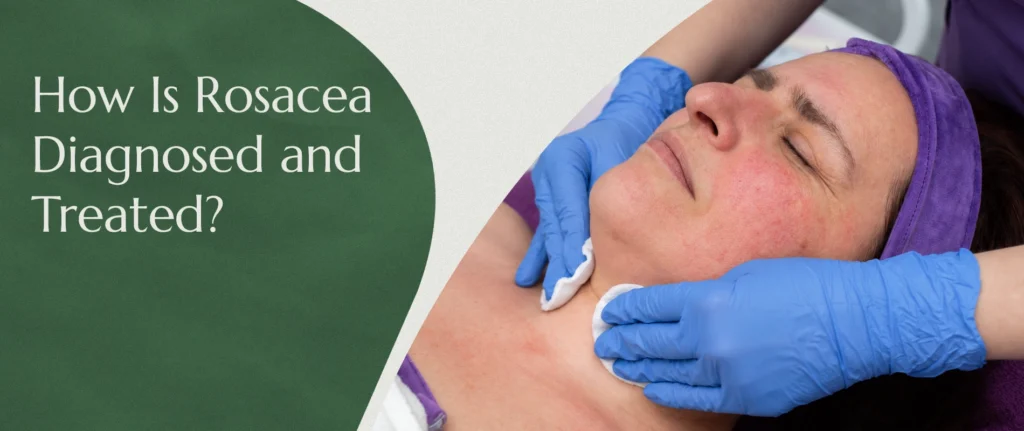
What Is Rosacea?
Rosacea is a chronic inflammatory skin condition that mainly affects the central face. It commonly appears on the cheeks, nose, forehead, and chin, although the neck, chest, scalp, or eyes can also be involved. Signs may include persistent facial redness, flushing, visible blood vessels, and acne-like papules or pustules. Skin may also feel dry, sensitive, hot, burning, or stinging. The pattern and severity differ, and symptoms can flare and settle over time. Rosacea can occur in all skin tones, though redness may look brown or purple or be less obvious on darker skin. It is not contagious or caused by poor hygiene, and a professional assessment helps distinguish it from other skin conditions.How Is Rosacea Diagnosed?
Diagnosing rosacea usually begins with a clinical assessment by a doctor or dermatologist. The clinician asks about your symptoms, when they started, and whether anything appears to trigger or worsen them. They examine your facial skin for patterns of redness, flushing, visible blood vessels, and inflammatory bumps. They may also ask about eye symptoms, skincare products, medications, and previous treatments. Because rosacea does not look the same in everyone, the assessment considers the full pattern rather than one isolated sign. There is no routine laboratory test that confirms rosacea, although additional tests may be appropriate when another condition is suspected. An accurate diagnosis helps guide treatment and reduces the risk of using products or medications that may irritate your skin.What Does a Dermatologist Look for When Diagnosing Rosacea?
During a skin examination, a dermatologist looks for persistent redness in the central face, episodes of flushing, and small visible blood vessels. They also check for inflammatory papules and pustules, skin thickening, and signs of irritation or sensitivity. Your medical history can help identify recurring patterns, personal triggers, medication use, and previous reactions to treatment. On darker skin, a clinician may pay particular attention to warmth, swelling, burning, bumps, and changes in skin texture because redness can be less apparent.Is There a Specific Test for Rosacea?
There is no specific blood test, swab, or imaging test that routinely confirms rosacea. Diagnosis is generally based on the appearance of the skin, your symptoms, and your medical history. If the findings are unusual, a doctor may arrange tests to investigate another possible cause, and a skin biopsy is only considered in selected cases. If you have eye symptoms, an eye-care professional may need to examine your eyes and eyelids as well.Which Skin Conditions Can Be Mistaken for Rosacea?
Rosacea can resemble acne vulgaris, seborrheic dermatitis, contact dermatitis, and other inflammatory skin conditions. Acne commonly includes blackheads or whiteheads, while rosacea more often causes central facial redness and inflamed bumps without comedones. Contact dermatitis may cause itching or irritation linked to a particular product, and seborrheic dermatitis often produces flaky areas around the nose, eyebrows, or scalp. Lupus and some other conditions can also cause facial redness, so persistent or unusual symptoms should be assessed by a clinician rather than self-diagnosed.How Is Rosacea Treated?
Rosacea treatment aims to control symptoms, reduce inflammation, and limit flare-ups rather than provide a permanent cure. The most suitable approach depends on whether your main concern is persistent redness, flushing, inflammatory bumps, visible blood vessels, eye symptoms, or skin thickening. Mild rosacea may respond to gentle skincare, sun protection, trigger management, and a prescribed topical treatment. More persistent or severe symptoms may require oral medication or a combination of treatments. Laser and light-based procedures can help with selected concerns, particularly visible blood vessels and some forms of persistent redness. There is no single best treatment for rosacea, and a treatment that helps one symptom may not address another. A dermatologist can build a personalized plan and review its effectiveness, tolerability, and any side effects over time.Topical Medications for Rosacea
Topical medications are commonly used when rosacea causes inflammatory bumps or pustules. A dermatologist may recommend azelaic acid, metronidazole, or ivermectin cream, depending on the symptoms and skin’s tolerance. For persistent facial redness, prescription brimonidine or oxymetazoline may temporarily reduce redness by narrowing superficial blood vessels. These medicines can cause irritation or other side effects in some people, so follow the prescribed directions and contact your clinician if symptoms worsen.Oral Medications for Rosacea
Oral medication may be considered when rosacea causes more widespread inflammatory bumps or does not respond adequately to topical treatment. Doxycycline is commonly prescribed for its anti-inflammatory effects, with the dose and duration determined by the clinician. In selected severe or persistent cases, a dermatologist may consider other prescription medicines, such as isotretinoin, after discussing the risks and monitoring required. Prednisone is not a routine treatment for rosacea, and facial corticosteroids can trigger or worsen rosacea-like symptoms, so do not start, stop, or change prescribed steroids without medical advice.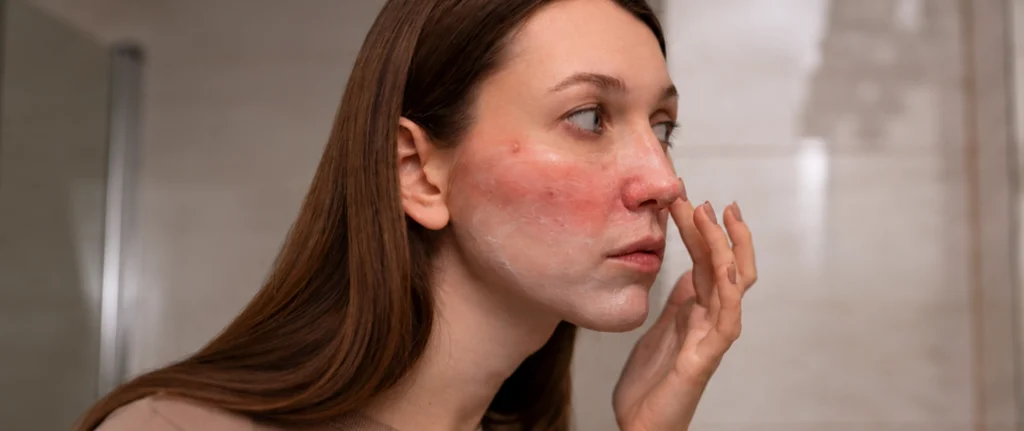
Laser and Light-Based Treatments for Rosacea
Vascular lasers and intense pulsed light (IPL) may help reduce visible blood vessels and certain types of persistent facial redness. These medical procedures target selected blood vessels, so they do not treat every feature of rosacea or replace skincare and medication when those are needed. Results vary, and some people require a series of sessions or maintenance treatments. A qualified clinician should assess your skin tone, pigmentation history, symptoms, and risk of side effects before recommending a device, since inappropriate settings can cause burns or changes in skin colour.Treatment for Ocular Rosacea
Ocular rosacea affects the eyes and eyelids and may cause dryness, a gritty feeling, redness, irritation, or inflamed eyelid margins. Management may include careful eyelid hygiene, artificial tears, prescription eye treatments, or oral medication, depending on the findings. An ophthalmologist may be needed when symptoms are persistent, severe, or difficult to control. Eye pain, light sensitivity, blurred vision, or a significantly red eye requires urgent medical assessment because these symptoms may indicate a more serious eye problem.Treatment for Phymatous Rosacea
Phymatous rosacea can cause thickened, uneven skin, most often around the nose, a change commonly known as rhinophyma. When inflammation is active, a dermatologist may recommend medication to help control it and prevent further progression. Established skin thickening may require a procedure such as laser resurfacing, surgical reshaping, or another tissue-removal technique selected for the individual case. The appropriate approach depends on the degree of thickening, the area affected, skin characteristics, and the clinician’s assessment.How Can Skin Care Help Manage Rosacea?
A gentle skincare routine supports rosacea treatment by reducing irritation and helping maintain the skin barrier. Cleansing, moisturizing, and daily sun protection are useful foundations, whether symptoms are mild or more persistent. Products that are too harsh may cause burning, stinging, dryness, or a flare-up, so introducing new products gradually can help identify problems. Skincare alone may not control every symptom, particularly visible blood vessels or significant inflammatory bumps. There is no single best facial treatment for rosacea, and aggressive facials may aggravate redness-prone skin. Choose products based on your skin’s tolerance rather than relying on claims that a product can cure rosacea. A dermatologist can recommend a routine that complements medication or medical procedures.Choosing Gentle Skin Care Products
Use a mild cleanser, lukewarm water, and a fragrance-free moisturizer that feels comfortable on your skin. Avoid harsh scrubs, abrasive brushes, and products that repeatedly cause stinging or burning, including strong exfoliants if they aggravate your symptoms. Look for skincare labelled for sensitive skin, but remember that even a product with this label can cause irritation in some people. If a new product triggers persistent redness or discomfort, stop using it and ask your dermatologist whether an alternative would be more suitable.The Importance of Daily Sun Protection
Sun exposure is a common rosacea trigger, so daily broad-spectrum sunscreen with SPF 30 or higher is an important part of treatment. Choose a formula that your skin tolerates, and consider a fragrance-free mineral sunscreen containing zinc oxide or titanium dioxide if other products sting. Reapply as directed, especially after sweating or spending extended time outdoors, and use shade, a hat, and other protective clothing. In Riyadh’s strong sun and hot climate, combining sunscreen with practical heat and sun protection may help reduce flare-ups.Which Lifestyle Changes Can Help Control Rosacea?
Lifestyle changes can support medical treatment by reducing exposure to triggers that make symptoms worse. Common triggers include sunlight, heat, sudden temperature changes, stress, exercise-related overheating, alcohol, spicy foods, and hot drinks. However, triggers vary from person to person, and avoiding every item on a general list is not necessary if it does not affect your skin. A simple record of symptoms and daily activities can help reveal patterns that are otherwise difficult to notice. Try to make practical adjustments, such as cooling down gradually after exercise or choosing cooler drinks when heat triggers flushing. Stress-management techniques and consistent sleep may also help some people manage flare-ups. These measures work best alongside appropriate skincare and a treatment plan tailored to your symptoms.Identifying and Avoiding Personal Triggers
Keep a brief diary of flare-ups, noting the weather, sun exposure, exercise, stress, foods, drinks, and skincare products used around the time symptoms appear. Look for repeated patterns rather than assuming that one event caused every episode of redness. If heat is a trigger, try cooler environments, breathable clothing, and lower-intensity exercise when needed. Share your observations with your dermatologist so your rosacea management plan can address the triggers that matter most to you.Can Certain Foods and Drinks Worsen Rosacea?
Some people notice more flushing after spicy foods, hot beverages, or alcohol, while others do not experience a clear food-related pattern. Temperature may matter as much as the drink itself, so a cooler beverage may be better tolerated than a very hot one. Rather than following a restrictive diet, record any suspected food or drink triggers and change only what consistently worsens your symptoms. If you notice no reliable connection, there is usually no reason to avoid that food solely because you have rosacea.How Long Does Rosacea Treatment Take to Work?
The time needed to see improvement depends on the type of rosacea, the treatment used, and how consistently it is followed. Some prescription treatments for redness may work relatively quickly, although their effects can be temporary and depend on the medicine. Treatments for inflammatory bumps often take several weeks to show a noticeable response, and fuller improvement may take a few months. Laser or light-based treatment may require multiple sessions, with results developing over time as the skin settles. Irritation or side effects can affect how well you tolerate a treatment, so report persistent discomfort to your clinician. Do not increase doses or combine products in an attempt to speed up results. Your dermatologist can review your progress and adjust the plan if symptoms are not improving as expected.Can Rosacea Be Cured or Is Long-Term Management Needed?
There is currently no established cure that permanently eliminates rosacea, but symptoms can often be controlled with appropriate treatment. The condition may alternate between flare-ups and quieter periods, and symptoms can return even after the skin improves. Long-term management commonly involves gentle skincare, sun protection, trigger awareness, and medication when needed. Some people can reduce or pause certain medicines after improvement, but any change should be discussed with the prescribing clinician. Others need ongoing treatment or occasional maintenance to control persistent redness, inflammatory bumps, or recurring symptoms. Early assessment can help identify the right approach and prevent unnecessary irritation from unsuitable products or treatments. The aim is to reduce symptoms, protect skin health, and help you maintain comfortable skin over time.When Should You See a Dermatologist for Rosacea?
Consider a dermatologist consultation if you have recurring facial flushing, persistent redness, visible blood vessels, or red bumps that do not improve with gentle skincare. An assessment is also useful when symptoms are worsening, affecting your confidence, or repeatedly returning despite self-care. Seek professional advice before using prescription medicines or strong facial treatments, particularly if your skin is highly sensitive or previous treatments caused irritation. A dermatologist can distinguish rosacea from acne, dermatitis, and other conditions and recommend a treatment suited to your symptoms. If you are looking for a rosacea dermatologist in Riyadh, ask about experience with your specific symptoms, treatment options, and the risks and benefits of any proposed procedure. Eye symptoms should not be overlooked, because ocular rosacea may need separate treatment. Seek urgent medical assessment if you have eye pain, light sensitivity, blurred vision, or a red eye, as these can indicate a potentially serious problem.Conclusion
Rosacea can cause persistent facial redness, flushing, visible blood vessels, inflammatory bumps, and sometimes eye symptoms. Because several skin conditions can look similar, an accurate diagnosis is an important first step toward effective treatment. Options may include topical medication, oral treatment, laser or light-based procedures, and targeted care for eye symptoms or skin thickening. Gentle skincare, daily sun protection, and awareness of personal triggers can also support symptom control. There is no single best treatment or permanent cure for everyone, so the plan should reflect your symptoms, skin characteristics, and response to care. If redness or bumps persist, worsen, or affect your daily life, arrange an assessment with a qualified dermatologist. With personalized treatment and consistent long-term management, many people can reduce flare-ups and improve the comfort and appearance of their skin.Frequently Asked Questions About Rosacea Diagnosis and Treatment
Yes, rosacea can cause red papules and pustules that resemble acne, but it usually does not produce the blackheads and whiteheads typical of acne vulgaris. A dermatologist can distinguish the conditions and recommend treatment for the correct cause.
Rosacea symptoms can settle for a time, but the underlying condition is usually chronic and may flare again. Appropriate treatment and trigger management can help control symptoms even when they do not disappear permanently.
The most effective treatment depends on whether your main symptoms are redness, flushing, inflammatory bumps, visible blood vessels, eye irritation, or skin thickening. A dermatologist may recommend medication, skincare changes, laser or light therapy, or a combination of approaches.
To reduce facial redness, use gentle skincare and daily sun protection, and discuss prescription treatments or vascular procedures with a dermatologist. The best option depends on whether the redness is temporary flushing, persistent redness, or redness associated with visible blood vessels.
Prescription brimonidine or oxymetazoline may temporarily reduce persistent redness, while vascular laser or IPL may help selected cases of visible blood vessels and redness. These treatments are not suitable for everyone, so a clinician should assess your skin and explain likely benefits and risks.
Book an assessment with a dermatologist or other qualified clinician, who will review your symptoms and medical history and examine your skin. There is no specific test that routinely confirms rosacea, but additional investigations may be used to rule out other conditions when necessary.