
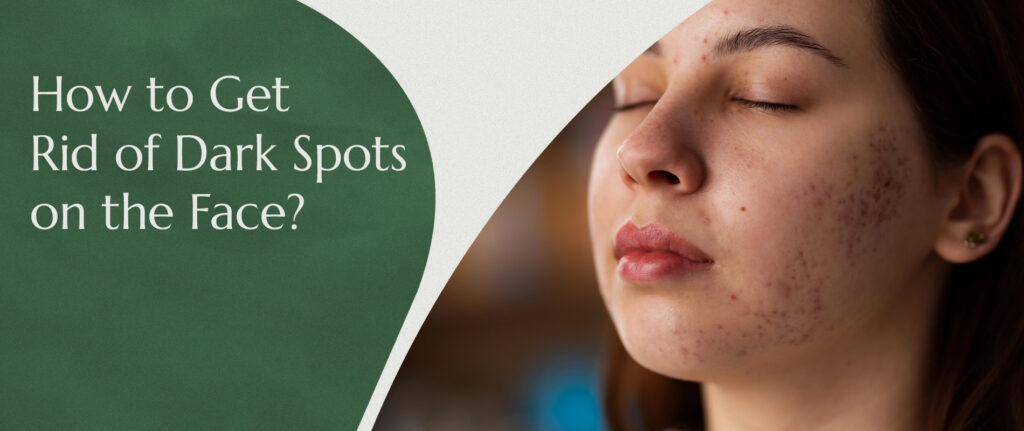
Getting rid of dark spots on the face starts with understanding what caused them. Acne marks, melasma, sun spots, irritation, and age-related pigmentation can look similar but do not always respond to the same treatment. Daily sun protection is the foundation because UV and visible light can keep pigmentation active or make existing marks darker. At home, ingredients such as vitamin C, niacinamide, azelaic acid, retinoids, and selected exfoliating acids may gradually improve uneven skin tone. The safest approach is usually to introduce one active ingredient at a time rather than combining several strong dark spot treatments immediately. Persistent pigmentation may respond to prescription creams, chemical peels, lasers, IPL, microneedling, or other dermatologist-selected treatments depending on the diagnosis. A dermatologist should assess spots that are changing, unusual, resistant to treatment, or difficult to distinguish from melasma, post-inflammatory hyperpigmentation, or sun damage.
What Are Dark Spots on the Face?
Dark spots are areas of facial skin that appear darker than the surrounding natural skin tone. They may look tan, brown, dark brown, grey-brown, or blue-grey depending on skin tone, pigment depth, and the underlying cause. Common examples include post-acne pigmentation, melasma, solar lentigines or age spots, freckles, and other forms of hyperpigmentation. People may also search for these concerns as black marks, black dots, dark patches, facial discoloration, or black spots on the face. However, not every dark-looking mark is caused by excess melanin. Red or pink marks after acne can represent post-inflammatory erythema, while depressed or raised areas are structural scars rather than simple pigmentation. Identifying what type of spot is present makes dark spot treatment safer and more effective.
What Is Hyperpigmentation?
Hyperpigmentation is a broad term for skin that becomes darker because of increased or abnormally distributed pigment. Melanocytes produce melanin and can become more active after sunlight, inflammation, hormonal signals, injury, or other triggers. Excess melanin may remain near the surface or be deposited deeper in the skin, affecting how the discoloration looks and how quickly it fades. Hyperpigmentation is therefore a description rather than one specific diagnosis, and melasma, PIH, and sun spots all require somewhat different approaches.
What Causes Dark Spots on the Face?
Dark spots develop when pigment-producing pathways become more active or melanin accumulates unevenly within the skin. Sun exposure is one of the most important triggers because UV radiation can create new pigmentation and darken marks caused originally by acne or inflammation. Acne, eczema, burns, cuts, and other inflammatory problems commonly leave post-inflammatory hyperpigmentation after healing. Hormonal changes can contribute to melasma, while years of cumulative sun exposure can produce solar lentigines or age spots. Irritating skincare, cosmetic procedures, friction, and skin picking can create additional pigment through inflammation. Certain medications can also change skin color directly or increase sensitivity to sunlight. Because several causes can coexist, successful treatment starts by controlling the source of pigment rather than simply applying the strongest available brightening product.
Sun Exposure and UV Damage
UVA and UVB radiation stimulate melanocytes and increase melanin production in exposed skin. Repeated exposure can produce sun spots, deepen acne-related PIH, and make melasma more noticeable or recurrent. Sun damage can accumulate gradually without a person experiencing obvious sunburn every time. Photoprotection therefore matters even when the original dark spot was caused by acne, injury, or another trigger.
Hormonal Changes and Melasma
Melasma commonly creates symmetrical brown or grey-brown patches across the cheeks, forehead, nose, or area above the upper lip. Pregnancy, some hormonal contraceptives, hormone therapy, sunlight, visible light, and genetics can all contribute to its development. Melasma behaves differently from an isolated sun spot because its underlying pigment-producing tendency can remain after the visible discoloration fades. Prescribed hormonal medication should never be stopped solely because of pigmentation without discussing the decision with the prescribing clinician.
Acne, Pimples, and Post-Inflammatory Hyperpigmentation
Inflammatory acne frequently leaves flat brown, dark-brown, or grey marks known as post-inflammatory hyperpigmentation. These marks occur because inflammation stimulates melanocytes while the pimple heals and can be particularly persistent in medium and darker skin tones. Controlling acne is just as important as fading existing marks because every new inflamed pimple can create another area of pigmentation. Salicylic acid and other acne treatments may therefore help prevent new dark spots by controlling breakouts even when their primary role is not direct pigment removal.
Age-Related Dark Spots and Skin Aging
Age spots are more accurately called solar lentigines because cumulative UV exposure is a major factor in their development. They generally appear as separate, well-defined brown spots on facial areas that have received substantial sunlight over time. Unlike many freckles, established solar lentigines often remain visible rather than fading significantly during seasons with less sunlight. A spot that changes in size, shape, color, surface, or symptoms should be medically examined before being treated as an ordinary age spot.
Skin Irritation and Harsh Skincare Products
Repeated burning, stinging, peeling, or dermatitis can create inflammation that leaves additional pigmentation behind. Overusing acids, scrubs, retinoids, bleaching products, or several strong active ingredients simultaneously can damage the skin barrier. This is especially counterproductive in skin that readily develops PIH after inflammation. If a dark spot routine continually makes the face red, sore, or flaky, simplifying the routine may produce better long-term pigment control than increasing treatment strength.
Medications and Other Causes of Pigmentation
Some medications can cause pigmentation through increased melanin, medication deposits, inflammation, or photosensitivity. The resulting discoloration may not follow the same pattern as acne marks, melasma, or ordinary sun spots. Medication history becomes particularly useful when facial or body pigmentation appears after a new treatment or changes gradually during long-term therapy. Never stop a prescribed medicine independently because the prescribing clinician should determine whether it is responsible and whether changing treatment is medically appropriate.
How to Get Rid of Dark Spots on the Face at Home
At-home dark spot treatment works best when it combines trigger control, photoprotection, and one or two well-tolerated active ingredients. Sunscreen comes first because continued light exposure can undermine the effects of even a well-formulated pigmentation serum. Tinted sunscreen with iron oxides can provide additional visible-light protection, particularly for melasma and pigmentation-prone darker skin. Vitamin C, niacinamide, azelaic acid, retinoids, glycolic acid, and other selected ingredients can gradually improve superficial pigmentation through different mechanisms. Some ingredients mainly target pigment, while others help by controlling acne, reducing inflammation, supporting skin renewal, or protecting the skin barrier. Combining every brightening ingredient at once does not make dark spots disappear faster and may create enough irritation to worsen PIH. Give a simple, consistent routine time to work before moving to stronger or professional treatment.
Use Broad-Spectrum Sunscreen Every Day
Choose a broad-spectrum, water-resistant sunscreen with SPF 30 or higher for exposed facial skin. Sunscreen does not bleach pigment directly, but it reduces UV stimulation that can darken existing spots and interfere with natural fading. Apply enough product to cover the face evenly and reapply during prolonged outdoor exposure or after substantial sweating or swimming. Daily protection is particularly important while using retinoids, acids, prescription pigmentation creams, or undergoing professional treatment.
Choose Tinted Sunscreen With Iron Oxides
Tinted sunscreens containing iron oxides can reduce exposure to visible light as well as provide cosmetic coverage for uneven skin tone. Visible-light protection is particularly relevant to melasma and persistent hyperpigmentation in medium and darker skin tones. The product should also provide broad-spectrum SPF 30 or higher rather than relying on the tint alone. Choose a shade, texture, and finish that you can apply generously enough to use consistently.
Use Vitamin C for Uneven Skin Tone
Vitamin C is an antioxidant that can influence pathways involved in melanin production and help improve the appearance of uneven skin tone. It is commonly used in morning routines because it can complement sunscreen and antioxidant photoprotection. Effectiveness depends partly on formulation, concentration, stability, packaging, and individual skin tolerance. Vitamin C is useful for gradual brightening but should not be expected to erase deep PIH, melasma, or established age spots by itself.
Try Niacinamide to Improve Skin Tone
Niacinamide is a form of vitamin B3 that can help support the skin barrier and reduce the transfer of pigment within the epidermis. It is generally well tolerated and can be useful when dark spots occur alongside acne, sensitivity, or barrier irritation. Niacinamide can also be combined with many other skincare ingredients when introduced appropriately. Its effects are gradual, so it is better viewed as part of a consistent pigmentation routine than a quick dark spot remover.
Consider Azelaic Acid for Dark Spots and Acne Marks
Azelaic acid can address both inflammatory acne and uneven pigmentation, making it particularly useful for post-acne dark spots. It influences pigment production while also having anti-inflammatory effects that can help control one of the triggers for new PIH. Mild stinging, dryness, or irritation can occur initially, so frequency can be adjusted to skin tolerance. Azelaic acid is also among the ingredients that may be considered during pregnancy, although individual treatment should still be reviewed with the appropriate healthcare professional.
Use Retinoids to Support Skin Renewal
Retinoids such as retinol, adapalene, and prescription tretinoin increase cell turnover and can gradually improve certain forms of facial hyperpigmentation. They may be especially useful when acne, uneven skin tone, and signs of photoaging occur together. Starting too frequently can cause dryness and dermatitis, which can create additional PIH in pigmentation-prone skin. Topical retinoids should be avoided during pregnancy unless specific medical guidance indicates otherwise.
Consider Glycolic Acid and Other Chemical Exfoliants
Glycolic acid and other alpha-hydroxy acids can help remove superficial pigmented cells and improve epidermal discoloration over time. Salicylic acid may be particularly useful when dark marks occur alongside oily or acne-prone skin because its acne-control benefits can help prevent new PIH. Frequent or high-strength exfoliation can inflame the skin and produce the opposite of the intended result. Use one exfoliating strategy at a time and avoid treating visible peeling or burning as proof that the product is working.
Moisturize and Protect the Skin Barrier
Moisturizer does not directly remove excess melanin, but a healthy skin barrier helps the skin tolerate treatments consistently. Ingredients such as glycerin, ceramides, panthenol, hyaluronic acid, or squalane can provide hydration and barrier support depending on the formulation. This becomes particularly important when retinoids, acids, or other active ingredients cause dryness. If pigmentation treatment repeatedly produces irritation, adding more pigment actives is usually less useful than first restoring skin comfort.
How to Build a Skincare Routine for Dark Spots
A useful dark spot routine can remain relatively simple while still addressing several pigment pathways. In the morning, focus on gentle cleansing, one selected brightening ingredient, moisturizer when necessary, and broad-spectrum sunscreen. At night, use one main active treatment such as azelaic acid, a retinoid, or a dermatologist-recommended pigment product before moisturizing. Adding new ingredients one at a time makes it easier to identify what helps and what causes irritation. Product frequency should be increased according to tolerance rather than because pigmentation feels slow to improve. Persistent redness, burning, peeling, or tenderness is a signal to reduce irritation rather than add another acid or serum. A routine followed consistently for several months generally provides more useful information than changing products every few weeks.
Morning Skincare Routine for Hyperpigmentation
Cleanse with a gentle product that removes oil and residue without leaving the skin tight or irritated. Apply one suitable treatment ingredient such as vitamin C, niacinamide, or azelaic acid rather than assuming all three are necessary. Add moisturizer if your skin needs additional hydration or barrier support. Finish with broad-spectrum sunscreen, with a tinted iron-oxide formulation particularly useful when visible-light protection is relevant.
Nighttime Skincare Routine for Dark Spots
Begin by removing sunscreen, makeup, and daily debris with a gentle cleansing routine. Apply one primary treatment such as a retinoid, azelaic acid, or another pigment treatment suited to your diagnosis. Follow with moisturizer to limit excessive dryness and support barrier recovery overnight. Avoid turning every evening into an intensive peel because repeated irritation can create more dark marks.
How to Layer Skincare Ingredients Safely
A practical routine usually applies treatment serums before moisturizer, while sunscreen remains the final morning skincare step. Strong exfoliating acids and retinoids often do not need to be used together on the same evening, especially when treatment is new. One strategy is to use an antioxidant or pigment serum in the morning and a retinoid on selected nights, adjusting according to tolerance. Prescription hydroquinone, tretinoin, or combination creams should follow individualized medical instructions rather than generic social-media layering routines.
How Often Should You Use Brightening Ingredients?
There is no universal frequency because formulations, ingredient strengths, skin sensitivity, and existing routines differ. Gentler ingredients may eventually be tolerated daily, while retinoids and exfoliating acids often benefit from a slower introduction. Using an active more often than your skin can tolerate can produce inflammation without proportionally improving pigment clearance. Increase frequency gradually and reduce it when persistent burning, redness, dryness, or peeling develops.
Common Skincare Mistakes That Can Worsen Dark Spots
Picking or squeezing pimples prolongs inflammation and increases the likelihood of post-acne pigmentation. Another common mistake is combining multiple acids, scrubs, retinoids, and brightening products because stronger irritation is mistaken for faster treatment. Skipping sunscreen can allow sunlight to repeatedly stimulate pigment while active ingredients are trying to reduce it. Switching to harsher products whenever results are slow can turn a manageable pigmentation concern into persistent PIH and barrier damage.
What Dermatologist Treatments Remove Dark Spots?
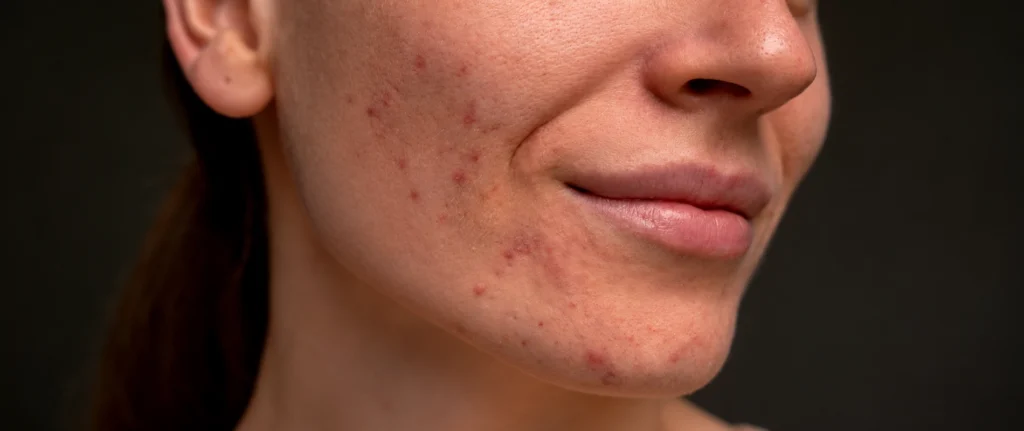
Dermatologist treatment should begin with identifying whether the dark spot is PIH, melasma, a solar lentigo, a freckle, medication pigmentation, or another lesion. Prescription topical therapy may be appropriate for diffuse pigmentation such as melasma or persistent PIH. Chemical peels can help selected superficial pigment but need conservative strength in skin that develops PIH easily. Pigment-targeting lasers or IPL can work particularly well for selected sun spots, while melasma requires greater caution because inflammatory or thermal treatment can cause recurrence. Microneedling may be considered for selected pigmentation concerns and can be particularly relevant when acne-related texture is also present. Isolated solar lentigines may have lesion-specific options such as carefully selected laser, IPL, or cryotherapy that would not necessarily be appropriate for diffuse facial pigmentation. The best professional treatment therefore depends on the diagnosis, pigment depth, skin tone, sensitivity, previous response, and risk of creating additional pigmentation.
Prescription Creams for Hyperpigmentation
Hydroquinone is a well-established pigment-reducing treatment that may be prescribed for selected hyperpigmentation and melasma cases. Dermatologists may also consider tretinoin, triple-combination therapy, azelaic acid, cysteamine, kojic acid, tranexamic acid, or other pigment-modulating preparations depending on the diagnosis. Hydroquinone and prescription combinations require appropriate supervision because excessive or prolonged use can cause irritation and, rarely, abnormal discoloration such as ochronosis. Pregnancy status matters because retinoids and hydroquinone are generally avoided during pregnancy.
Chemical Peels for Facial Pigmentation
Chemical peels use controlled acids to exfoliate selected layers of skin and can improve some superficial facial pigmentation. Glycolic, salicylic, lactic, or other peel formulations may be selected depending on skin characteristics and the type of dark spot. Medium and darker skin tones can be treated, but overly aggressive peeling increases the possibility of PIH. Professional peels should therefore be chosen for a diagnosed pigmentation problem rather than simply increasing acid strength until the skin visibly sheds.
Laser Treatments for Dark Spots
Laser treatment can target melanin within selected pigmented lesions, but device selection depends heavily on what type of pigmentation is present. Technologies such as PicoWay may be considered for appropriate pigmentation concerns, while fractional systems may be selected when texture or broader skin renewal is also part of the treatment goal. IPL can treat selected superficial pigmentation and photodamage but is broad-spectrum light rather than a laser and is not suitable for every melasma or darker-skin case. An experienced dermatologist should select wavelength, energy, and treatment strategy because excessive injury can create PIH, hypopigmentation, or recurrent pigmentation.
Microneedling for Selected Pigmentation Concerns
Microneedling creates controlled micro-injuries and has been studied as an adjunct for selected melasma and PIH treatment plans. It may be helpful when pigmentation occurs together with acne scars or other textural concerns. However, aggressive depth or inflammation can provoke PIH in susceptible skin rather than improve it. Microneedling should therefore be selected according to diagnosis and skin characteristics rather than marketed as a universal dark spot remover.
Which Treatments Are Suitable for Darker Skin Tones?
Darker and melanin-rich skin can respond well to pigmentation treatment when inflammation and energy are controlled carefully. The same melanin that creates visible pigmentation can also absorb treatment energy and increase the risk of PIH after some lasers or aggressive procedures. More conservative peel strength, laser settings, treatment density, and recovery plans may therefore be appropriate. Previous PIH, melasma, skin sensitivity, recent sun exposure, and response to earlier procedures should all inform treatment selection.
How to Treat Dark Spots Safely in Riyadh’s Climate
Managing dark spots in Riyadh requires consistent photoprotection because regular sunlight can maintain or deepen facial pigmentation. Everyday exposure can accumulate during driving, walking, commuting, outdoor exercise, and errands even when there is no obvious sunburn. Hot weather and sweating can also reduce sunscreen coverage when the product is wiped away or removed by moisture. A broad-spectrum, water-resistant SPF 30 or higher is therefore a practical foundation for pigmentation-prone skin. Tinted formulations containing iron oxides can provide additional visible-light protection when melasma or persistent hyperpigmentation is a concern. Hats, shade, sunglasses, and appropriate protective clothing can further reduce avoidable exposure during longer periods outside. Persistent dark spots should be diagnosed before escalating to stronger peels, lasers, IPL, or other procedures simply because skincare has been slow.
How Sun Exposure Can Worsen Facial Pigmentation
Ultraviolet radiation can stimulate melanocytes and darken PIH, melasma, freckles, and sun spots. This means post-acne marks may remain darker for longer even though sunlight was not the original cause. Visible sunlight can also influence pigmentation, with particular relevance to melasma and darker skin tones. Consistent light protection gives topical or procedural treatment a better chance to maintain improvement.
Choosing Sunscreen for Riyadh’s Hot Weather
Look for broad-spectrum SPF 30 or higher and consider water resistance when heat and sweating are expected. Patients with oily or acne-prone skin may prefer a non-comedogenic fluid or gel texture that is comfortable enough for adequate application. Tinted iron-oxide sunscreen is worth considering when melasma or visible-light-sensitive pigmentation is present. The best sunscreen is one that provides appropriate protection and can realistically be reapplied when extended outdoor exposure makes reapplication necessary.
How to Protect Your Skin During Summer
Reapply sunscreen during prolonged outdoor exposure and after substantial sweating or swimming according to the product’s directions. Wide-brimmed hats, shade, sunglasses, and sun-protective clothing can reduce the amount of light reaching exposed skin. Avoid responding to summer pigmentation by suddenly using several strong acids, peels, or bleaching products because inflammation can make discoloration worse. Continue a consistent routine and allow skin that becomes irritated to recover before intensifying treatment.
When to Consult a Dermatologist in Riyadh
Seek professional assessment when pigmentation is persistent, recurrent, spreading, or difficult to identify as acne marks, melasma, freckles, or sun spots. Consultation is also useful before prescription hydroquinone, strong chemical peels, microneedling, IPL, or pigment-targeting laser treatment. Dr. Haitham Al-Gzlan’s Riyadh approach begins by assessing the pigmentation pattern, skin characteristics, triggers, previous treatment, and risk of PIH rather than treating every dark spot identically. Depending on the diagnosis, an individualized plan may involve dermatologist-guided skincare, chemical peels, PicoWay, M22 IPL, microneedling, fractional treatments, or combination therapy.
Do Home Remedies Help Remove Dark Spots?
Home remedies are popular because they appear inexpensive and natural, but evidence for most homemade dark spot treatments is limited. Aloe-derived compounds and certain botanical extracts have some research interest, yet this does not mean applying a raw plant or kitchen ingredient will reliably remove facial pigmentation. Formulated skincare also differs from homemade remedies because ingredient concentration, stability, delivery, and skin compatibility can be controlled more accurately. Lemon juice, undiluted apple cider vinegar, abrasive scrubs, and similar DIY treatments can irritate or chemically injure facial skin. Household bleach must never be used on skin, while unregulated lightening creams can expose users to mercury, undeclared corticosteroids, or other harmful substances. Irritation is especially problematic for pigmentation-prone skin because inflammation can create additional PIH after the original dark spot starts to improve. Evidence-based skincare with a known formulation is therefore preferable to trying increasingly harsh home remedies.
Aloe Vera and Other Commonly Suggested Remedies
Aloe and botanical compounds such as licorice or green-tea extracts have been investigated for antioxidant, anti-inflammatory, or pigment-modulating effects. The evidence for many natural ingredients remains much less established than for treatments such as azelaic acid, retinoids, hydroquinone, or established exfoliating agents. Homemade preparations can also vary greatly in concentration and purity compared with formulated skincare. Natural remedies should therefore be considered optional supportive care rather than dependable treatment for melasma, deep PIH, or established age spots.
Why Lemon Juice, Apple Cider Vinegar, and Harsh Scrubs Can Be Harmful
Lemon juice contains acids that can irritate facial skin, while citrus compounds combined with sunlight can produce phototoxic reactions in some circumstances. Apple cider vinegar has unpredictable acidity when used as a DIY facial treatment and can produce dermatitis or chemical burns. Rough scrubbing creates friction and inflammation rather than selectively removing melanin from a dark spot. These approaches can therefore leave the patient with more PIH than they had before attempting treatment.
Why Household Bleach and Unregulated Skin-Lightening Products Should Be Avoided
Household bleach is a cleaning chemical and should never be applied to facial or body skin as a pigmentation treatment. Regulatory testing has found some unapproved skin-lightening products containing mercury or hydroquinone that was not appropriately marketed or controlled. Mercury exposure can cause serious neurological and kidney toxicity, while inappropriate pigment treatments can cause dermatitis and abnormal skin discoloration. Use products from reputable sources and obtain medical guidance before using prescription-strength or unfamiliar skin-lightening preparations.
How to Evaluate Natural Remedies for Hyperpigmentation
Look for evidence from human studies rather than relying on before-and-after photographs, testimonials, or the assumption that natural ingredients cannot cause harm. A formulated product should provide identifiable ingredients, usage instructions, manufacturer information, and a concentration appropriate for facial skincare. Introduce new products slowly and discontinue unnecessary products that cause persistent burning, rash, swelling, or increasing discoloration. A remedy that irritates the skin enough to make it peel dramatically is not necessarily treating the pigment more effectively.
How Long Does It Take for Dark Spots to Fade?
Dark spots usually improve gradually because excess melanin has to clear while new pigment production is being controlled. Superficial post-inflammatory pigmentation can sometimes fade naturally after the acne, irritation, or injury responsible for it has stopped. A mark only a few shades darker than the surrounding skin may take roughly six to twelve months to fade in some patients without treatment accelerating the process. Deeper pigmentation may appear dark brown, slate-grey, or blue-grey and can remain visible for years. Skincare ingredients normally need several weeks or months of consistent use before their effect can be judged fairly. Melasma frequently requires longer-term treatment and maintenance because its triggers can reactivate pigmentation after improvement. The actual timeline depends on diagnosis, pigment depth, skin type, ongoing inflammation, sun exposure, treatment consistency, and whether new dark spots continue to form.
Expected Results From Skincare Products
Most evidence-based pigmentation products require consistent use for several weeks before visible change should be expected. Eight to twelve weeks is often a more useful early point for assessing progress than judging an ingredient after several days. Longstanding or deeper pigmentation may require several months or additional professional treatment. Products that cause persistent inflammation during that period can make pigmentation worse even if they contain an effective brightening ingredient.
How Long Do Acne Marks Take to Fade?
Superficial post-acne PIH may gradually fade once breakouts are controlled and new inflammatory lesions stop developing. Marks only somewhat darker than the patient’s natural skin color may take approximately six to twelve months in some cases. Deeper grey or very dark pigmentation can take considerably longer because dermal pigment clears slowly. Treating active acne and avoiding picking are therefore essential parts of making the overall complexion improve.
How Long Does Melasma Treatment Take?
Melasma generally requires months rather than days because both active pigment production and existing discoloration need to be managed. Some patients notice earlier improvement, but treatment may continue for several months depending on severity and response. Maintenance is often needed after visible clearing because sun exposure, visible light, hormones, and other triggers can reactivate pigmentation. A treatment claiming to cure recurrent melasma permanently after a single facial, peel, or laser session should be approached cautiously.
Factors That Affect Treatment Results
Superficial pigment generally behaves differently from deeper dermal pigmentation, but depth is only one factor determining results. Skin tone, underlying diagnosis, treatment history, sun exposure, active acne, irritation, and medication use can also affect improvement. Adherence matters because irregular sunscreen or inconsistent topical treatment allows pigment-producing triggers to remain active. Two people using the same dark spot product can therefore experience substantially different results and timelines.
Can Dark Spots Return After Treatment?
Yes, dark spots can return when the original cause remains active or a new episode of inflammation occurs. Melasma is particularly recurrence-prone, while acne-related PIH can reappear whenever new inflammatory breakouts heal. Successfully treated solar lentigines may remain clear at the treated site, but additional spots can develop after further cumulative sun exposure. Long-term prevention therefore remains important even after a professional treatment produces excellent visible improvement.
How to Prevent Dark Spots From Coming Back
Preventing new pigmentation is often easier than repeatedly fading dark spots after they become established. Daily broad-spectrum sunscreen reduces the UV stimulus that can worsen PIH, melasma, and sun-related pigmentation. Tinted iron-oxide sunscreen can add visible-light protection for melasma and some pigmentation-prone darker skin tones. Controlling acne, eczema, dermatitis, and other inflammatory conditions helps prevent the skin from producing new post-inflammatory marks. Avoiding picking, squeezing, rubbing, and harsh exfoliation further reduces unnecessary pigment-triggering injury. A consistent routine should continue after spots improve rather than ending all preventive care once the skin looks clearer. Long-term success therefore combines sun protection, gentle barrier care, treatment of the underlying condition, and maintenance appropriate to the type of pigmentation.
Daily Sun Protection and Sunscreen Reapplication
Apply broad-spectrum SPF 30 or higher whenever exposed skin needs protection from daylight and outdoor UV exposure. Reapply during extended time outdoors and after swimming or substantial sweating according to the product directions. Tinted sunscreen containing iron oxides can add protection from visible light when that is relevant to the pigmentation pattern. A wide-brimmed hat and shade can further reduce light exposure rather than replacing sunscreen.
Avoid Picking Pimples and Irritating the Skin
Squeezing or scratching acne increases inflammation and tissue injury, making post-inflammatory pigmentation more likely. The same problem can occur with aggressive scrubs, over-exfoliation, or skincare that repeatedly burns the skin. Allow appropriate acne treatment to control inflammatory lesions while keeping surrounding skin comfortable. Preventing a new mark is usually easier than treating that mark for the following several months.
Maintain a Consistent Skincare Routine
Use a routine simple enough to follow reliably rather than replacing products whenever immediate results do not appear. Add one new active at a time so you can identify whether it improves pigmentation or causes irritation. Continue sunscreen and appropriate maintenance treatment after visible improvement. Consistency allows gradual pigment correction without repeatedly disrupting the skin barrier.
Manage Acne and Other Underlying Skin Conditions
Treating pigmentation alone will not prevent new marks if inflammatory acne, eczema, or dermatitis remains active. Effective management reduces the number of future inflammatory lesions capable of leaving PIH. Dermatologist assessment is useful when over-the-counter treatment does not adequately control the underlying condition. A combined plan can address active disease, existing pigmentation, and prevention of new dark spots simultaneously.
Frequently Asked Questions About Dark Spots on the Face
There is no safe overnight method for removing every type of facial dark spot, and aggressive treatments can create burns or PIH. The quickest appropriate treatment depends on whether the pigmentation is a solar lentigo, acne-related PIH, melasma, or another condition.
There is no single best ingredient, but useful options can include azelaic acid, vitamin C, niacinamide, retinoids, glycolic acid, kojic acid, cysteamine, and dermatologist-guided hydroquinone. The best choice depends on the diagnosis, skin sensitivity, acne activity, pregnancy status, and other treatments already being used.
Some superficial PIH can gradually disappear once acne, irritation, or another trigger has resolved. Deeper pigmentation, solar lentigines, and recurrent conditions such as melasma can remain much longer or require treatment.
Vitamin C can help improve uneven pigmentation by providing antioxidant activity and influencing melanin-producing pathways. It works gradually and should complement sunscreen and trigger control rather than being expected to remove every type of dark spot alone.
Sunscreen does not directly bleach pigment, but it prevents repeated UV stimulation from keeping the spot dark and supports natural fading or other treatment. Tinted iron-oxide sunscreen can add visible-light protection for melasma and pigmentation-prone darker skin.
Some isolated lesions such as selected solar lentigines can respond very well to treatment, but new spots can develop later with continued sun exposure. Melasma and recurrent PIH involve ongoing susceptibility, so permanent freedom from all facial pigmentation cannot be guaranteed.
Melasma is usually managed with photoprotection and dermatologist-selected topical therapy, with oral or procedural treatments considered selectively when appropriate. Because melasma is recurrent and influenced by several triggers, there is no single cream, facial, peel, IPL session, or laser that is best for every patient.
Selected lasers can be used in darker skin when wavelength, energy, density, and treatment strategy are chosen carefully. Because treatment-related inflammation can produce PIH or hypopigmentation, experience with melanin-rich skin is particularly important.
See a dermatologist when dark spots are persistent, spreading, recurrent, difficult to diagnose, or fail to improve with a sensible skincare and sun-protection routine. A lesion that changes in shape, size, color, or texture, or becomes raised, painful, itchy, scaly, bleeding, or non-healing should be medically examined before cosmetic treatment.
Conclusion
Getting rid of dark spots starts with identifying the type of pigmentation and controlling what is causing it. Sunscreen and a gentle skincare routine provide the foundation for preventing existing marks from becoming darker. Ingredients such as vitamin C, niacinamide, azelaic acid, retinoids, and selected exfoliating acids can gradually improve many superficial pigmentation concerns. Prescription creams, chemical peels, lasers, IPL, or microneedling may help persistent spots when appropriately matched to the diagnosis and skin type. Melasma and melanin-rich skin require particular caution because inflammation can create recurrent or post-inflammatory pigmentation. Consistent treatment and control of acne, sun exposure, irritation, or other triggers are essential for keeping improvement over time. For persistent dark spots in Riyadh, a dermatologist can determine whether home skincare, medical treatment, a procedure, or a combination provides the most appropriate approach.