
What Are Acne Marks and Dark Spots?
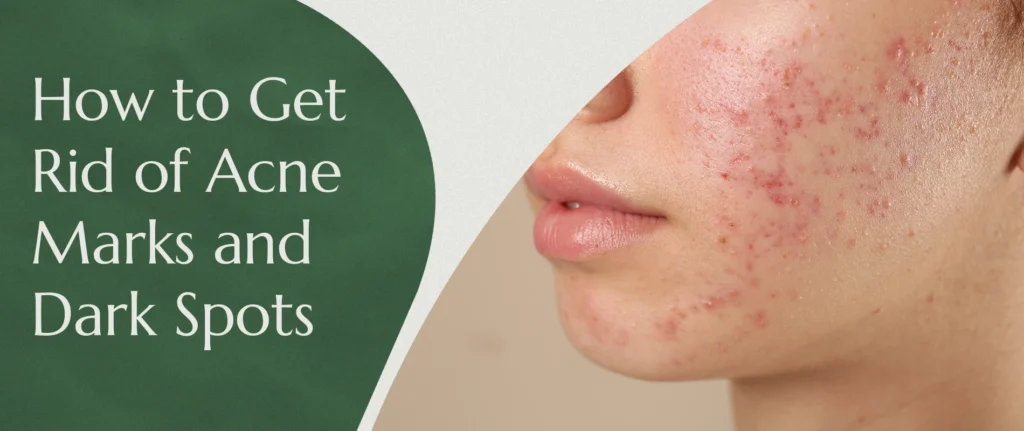
Acne marks are flat areas of discoloration that remain after an acne lesion settles. They may appear brown, grey-brown, dark, pink, red, or purple depending on skin tone and the biological process responsible for the color. When people describe dark spots from acne, marks from pimples, pimple pigmentation, or a pimple dark spot, they are often describing PIH rather than a permanent scar. These marks can fade because the skin surface itself has not necessarily been structurally damaged. Acne scars, by contrast, create depressions, pits, rolling contours, or raised tissue. Identifying whether the problem is pigment, redness, texture, or a combination of these is the first step toward choosing the right treatment.Post-inflammatory hyperpigmentation (PIH)
Post-inflammatory hyperpigmentation develops when inflammation stimulates melanocytes to produce more melanin. After the pimple resolves, this excess pigment remains at the site of the previous inflammation and creates a flat brown, dark brown, grey-brown, or sometimes almost black mark. PIH can occur in any complexion, but it is more frequent and often more persistent in melanin-rich skin. Pigment located mainly in the epidermis tends to respond better to topical treatment and natural skin turnover. When inflammation disrupts deeper layers and melanin enters the dermis, the mark can look grey, slate-brown, or blue-grey and may persist much longer. This difference in pigment depth explains why two apparently similar acne dark spots can respond very differently to the same skincare routine.Post-inflammatory erythema (PIE)
Post-inflammatory erythema is a flat red, pink, or reddish-purple mark that remains after acne inflammation has resolved. Unlike PIH, PIE is linked mainly to persistent vascular changes rather than excess melanin production. It is often easier to recognize in lighter complexions, although vascular redness can occur in any skin tone. Some patients have both erythema and hyperpigmentation in the same area, creating a red-brown or purple appearance. PIE can improve naturally over time, but persistent cases may respond differently from brown pigmentation because pigment-lightening ingredients do not directly target blood vessels. This is why red pimple marks should not automatically be treated like brown acne pigmentation.Why marks last longer in some people
Acne marks last longer when inflammation is intense, pigment extends deeper into the skin, new acne keeps developing, or the skin is repeatedly irritated. Darker skin tones generally produce a stronger visible pigment response after inflammation, which can make PIH more noticeable and persistent. Picking or squeezing a pimple adds further injury and may increase both pigmentation and true scarring. Ultraviolet exposure can darken existing PIH, while visible light may also contribute to persistent pigmentation in melanin-rich skin. Aggressive exfoliation can have the same counterproductive effect by creating more inflammation. The duration of an acne mark therefore reflects skin tone, inflammation severity, pigment depth, light exposure, skin irritation, and new acne activity rather than one factor alone.What Causes Post-Acne Marks and Dark Spots?
Post-acne marks form because the skin responds to inflammation while repairing an acne lesion. With PIH, inflammatory signals stimulate pigment production, leaving excess melanin behind after the original pimple disappears. With PIE, the healing process leaves persistent vascular changes that make the area look red or pink. The risk increases when acne is deep, inflamed, repeatedly squeezed, or allowed to remain uncontrolled. Continued breakouts can also create new marks faster than older pigmentation fades. Effective treatment therefore starts by interrupting the cycle of active acne → inflammation → color change → new acne → additional marks.How acne inflammation triggers pigment overproduction
When an inflammatory pimple develops, chemical signals released in the skin can activate melanocytes. These cells respond by producing and distributing additional melanin to nearby keratinocytes. Once the acne lesion heals, the inflammatory swelling may disappear while the pigment remains visible. If inflammation is limited to the epidermis, the discoloration usually looks brown and can gradually leave the skin as surface cells turn over. More significant inflammation can disrupt the basal layer and allow pigment to reach the dermis, where it is cleared much more slowly. This is why a deeply inflamed or picked blackened pimple may leave a more persistent mark than a small superficial whitehead.Why darker skin tones are more prone to PIH
Darker skin tones do not necessarily contain dramatically more melanocytes; instead, melanin production, distribution, and persistence differ. When inflammation activates melanocytes in melanin-rich skin, the resulting pigmentation can be stronger and more visible. This makes acne marks in Black skin, Middle Eastern skin, South Asian skin, and other darker complexions an especially important part of acne management. The increased PIH tendency does not mean aggressive treatment is required. In fact, excessive irritation from acids, peels, lasers, or other procedures can create additional pigmentation. Treating acne early while minimizing inflammation is often more valuable than trying to erase established dark marks later.Factors that make marks worse or longer-lasting
Picking, squeezing, scratching, strong scrubs, chemical irritation, recurrent acne, and unprotected sun exposure can all make post-acne pigmentation more persistent. Using several acids or brightening products simultaneously may also backfire if the combination produces dermatitis. Some hair or skincare products can continue triggering acne in the same location, leading to repeated pigmentation before older marks have resolved. In pigment-prone skin, even a technically effective ingredient can worsen uneven skin tone if the concentration or frequency creates too much irritation. The best strategy is therefore not simply to use the strongest treatment available, but to achieve enough activity to improve pigmentation while keeping inflammation low.Acne Marks vs Acne Scars: Understanding the Difference
Acne marks and acne scars should not be treated as synonyms. A post-acne mark is usually flat and represents a temporary or persistent color change, while an acne scar changes the physical structure of the skin. Depressed scars include ice-pick, boxcar, and rolling scars. Raised scars include hypertrophic scars and keloids. A patient may also have pigmentation or redness on top of a structural scar, which can make the distinction less obvious. Skincare can often improve flat pigmentation, but it cannot reliably reconstruct deeper collagen loss or release tethered scar tissue.How to tell marks from scars at home
Examine the area in natural or soft side lighting. If the skin feels smooth and the main difference is color, the problem is more likely to be PIH or PIE. If the surface dips inward, forms a narrow pit, has a broad depression, looks wave-like, or protrudes above surrounding skin, a structural scar is more likely. Rolling scars may appear less visible when the skin is stretched, while a pigment mark generally remains the same color. Some people have both, such as a depressed boxcar scar with brown pigmentation inside it. Home assessment can provide clues, but a dermatologist can identify mixed scar patterns more accurately when treatment is being considered.Why this distinction matters for treatment
Different abnormalities require different treatment targets. PIH treatment aims to control inflammation, reduce excess pigment production, improve epidermal turnover, and prevent new darkening. PIE treatment focuses more on the vascular component. Structural acne scars require collagen-directed or scar-specific approaches such as subcision, CROSS, microneedling, fillers, fractional resurfacing, punch techniques, or treatment for raised scars depending on morphology. A topical acne scars treatment product may improve discoloration surrounding a scar, but it cannot reliably eliminate a deep ice-pick or tethered rolling scar. Conversely, an aggressive resurfacing procedure may expose a patient with flat PIH to unnecessary risk.How Long Do Acne Marks Take to Fade?
Acne marks often fade naturally, but the timeline varies considerably. A superficial dark spot that is only moderately darker than the surrounding skin may fade over approximately six to twelve months. Deeper pigmentation can remain visible for years, particularly when inflammation was severe or new breakouts continue in the same area. PIE can also gradually improve, although there is no fixed timeline for every patient. Treatment can accelerate improvement, but no safe product can make every post-acne mark disappear in a few days. The fastest way to get rid of spots is therefore usually to prevent new ones while steadily treating existing discoloration.Typical timelines for epidermal versus dermal PIH
Epidermal PIH is located predominantly in the upper skin and usually appears brown or dark brown. Because epidermal cells naturally turn over, these marks generally have a better chance of fading over months, especially when acne and sun exposure are controlled. Dermal pigmentation lies deeper and often has a grey-brown, slate, or blue-grey appearance. Melanin that reaches the dermis can persist for much longer because it is not removed through ordinary epidermal turnover. Some marks contain both epidermal and dermal pigment, creating an intermediate response. Treatment expectations should therefore reflect pigment depth rather than promising one universal fading schedule.Why some marks persist for months to years without treatment
Deep melanin clears slowly, and repeated inflammation can continually add pigment to the same area. Sun and visible-light exposure can darken existing pigmentation, while picking or irritating skincare may prolong inflammation. People with highly pigment-responsive skin may also continue to see dark marks long after the active acne disappears. In some cases, what looks like one old spot is actually the result of several breakouts recurring in a similar location. Consistent acne control and photoprotection therefore matter as much as the brightening ingredient being used.How to Get Rid of Acne Marks and Dark Spots at Home
At-home treatment is most effective for flat post-acne pigmentation rather than depressed or raised scars. A useful routine controls active acne, cleanses gently, protects against light exposure, supports the skin barrier, and adds one or two targeted ingredients. Trying to erase acne marks with multiple strong acids or bleaching products at once can trigger irritation and create more PIH. Results should be judged over months rather than days. For people with ongoing breakouts, treating the acne and dark marks together usually makes more sense than waiting until every pimple has disappeared.Step 1 — Control active acne first
Active acne must be controlled because each inflammatory lesion can create another mark. Depending on severity, treatment may include a topical retinoid, benzoyl peroxide, azelaic acid, or prescription medication. People with darker skin tones benefit particularly from early acne treatment because ongoing inflammation increases the risk of PIH and, in some patients, raised scars. Treating pigmentation without controlling the source simply creates a cycle in which new marks replace fading ones. A dermatologist should assess deep, painful, scarring, or widespread acne sooner rather than relying indefinitely on spot treatments.Step 2 — Gentle cleansing
Use a mild cleanser that removes sunscreen, makeup, sweat, and excess surface oil without producing burning or persistent tightness. Scrubbing cannot physically remove melanin deposited inside the skin and may worsen pigmentation through irritation. Use fingertips rather than abrasive brushes or textured scrubs. Washing repeatedly because a dark mark “looks dirty” is particularly counterproductive because PIH is pigment, not surface debris. A gentle routine makes it easier to tolerate the ingredients that actually treat acne and pigmentation.Step 3 — Daily broad-spectrum sun protection
Daily sun protection is fundamental when fading dark spots from acne. Ultraviolet exposure can make existing pigmentation darker and slow visible improvement. Use a broad-spectrum sunscreen with SPF 30 or higher and reapply according to exposure. For people prone to hyperpigmentation, especially those with darker skin tones, a tinted sunscreen containing iron oxides can offer additional protection from visible light. This is particularly relevant in high-sun environments such as Riyadh. Sunscreen does not bleach PIH, but it prevents light exposure from continually working against the fading process.Step 4 — Hydrate and support the barrier
A healthy skin barrier helps pigmentation treatments work without provoking additional inflammation. Use a non-comedogenic moisturizer suited to the skin type, particularly when retinoids, benzoyl peroxide, acids, or prescription medication create dryness. Ingredients such as glycerin, ceramides, and hyaluronic acid can support hydration and comfort. Moisturizer does not directly remove melanin, but it can reduce irritation that would otherwise trigger additional PIH. This is especially important when treating sensitive or pigmentation-prone skin.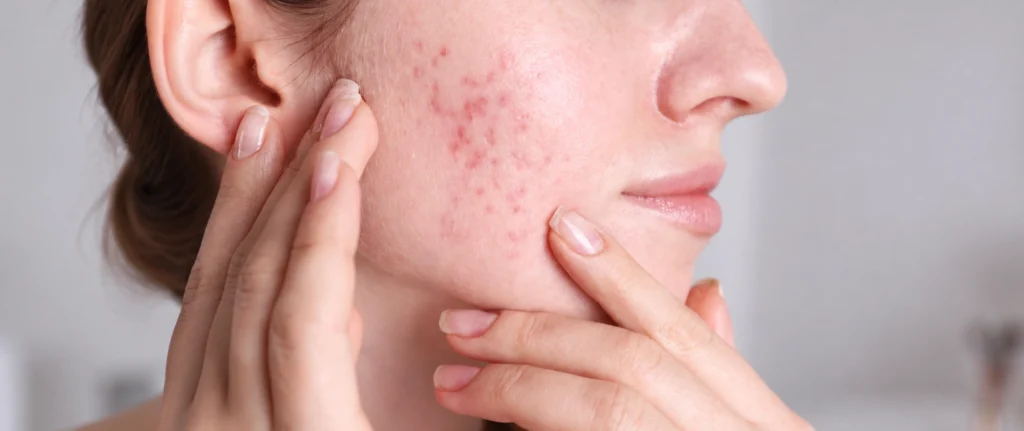
Step 5 — Use targeted brightening actives
Azelaic acid is a useful option because it can address both active acne and post-inflammatory pigmentation. Topical retinoids can prevent new acne while gradually improving uneven pigmentation through their effects on follicular and epidermal turnover. Niacinamide and well-formulated vitamin C products may support a broader brightening routine. Prescription hydroquinone or other dermatologist-directed depigmenting treatments may be considered for selected persistent cases. Adding several brightening ingredients simultaneously is rarely necessary; choosing a tolerable combination and using it consistently is usually more effective.Step 6 — Gentle chemical exfoliation
Chemical exfoliation may help superficial pigmentation in selected patients, but it is an optional tool rather than an essential step. Salicylic acid can be useful when PIH occurs with clogged pores and active acne, while alpha-hydroxy acids such as glycolic acid may help superficial discoloration through controlled epidermal exfoliation. Patients already using retinoids may not need another exfoliant. Overuse can cause dermatitis and make PIH darker, particularly in melanin-rich skin. Exfoliation should therefore be guided by tolerance and treatment goals rather than a belief that visible skin must be aggressively removed.Step 7 — Be patient and consistent
Post-acne pigmentation improves gradually. Taking photographs under similar lighting every four to six weeks can reveal progress that is difficult to notice in the mirror each day. Avoid abandoning an effective routine because a mark remains after two weeks. At the same time, persistent burning, peeling, or inflammation is not a sign that treatment is “working harder.” Consistent, tolerable skincare is usually more successful than cycles of aggressive treatment followed by barrier repair.Ingredients to Look For (and Avoid) for Acne Marks
Useful ingredients for acne marks either control the acne that creates new pigmentation or target pathways involved in excess pigment and epidermal turnover. Azelaic acid and retinoids are particularly valuable when acne and PIH coexist. Vitamin C, niacinamide, and certain exfoliating acids can support treatment, although formulation and tolerance affect results. Sunscreen is equally important because even a strong pigment treatment can underperform when the area is repeatedly exposed to ultraviolet or visible light. Irritating or unregulated skin-lightening products should be avoided because inflammation can worsen exactly the discoloration being treated.Helpful ingredients for fading dark spots
Azelaic acid can reduce inflammatory acne and help improve PIH, making it particularly useful for patients who are still developing pimples. Topical retinoids, including adapalene or prescription tretinoin when appropriate, help prevent clogged pores and can gradually improve post-acne pigmentation. Vitamin C acts as an antioxidant and can interfere with steps involved in melanin formation, although stable formulation and skin tolerance are important. Niacinamide is used in many pigmentation products and may help improve uneven tone while supporting barrier function. Hydroquinone can be effective for selected persistent PIH but is better used under dermatologist supervision rather than indefinitely as a general cosmetic brightener. Ingredients such as kojic acid, tranexamic acid, cysteamine, and other depigmenting agents may also be used in specific treatment plans, but no single ingredient is best for every skin type.Ingredients and habits that can worsen marks
Skin irritation is one of the biggest obstacles to PIH treatment. Repeated use of strong acids, abrasive scrubs, high-strength actives, picking, squeezing, and harsh cleansing can increase inflammation and deepen pigmentation. Lemon juice, concentrated essential oils, and other acidic home remedies can cause irritant or phototoxic reactions. Unregulated lightening products may contain inappropriate concentrations or undeclared ingredients and should be avoided. Patients with darker skin should be particularly cautious with aggressive exfoliation because a treatment intended to lighten pigmentation can trigger another inflammatory pigment response. More treatment is not always more effective.When to consider professional treatment for Stubborn Acne Marks
Professional treatment can be considered when flat pigmentation remains prominent despite good acne control, daily sunscreen, and several months of appropriate topical care. A dermatologist should first establish whether the problem is PIH, PIE, melasma, deeper dermal pigmentation, or color change overlying a structural scar. This diagnosis matters because the same procedure can improve one problem while worsening another. Skin tone, pigmentation history, previous reactions, active acne, and recovery tolerance should all influence treatment intensity. In darker or pigment-prone skin, conservative settings and experience with similar skin tones become particularly important.Chemical peels for post-inflammatory hyperpigmentation
Superficial chemical peels may improve epidermal PIH by creating controlled exfoliation and accelerating turnover of pigmented surface cells. Glycolic acid, salicylic acid, and other peeling agents may be selected according to acne activity, skin type, and previous tolerance. Peels should not be approached as a race toward the deepest possible treatment. Excess inflammation can worsen PIH, especially in darker skin. Appropriate pre-treatment, conservative peel strength, sun protection, and post-procedure care all influence safety and results. Chemical peels are generally an adjunct rather than a substitute for controlling active acne.Laser and light-based therapies
Laser and light-based treatment requires precise diagnosis because different devices target different chromophores. Pigment-targeting lasers aim at melanin, vascular devices may be more useful for persistent red PIE, and fractional resurfacing is more relevant when textural scars coexist. Pico lasers and other pigment devices may help selected cases, but no laser is universally the best choice for every acne dark spot. Intense pulsed light may be used for certain pigment or vascular concerns, but suitability depends strongly on skin tone and device settings. In melanin-rich skin, excessive energy can produce burns, hypopigmentation, or additional PIH. A dermatologist experienced with the patient’s skin type should therefore select the device and parameters.Microneedling and combination approaches
Microneedling is primarily a collagen-remodeling treatment for atrophic acne scars rather than a first-line treatment for a flat brown acne mark. It becomes more relevant when PIH coexists with rolling, boxcar, or other depressed scars and a treatment plan needs to address both color and texture. Combination therapy may deliberately separate these goals—for example, controlling acne and pigmentation with topical medication before performing microneedling for structural scars. Any procedure that creates inflammation can potentially trigger PIH, so needle depth, treatment intensity, skin type, and aftercare matter. A personalized staged plan is often safer than trying to correct pigment and deep scars aggressively in one session.What Not to Do When Trying to Fade Acne Marks
Do not pick, squeeze, scratch, or repeatedly peel a healing acne lesion. These actions prolong inflammation and increase the risk of both PIH and structural scarring. Avoid lemon juice, toothpaste, baking soda, undiluted essential oils, household bleaching products, or other DIY treatments marketed as a rapid cure for dark spots from acne. Do not use multiple exfoliating acids, retinoids, and brightening products at maximum frequency simply because pigmentation is slow to improve. Avoid unregulated skin-lightening creams or products with unclear ingredient lists. Most importantly, do not treat every pimple scar as the same problem: a flat brown mark, a red mark, an ice-pick scar, and a keloid require different strategies.Prevention: How to Stop New Marks From Forming
Preventing post-acne marks starts with reducing the inflammation that creates them. Treat acne early, avoid physical trauma, maintain a tolerable skincare routine, and protect healing skin from ultraviolet and visible light. This approach is particularly important in pigment-prone skin because a small inflammatory lesion can leave discoloration that lasts far longer than the original pimple. Preventing new PIH also makes existing marks appear to fade faster because fewer new spots are being added. The most useful relationship is less active acne → less inflammation → less melanocyte stimulation → fewer new dark marks.Treat active acne early and consistently
Early acne control is one of the most effective ways to prevent post-acne pigmentation. Retinoids, benzoyl peroxide, azelaic acid, and prescription treatments can reduce the number and severity of inflammatory lesions when used appropriately. People with skin of color should not wait until mild acne becomes deeply inflammatory before seeking treatment because both PIH and some scar types can become more difficult to manage later. Patients with nodules, cyst-like lesions, widespread acne, or early scarring should consider dermatologist care sooner. Preventing a pimple often prevents the after-pimple dark spot that would have followed it.Use gentle, barrier-friendly skincare
Skin that is repeatedly irritated is more likely to develop additional inflammation and pigmentation. Use a mild cleanser, appropriate moisturizer, non-comedogenic products, and sunscreen. Introduce retinoids, acids, and pigment treatments gradually rather than adding several new actives simultaneously. If a product produces ongoing burning or substantial redness, reconsider the concentration or frequency rather than assuming irritation is necessary for results. Gentle skincare is not weaker treatment; it allows evidence-based actives to remain in the routine long enough to work.Avoid harsh home remedies (lemon juice, toothpaste, undiluted essential oils)
Lemon juice, toothpaste, and undiluted essential oils are not reliable acne dark spot treatments. They can irritate the skin, cause contact reactions, or produce additional inflammation that leads to darker PIH. Citrus exposure combined with sunlight can also cause phototoxic skin reactions in some circumstances. Aloe vera may feel soothing for some people, but it is not a substitute for proven treatment of established pigmentation. Safe at-home management relies on acne control, sunscreen, barrier support, and appropriately formulated pigment treatments rather than kitchen ingredients.When to See a Dermatologist for Acne Marks and Dark Spots
See a dermatologist when dark spots remain prominent after several months of consistent treatment, when new acne continues to create pigmentation, or when the discoloration appears unusually dark, grey, blue-grey, or difficult to classify. Professional evaluation is also useful when apparent pimple scars are actually depressed or raised structural scars, because topical skincare alone will not correct deeper collagen changes. Seek earlier care for painful nodules, widespread acne, keloid-prone skin, or rapidly developing scars. A dermatologist can distinguish PIH from PIE, melasma, true acne scars, medication-related pigmentation, and other pigment disorders before selecting treatment. For people seeking pigmentation or acne scar treatment in Riyadh, local sun exposure and pigmentation tendency are relevant to treatment planning, but the individual skin type and scar morphology matter more than geography alone.Frequently Asked Questions About Acne Marks and Dark Spots
Yes. Many flat PIH and PIE marks gradually improve once the original acne has resolved. Superficial pigmentation may fade within months, while deeper pigment can remain for years.
There is no universal best product. Azelaic acid and topical retinoids are particularly useful when pigmentation occurs alongside active acne, while additional brightening treatments can be selected according to skin type, sensitivity, and pigment depth.
Yes. Sun protection helps prevent ultraviolet exposure from darkening PIH and slowing improvement. Tinted broad-spectrum sunscreen containing iron oxides can provide additional visible-light protection for people prone to pigmentation.
Yes. Sensitive skin may need a simpler routine with gentle cleansing, moisturizer, sunscreen, and gradually introduced treatments such as azelaic acid or another well-tolerated active. Avoid triggering new inflammation in an attempt to speed up fading.
No. Lemon juice can irritate the skin and may worsen pigmentation, so it should not be used as a dark-spot treatment. Aloe vera may soothe some skin but has insufficient evidence to replace established acne and PIH therapies.
Many superficial marks can fade substantially and may eventually become difficult to see. Deeper PIH can persist much longer, and no treatment can guarantee complete removal of every mark.
OTC skincare can help flat discoloration and active acne, but it cannot reliably remove structural ice-pick, rolling, boxcar, hypertrophic, or keloid scars. These scar types often require dermatologist-guided procedures or prescription treatment.
Vitamin C has antioxidant activity and can interfere with melanin-producing pathways, so well-formulated topical vitamin C may help improve uneven pigmentation. Its effect depends on formulation, stability, concentration, skin tolerance, and consistent sun protection.
Conclusion
Getting rid of acne marks starts with identifying what the mark actually represents. Flat brown, dark brown, or grey-brown spots are usually post-inflammatory hyperpigmentation, while flat red or pink marks are more consistent with post-inflammatory erythema. Neither should automatically be called an acne scar. True acne scars involve structural collagen changes such as ice-pick, boxcar, rolling, hypertrophic, or keloid scars and usually need a different treatment strategy.
For post-acne pigmentation, the most reliable approach is to control active acne early, use gentle skincare, protect the skin every day with broad-spectrum sunscreen, and add targeted ingredients such as azelaic acid or a topical retinoid when appropriate. Vitamin C, niacinamide, chemical exfoliants, and dermatologist-directed pigment treatments may provide additional benefit in selected routines. Persistent pigmentation may sometimes benefit from chemical peels or carefully selected laser and light treatments, while microneedling is generally more relevant when structural acne scars are also present. The goal is gradual, sustained improvement without generating enough irritation to create another cycle of inflammation and pigmentation.