
What Is Hormonal Acne and Why Does It Happen?
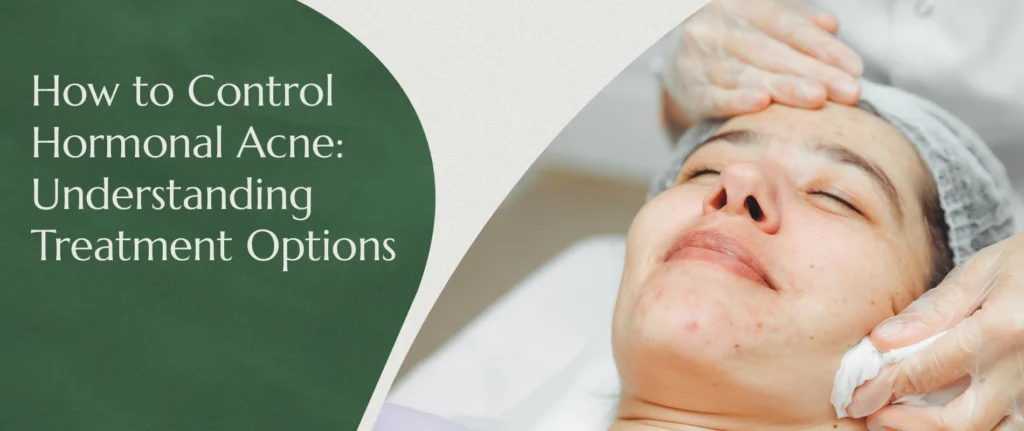
Hormonal acne is acne vulgaris in which androgen activity, hormonal fluctuations, or increased sensitivity of sebaceous glands to hormones contributes strongly to breakouts. Androgens such as testosterone and DHT stimulate sebaceous glands, which can increase sebum production and make follicular blockage more likely. Sebum combines with retained skin cells inside a hair follicle, while Cutibacterium acnes and the immune response contribute to inflammation. This process can produce blackheads, whiteheads, papules, pustules, nodules, or deeper painful lesions. Hormones cause acne most noticeably during puberty, menstrual cycles, pregnancy-related changes, perimenopause, androgen exposure, or conditions such as PCOS, but many people with hormonal acne have normal hormone blood tests. The skin itself can be unusually sensitive to normal androgen levels, which is why acne hormonal patterns do not always equal a measurable hormonal imbalance.Recognizing Hormonal Acne Patterns
Hormonal acne is recognized by the overall pattern of breakouts rather than one location or one type of lesion. Lower-face acne, menstrual-related flares, persistent adult acne, and deep inflammatory lesions can suggest hormonal influence, but none of these features is diagnostic by itself. Some women experience acne throughout the month with worsening before menstruation, while others notice flares after changes in contraception or during perimenopause. Hormonal acne may also affect the forehead, temples, chest, shoulders, or back. The most useful clues are the combination of acne location, timing, severity, recurrence, and associated hormonal symptoms. Tracking these patterns over several months can help a dermatologist distinguish hormonal acne from other causes of recurring breakouts.Location patterns that signal hormonal causes
Hormonal acne on the chin, jawline, lower cheeks, and upper neck is especially common in adult women. These areas may develop recurrent papules, pustules, nodules, hormonal cystic pimples, or stubborn comedones in similar locations each month. However, hormonal pimple areas are not limited to the lower face, and hormonal pimples on the forehead or body acne in adults can also occur. Location becomes more meaningful when it matches a cyclical pattern or accompanies other signs of androgen activity. Jawline acne alone cannot diagnose PCOS or hormonal imbalance. A dermatologist also considers skincare products, hair products, friction, medications, folliculitis, rosacea, and perioral dermatitis before labeling the pattern hormonal.Timing that tells the story
Predictable timing often provides a stronger clue than acne location. Many women notice hormonal breakouts several days before menstruation, while others flare during or shortly after their period because a lesion begins forming before it becomes visible. Acne can also change after starting, stopping, or switching hormonal contraception, during pregnancy, postpartum, or around perimenopause. Stress and inadequate sleep may coincide with worse acne in some patients, but they should be considered possible aggravating factors rather than direct universal hormonal acne causes. Keeping a simple acne diary that records menstrual timing, new medicines, contraception changes, stress, and breakout severity can help identify useful patterns. The goal is not to find a trigger for every pimple but to see whether a consistent hormonal relationship exists.The deep, cystic difference
Hormonal acne is often associated with deep, tender inflammatory lesions, but hormonal acne does not always mean cystic acne. Some people develop painful nodules or cyst-like lesions below the skin, while others mainly have papules, pustules, whiteheads, or blackheads. Deeper lesions usually take longer to resolve and carry a greater risk of post-inflammatory hyperpigmentation and permanent scars. They may also respond poorly to pimple patches or isolated spot treatments because the inflammatory process extends deeper than the skin surface. Repeated squeezing or picking increases inflammation and does not remove the underlying lesion. Persistent deep acne usually warrants earlier prescription treatment rather than repeatedly escalating over-the-counter products.When to Suspect an Underlying Hormonal Issue
An underlying hormonal condition becomes more likely when acne appears with irregular periods, excess facial or body hair, female-pattern scalp hair thinning, fertility problems, or other signs of androgen excess. PCOS is the most common endocrine condition considered in women with this pattern, but acne alone does not diagnose PCOS. Most adult women with acne do not have a serious hormonal disorder, and many have normal androgen levels. Sudden severe acne accompanied by rapid hirsutism, voice deepening, marked hair loss, or other signs of virilization requires more urgent assessment because less common endocrine causes need exclusion. Testosterone therapy and anabolic steroids can also produce severe acne on the face, chest, shoulders, and back. Clinical context matters more than assuming every persistent jawline breakout represents hormonal problems acne.How Hormonal Acne Is Assessed
Hormonal acne is usually assessed through clinical history and skin examination rather than one definitive test. A dermatologist reviews acne severity, lesion type, distribution, timing, menstrual patterns, contraception, pregnancy plans, medications, skincare, previous treatment response, dark marks, and scarring. The clinician also looks for signs of PCOS or another endocrine condition and checks whether the eruption could be an acne mimic. Malassezia folliculitis, sometimes called fungal acne, can produce small, relatively uniform itchy bumps and requires a different treatment approach from acne vulgaris. Rosacea and perioral dermatitis can also resemble acne in certain areas of the face. Accurate diagnosis is important because even the best hormonal acne treatment will not work properly if the condition is not actually acne.Initial dermatology assessment
The initial assessment establishes whether the patient has comedonal, inflammatory, nodular, mixed, or scarring acne and whether hormonal influence appears clinically important. The dermatologist examines blackheads, whiteheads, papules, pustules, nodules, pigmentation, and scars and reviews where the breakouts occur. Questions may cover menstrual timing, cycle regularity, contraception, pregnancy, excess facial hair, scalp hair thinning, weight or metabolic changes, and medicines such as testosterone or steroids. Previous treatments are also important because repeated antibiotic use, retinoid intolerance, or recurrence after earlier therapy can change the treatment plan. A useful assessment connects acne severity with hormonal clues instead of assuming every adult woman with acne needs hormonal therapy.Do you need hormone blood tests?
Most people with otherwise typical hormonal acne do not automatically need hormone blood tests. Testing becomes more useful when acne begins suddenly, becomes unusually severe, resists appropriate treatment, or occurs alongside irregular periods, hirsutism, female-pattern hair loss, fertility problems, or other endocrine symptoms. Depending on the clinical concern, a physician may consider testosterone or other androgen-related measurements and additional endocrine tests. Normal results do not rule out hormonal acne because sebaceous glands can be sensitive to normal androgen levels. Broad hormone panels without a specific clinical question can create confusing results without changing treatment. Testing should therefore be targeted to the suspected underlying condition.Core Principles of Controlling Hormonal Acne
Controlling hormonal acne works best when treatment addresses more than one acne mechanism and is used consistently for long enough to work. Dermatologists may target follicular plugging, inflammation, acne-associated bacteria, excess sebum, and androgen signaling depending on the individual pattern. Treatment intensity should match acne severity, scar risk, pregnancy potential, previous response, and skin tolerance. Early treatment helps prevent both post-inflammatory dark marks and permanent structural scars. Patients should also expect treatment to evolve as the acne improves, rather than using the same intensity indefinitely. Long-term control usually depends on maintenance rather than stopping everything immediately after the skin clears.Treat early to prevent scars and dark marks
Early acne treatment reduces the chance that repeated inflammation will leave persistent pigmentation or structural scarring. Deep nodules and hormonal cystic pimples deserve particular attention because they are more likely to damage deeper dermal tissue. Brown or grey-brown post-inflammatory marks are color changes rather than true scars, but they may remain visible for months after active acne resolves. Picking increases both pigment and scar risk and can prolong inflammation. Effective acne control therefore aims to prevent the next deep inflammatory lesion rather than simply shorten the current one.Combination therapy is standard, not optional
Combination therapy is common because acne involves several biological processes, but not every patient literally needs multiple active treatments from the first day. A mild case may begin with one well-selected treatment, while persistent or inflammatory disease often needs agents with complementary mechanisms. A topical retinoid may prevent follicular plugging while benzoyl peroxide targets acne-associated bacteria and inflammation, and hormonal treatment may reduce androgen influence in selected women. Antibiotics should generally be combined with benzoyl peroxide rather than used alone to reduce antibiotic-resistance concerns. The principle is to combine mechanisms when clinically useful, not to layer every available acne ingredient.Patience and consistency: 8–12 weeks to judge response
A practical assessment period for many acne treatments is around eight to twelve weeks, although early improvement may become visible after six to eight weeks. Hormonal treatments may take longer because reducing androgen-driven sebum activity does not immediately remove lesions that are already developing. Spironolactone and combined oral contraceptives may need several months for their full benefit to become clear. Patients should judge progress by whether fewer new lesions are appearing, whether flares are becoming milder, and whether deep lesions are occurring less often. Constantly changing the routine before this assessment window makes it difficult to know whether a treatment is actually working.Maintenance therapy to prevent recurrence
Hormonal acne can recur if treatment is stopped while the underlying tendency toward clogged follicles or androgen stimulation remains active. Topical retinoids are commonly used for maintenance because they continue preventing comedone formation even when visible breakouts are controlled. Some women also continue hormonal treatment when it remains effective, medically appropriate, and consistent with reproductive plans. Maintenance does not mean every patient requires lifelong therapy. A dermatologist can periodically simplify treatment while watching for recurrence.Topical Treatments That Work for Hormonal Acne
Topical treatment remains important even when hormones contribute strongly to acne. Retinoids address follicular plugging, benzoyl peroxide reduces acne-associated bacteria and inflammation, azelaic acid can treat acne and post-inflammatory pigmentation, and clascoterone blocks androgen receptors locally in the skin. Salicylic acid may also help selected patients with clogged pores, although it is not essential in every routine. Topical antibiotics may reduce inflammatory lesions but should generally be paired with benzoyl peroxide rather than used alone. The best skincare for hormonal acne usually uses a few complementary ingredients rather than many irritating actives at once. Current AAD guidance recommends several of these topical options and supports combining different mechanisms when appropriate.Topical retinoids as the foundation
Topical retinoids such as adapalene, tretinoin, tazarotene, or trifarotene help normalize follicular turnover and reduce the formation of new clogged pores. This makes them useful both for active acne and long-term maintenance. Retinoids can also gradually improve some post-inflammatory pigmentation as epidermal turnover normalizes. Dryness, peeling, and irritation are common during early use, so gradual introduction and moisturizer can improve tolerance. More product does not produce faster clearing and usually increases irritation. Retinoids should not be used during pregnancy.Benzoyl peroxide for antibacterial and anti-inflammatory control
Benzoyl peroxide helps reduce Cutibacterium acnes and inflammatory lesions without causing bacterial resistance in the same way as antibiotics. Dermatologists frequently combine it with a topical retinoid or antibiotic because these mechanisms complement one another. Lower concentrations can often provide useful acne control with less irritation than stronger products. Benzoyl peroxide does not correct hormonal imbalance directly, but it treats an important part of hormonal breakout treatment. It can also bleach towels, clothing, and pillowcases, so practical use instructions improve adherence.Azelaic acid for acne and pigmentation
Azelaic acid is useful when hormonal acne occurs together with post-inflammatory hyperpigmentation. It has anti-inflammatory and comedolytic properties and can help reduce active lesions while gradually improving dark post-acne marks. Azelaic acid for hormonal acne works on follicular and inflammatory processes rather than changing systemic hormones. It can be particularly useful for pigment-prone skin when irritation is kept under control. Mild stinging or dryness may occur when treatment begins. Azelaic acid is also commonly considered during pregnancy after clinician review.Topical clascoterone: a topical anti-androgen option
Clascoterone is a topical androgen-receptor inhibitor that directly targets androgen signaling within the skin. It provides a non-systemic way to address one of the pathways involved in acne and can be used in eligible males and females with acne. Unlike spironolactone, its primary action occurs locally rather than through systemic anti-androgen effects. It may be combined with other topical therapies when appropriate because it does not replace treatment for follicular plugging or inflammation. Availability differs between countries, so local prescribing access can influence whether it is practical. Current AAD acne guidelines include clascoterone among recommended topical treatment options.Topical antibiotics
Topical antibiotics can reduce inflammatory acne but should generally not be used as prolonged monotherapy. Combining them with benzoyl peroxide reduces resistance concerns and may improve inflammatory control. They may also be combined with a retinoid when several acne mechanisms need treatment. Topical antibiotics do not address androgen activity, so recurrence is possible if the hormonal driver remains active. Their role should therefore be reassessed as acne improves.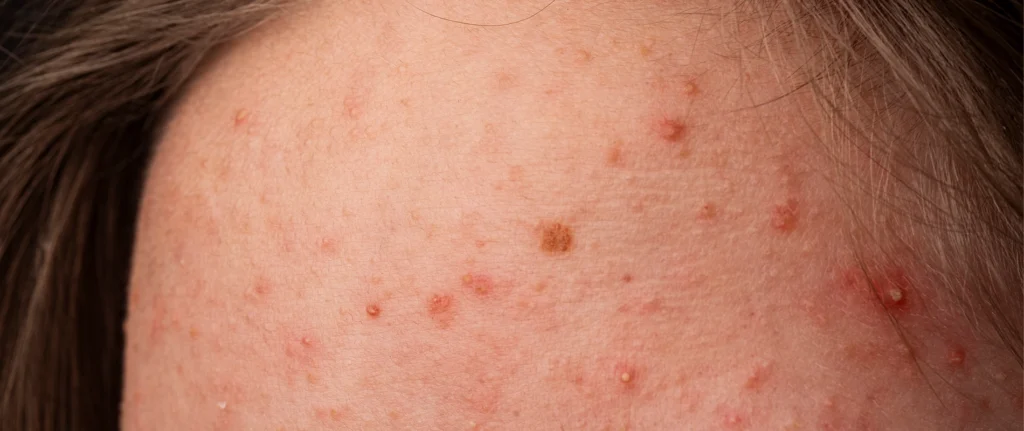
Systemic (Oral) Treatment Options
Oral medication becomes more relevant when acne is moderate to severe, widespread, painful, scarring, or inadequately controlled by topical treatment. Oral antibiotics can temporarily reduce inflammatory disease, hormonal therapy can reduce androgen influence in selected women, and isotretinoin can treat severe or treatment-resistant acne through several mechanisms. Systemic treatment often works alongside topical therapy rather than replacing it completely. Medical history, pregnancy potential, other medications, and acne severity all influence which option is appropriate. The goal is not to escalate to the strongest drug automatically but to match treatment intensity to the disease.Oral antibiotics for moderate inflammatory acne
Oral antibiotics such as doxycycline may help moderate-to-severe inflammatory acne when papules, pustules, or nodules are too extensive for topical treatment alone. Current acne guidance recommends limiting systemic antibiotic use and combining antibiotics with benzoyl peroxide and other topical therapy. Antibiotics control inflammation but do not directly correct androgen activity, which means hormonally driven acne may recur when they stop if the underlying pattern remains untreated. They should therefore usually serve as part of a broader treatment strategy rather than an indefinite solution.Hormonal therapy for women
Hormonal therapy can be particularly effective for adult women with persistent lower-face acne, cyclical menstrual flares, or acne that repeatedly returns after standard treatment. Combined oral contraceptives and spironolactone are established options in appropriately selected patients. Oral contraceptives reduce ovarian androgen influence and alter circulating androgen availability, while spironolactone blocks androgen effects at sebaceous glands. Hormonal treatment is commonly used alongside topical therapy because each treatment acts on a different part of acne formation. Medical screening is necessary because oral contraceptives and spironolactone have contraindications, side effects, and pregnancy considerations. AAD guidance supports both combined oral contraceptives and spironolactone as systemic acne options when clinically appropriate.Isotretinoin for severe, scarring, or treatment-resistant acne
Isotretinoin is an important treatment for severe nodular acne, acne causing scars, or disease that has not responded adequately to appropriate conventional therapy. It reduces sebaceous gland activity, follicular plugging, and inflammation and can produce substantial long-term improvement. Isotretinoin requires medical monitoring because of its side effects and major pregnancy risk. It must not be used during pregnancy, and strict pregnancy-prevention requirements apply to patients who can become pregnant. Isotretinoin is therefore a powerful treatment option but not simply the next step for every case of adult hormonal acne.Building a Dermatologist-Recommended Skincare Routine for Hormonal Acne
A hormonal acne skincare routine should be simple enough to use consistently and gentle enough to preserve the skin barrier. The basic structure is usually cleansing, evidence-based acne treatment, moisturizer, and daily sunscreen. Oily skin still benefits from moisturizer because dryness from retinoids or benzoyl peroxide can increase irritation and make patients abandon otherwise effective treatment. Non-comedogenic products help reduce unnecessary follicular occlusion without implying that skincare products are the sole cause of acne. A morning and nighttime routine can also separate active ingredients that would otherwise become too irritating when applied together. The best skin care for hormonal acne is therefore the routine the patient can tolerate and follow consistently.Morning routine
A practical morning routine begins with a mild cleanser or simple rinse depending on skin type and the treatment plan. Benzoyl peroxide, azelaic acid, clascoterone, or a prescribed topical antibiotic may then be used according to dermatologist instructions. Follow with a non-comedogenic moisturizer if needed and broad-spectrum sunscreen. Patients with post-inflammatory hyperpigmentation should be especially consistent with sun protection because ultraviolet and visible light can prolong dark marks. Strong exfoliating acids are usually unnecessary in a morning routine already containing several acne actives.Night routine
A gentle cleanse at night removes sunscreen, makeup, sweat, and surface oil before treatment is applied. A topical retinoid often forms the main nighttime acne medication because it prevents follicular plugging and supports long-term control. Moisturizer can be applied before or after the retinoid depending on skin sensitivity and clinician instructions. Some patients use azelaic acid, clascoterone, or another prescribed treatment at a separate time to reduce irritation. Large amounts of retinoid do not work faster and usually increase dryness. Consistency matters more than intensity.Exfoliation: when and how to use acids
Chemical exfoliation can be useful for selected patients with clogged pores, but more exfoliation does not equal better acne control. Salicylic acid may help comedonal acne, while glycolic or other alpha-hydroxy acids may improve surface texture, but combining multiple acids with a retinoid and benzoyl peroxide can damage the barrier. Many patients using a retinoid do not need a separate exfoliation step at all. If an acid is added, frequency should reflect skin tolerance rather than a fixed daily schedule. Harsh physical scrubs should generally be avoided on inflamed acne.Common mistakes that worsen hormonal acne
Common mistakes include switching products every few days, squeezing deep pimples, scrubbing oily skin aggressively, using too many acids, skipping moisturizer, and stopping treatment as soon as acne improves. Acne is not caused by poor hygiene, so excessive washing does not correct androgen-driven sebum production. Another mistake is assuming that temporary irritation means the skin is “purging toxins” or “cleansing itself”; worsening acne or irritation should instead be evaluated according to the treatment being used. Long-term topical antibiotic use without benzoyl peroxide also creates unnecessary resistance concerns. A stable, tolerable routine usually produces better results than an aggressive routine that cannot be maintained.Lifestyle, Diet, and Hormonal Acne Control
Lifestyle can support hormonal acne control, but diet, sleep, or stress reduction should not be presented as a cure for hormonal imbalance acne. Some studies suggest that lower-glycemic eating patterns may improve acne in certain patients, while evidence around dairy remains inconsistent and does not justify universal elimination. Stress may worsen inflammation or coincide with hormonal breakouts in susceptible individuals, but stress reduction should complement medical treatment rather than replace it. Adequate sleep, regular physical activity, and balanced meals support overall health and may help people who identify repeatable personal triggers. People with PCOS or insulin resistance may receive more specific lifestyle advice because metabolic health can interact with androgen activity. Current AAD guidance considers the evidence insufficient to make dietary change a primary acne-treatment recommendation.Hormonal Acne in Your 20s, 30s, 40s and Around Menopause
Hormonal acne can change significantly across adult life because menstrual cycles, contraception, pregnancy, postpartum changes, and perimenopause alter the hormonal environment. Some women in their 20s continue to have acne that began during adolescence, while others develop adult acne for the first time. In the 30s, pregnancy plans, contraception, postpartum changes, PCOS, or stress may alter the pattern. During the 40s and perimenopause, changing estrogen-androgen balance can make acne recur or shift location and severity. Skin dryness and treatment tolerance may also change with age, so a regimen that worked years earlier may no longer be appropriate. Treatment should follow the current acne pattern rather than assuming all adult acne women need the same hormonal therapy.Why patterns change with age and life stage
Hormonal signaling and skin physiology evolve through adulthood. Menstrual cycles, pregnancy, breastfeeding, fertility treatment, contraception, perimenopause, and menopause can each influence sebaceous gland activity and inflammatory acne. At the same time, the skin barrier, oil production, pigmentation tendency, and tolerance of topical treatment can change. This explains why a patient may need different hormonal breakout treatment in her 30s than she used in her 20s. The dermatologist should also reconsider pregnancy potential and medical contraindications whenever systemic treatment changes.Birth control pills and the Mirena coil
Combined oral contraceptives can improve acne in appropriate women because they reduce androgen influence on sebaceous glands. Different contraceptives do not affect acne identically, and some progestin-only methods may coincide with worsening acne in susceptible patients. The Mirena coil releases levonorgestrel, and some users report new or increased acne after insertion, while many experience no significant skin change. Acne can also flare after stopping a combined oral contraceptive if an underlying tendency was being suppressed. Patients should not remove an IUD or stop birth control solely because acne appears without first discussing the broader contraceptive and medical implications with the prescribing clinician.What to Expect From Treatment and How Soon
Hormonal acne treatment usually produces gradual improvement rather than an immediate clear-skin response. Many topical treatments need around six to eight weeks before meaningful early improvement becomes visible, and clinicians often use roughly eight to twelve weeks for a fuller assessment. Hormonal therapy may take two to three months or longer before recurring lower-face or menstrual-related flares decrease substantially. The earliest sign of success may be fewer new pimples, shorter flares, or less severe deep acne rather than complete clearing. Post-inflammatory hyperpigmentation and scars usually improve on a slower timeline than active breakouts. Tracking the number and severity of new lesions over time can therefore provide a more accurate measure of treatment response than examining the skin on one particularly good or bad day.When to See a Dermatologist for Hormonal Acne
See a dermatologist when acne is persistent, painful, recurrent, causing pigmentation or scars, or not responding to a consistent evidence-based routine. Professional assessment is particularly useful when acne develops for the first time in adulthood, repeatedly follows the menstrual cycle, returns after previous treatment, or requires consideration of spironolactone, oral contraceptives, or isotretinoin. Irregular periods, excess facial or body hair, female-pattern hair thinning, or other signs of androgen excess also warrant a broader assessment. Patients who are pregnant, breastfeeding, or planning pregnancy need treatment review because several standard acne medications become inappropriate. Emotional distress is also a valid reason to seek medical treatment even when acne is classified as mild. For people looking for hormonal acne treatment in Riyadh, this is the point where local dermatologist expertise becomes relevant without needing repeated geographic references throughout the educational article.Signs it’s time for professional help
Professional help is appropriate when over-the-counter treatment has been used consistently for several weeks without meaningful improvement or when deep inflammatory lesions appear earlier in the course. Repeated nodules, hormonal cystic pimples, scarring, widespread body acne, or persistent dark marks justify earlier care. Sudden severe acne associated with rapid hair growth, menstrual disturbance, voice changes, or marked scalp hair loss warrants prompt medical assessment. A dermatologist can also confirm whether apparent hormonal acne is actually acne vulgaris, Malassezia folliculitis, rosacea, perioral dermatitis, or another condition. Early diagnosis can shorten ineffective treatment and reduce the risk of permanent acne scars.Frequently Asked Questions About Controlling Hormonal Acne
Yes. Sebaceous glands can be highly sensitive to normal androgen levels, so hormonally influenced acne does not require an abnormal blood test. Laboratory results should always be interpreted together with symptoms and clinical findings.
Often, yes. Hormonal therapy reduces androgen influence, while topical retinoids, benzoyl peroxide, azelaic acid, clascoterone, or other treatments address follicular plugging and inflammation.
Not automatically. Hormonal contraceptives affect acne differently, and stopping or removing contraception can have important reproductive and medical consequences, so changes should be discussed with the prescribing clinician.
Spironolactone has a long history of use for acne in appropriately selected women and may be continued when it remains effective and medically appropriate. Monitoring depends on age, kidney health, interacting medicines, blood pressure, and pregnancy potential.
It can improve when the hormonal environment changes, but persistent adult hormonal acne may continue for years. Treatment is particularly worthwhile when breakouts are painful, leaving pigmentation, or beginning to scar.
Tell your dermatologist before continuing acne medication. Isotretinoin, spironolactone, tazarotene, and other retinoids should not be used during pregnancy, while options such as azelaic acid and limited benzoyl peroxide may sometimes be considered with clinician guidance.
Conclusion
Controlling hormonal acne requires treating acne biology rather than trying to “balance hormones” through skincare alone. Androgen activity can increase sebum production and contribute to follicular plugging and inflammation, but hormonal acne can still occur when hormone blood tests are normal because skin sensitivity to androgens also matters. Effective adult hormonal acne treatment may combine topical retinoids, benzoyl peroxide, azelaic acid, clascoterone, oral antibiotics when appropriate, combined oral contraceptives, spironolactone, or isotretinoin depending on acne severity and medical circumstances. A gentle hormonal acne skincare routine supports treatment by protecting the skin barrier instead of adding unnecessary irritation. Diet, stress management, and sleep can support overall care but should not replace evidence-based treatment. The strongest plan connects acne severity, hormonal pattern, lesion type, pregnancy potential, contraception, skin tolerance, scar risk, and treatment response instead of searching for one universal best treatment for hormonal acne.