
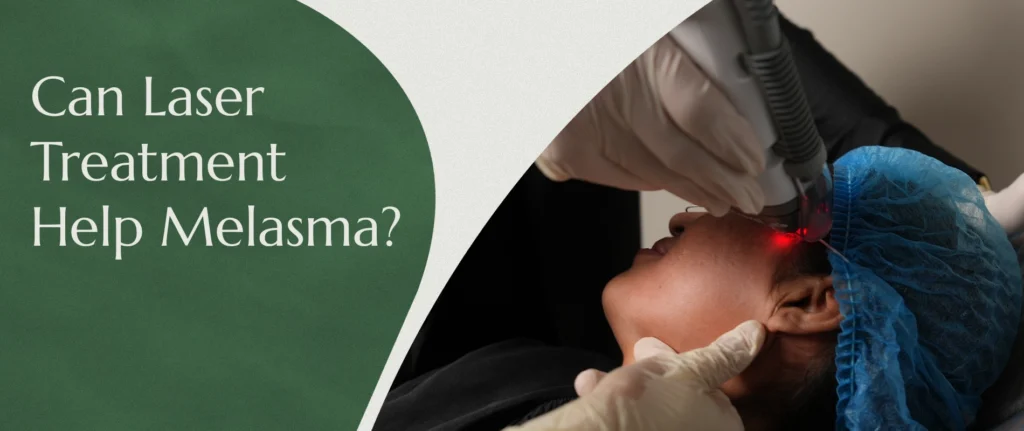
Laser treatment can help improve melasma in selected patients, but it is not a guaranteed cure and is not automatically the best first treatment. Melasma is a chronic, trigger-sensitive pigmentation disorder, so clearing visible melanin does not remove the hormonal, genetic, inflammatory, or light-related factors that can make it return. Dermatologists often begin with strict photoprotection and topical treatment before considering laser therapy for persistent or resistant pigmentation. When a laser is appropriate, the device, wavelength, pulse duration, energy, density, and treatment interval all need to match the patient’s skin and melasma pattern. Picosecond lasers, low-fluence Q-switched Nd, fractional non-ablative lasers, and selected fractional ablative systems have all been studied for melasma. IPL is another light-based option in carefully selected cases, although IPL is not technically a laser and can aggravate melasma when used inappropriately. The safest strategy is therefore to use laser as part of a broader melasma treatment plan rather than viewing it as a one-session method of permanent melasma removal.
FAQ
What Is Melasma and What Causes It?
Melasma is an acquired hyperpigmentation disorder that usually causes flat brown or grey-brown patches across sun-exposed facial skin. It most commonly affects the cheeks, forehead, nose, temples, chin, and area above the upper lip. The pigmentation develops when melanocytes become more active and produce or distribute excess melanin within affected skin. Sunlight and visible light are major environmental triggers, while pregnancy, hormonal medications, genetic predisposition, and skin phototype can increase susceptibility. Research also shows that melasma involves more than pigment alone, with inflammation, photoaging, blood vessels, fibroblasts, and changes in the skin barrier contributing to its biology. These overlapping factors explain why a treatment that only fragments melanin may improve appearance without eliminating the tendency for melasma to recur. Long-term treatment therefore focuses on controlling pigment production and triggers as well as reducing the dark patches already present.What Does Melasma Look Like?
Melasma usually appears as irregular brown, dark-brown, or grey-brown patches that are relatively symmetrical across the face. The cheeks, forehead, bridge of the nose, upper-lip area, and jawline are common locations. It is normally flat and does not cause the scaling, crusting, bleeding, or raised texture associated with some other skin conditions. New, changing, irregular, bleeding, or otherwise unusual pigmented lesions should be medically assessed before any laser treatment is performed.Common Causes and Triggers of Melasma
Ultraviolet radiation and visible sunlight can increase melanocyte activity and make existing melasma darker. Hormonal changes during pregnancy or from some contraceptive and hormone treatments can also contribute in susceptible patients. Genetics, medication, inflammation, skin irritation, and individual skin phototype can further influence how melasma develops and behaves. These triggers remain relevant after laser therapy, which is why treatment results can fade if long-term trigger control is neglected.How Does Laser Treatment Work for Melasma?
Laser therapy uses controlled light energy to interact with pigment or create microscopic zones of remodeling within melasma-affected skin. Pigment-targeting lasers use wavelengths that are absorbed by melanin, allowing concentrated pigment to be disrupted into smaller particles that the skin gradually clears. Picosecond lasers deliver extremely short pulses that emphasize a photoacoustic effect, while Q-switched lasers use nanosecond pulses to target pigment with controlled energy. Fractional lasers work differently by creating microscopic treatment zones that encourage controlled renewal while leaving surrounding tissue intact. The treatment effect depends on wavelength, energy, pulse duration, spot size, density, number of passes, pigment depth, and skin phototype. Excessive heat or inflammation can stimulate melanocytes and cause post-inflammatory hyperpigmentation or a melasma flare instead of improvement. Laser therapy therefore aims for controlled pigment reduction rather than aggressive destruction of every visible brown patch.How Lasers Target Melanin in the Skin
Melanin absorbs particular wavelengths of light, allowing pigment-focused lasers to deliver energy preferentially to areas containing excess pigment. That energy can rapidly fragment melanin so pigment is gradually removed or redistributed through normal biological processes. The surrounding skin is not completely uninvolved because normal epidermis also contains melanin, especially in darker skin tones. Appropriate wavelength and conservative energy are therefore essential for reducing unwanted thermal injury and pigment change.Epidermal vs. Dermal Melasma: Why Pigment Depth Matters
Melasma has traditionally been described as epidermal, dermal, or mixed according to where excess pigment appears to be concentrated. Superficial epidermal pigment may respond differently from deeper dermal pigment, which can look greyer or blue-grey and may be more resistant to treatment. The depth of pigment can influence laser selection, but modern understanding shows that melasma also involves vascular, inflammatory, and dermal changes that simple depth classifications do not fully explain. A dermatologist should therefore use pigment depth as one factor in treatment planning rather than assuming that every “deep” melasma patch requires a stronger laser.Why Laser Treatment May Not Address Every Melasma Trigger
Laser therapy can reduce visible pigment without changing pregnancy-related hormones, genetic susceptibility, or continued exposure to sunlight and visible light. Melanocytes can therefore become active again after the initial pigment has cleared. The inflammatory response caused by treatment can also become a new pigmentation trigger if energy or density is too aggressive. This is why sunscreen, topical treatment, barrier care, and maintenance remain important even when the laser itself produces good initial improvement.Why Laser Is Usually an Adjunct Rather Than the First Treatment
Current dermatology guidance generally combines sun protection and topical medication before or alongside procedural treatment. Laser becomes particularly relevant when melasma remains troublesome despite an appropriate medical skincare plan or when a dermatologist identifies a specific reason to add a device. Starting with the strongest available laser can create unnecessary inflammation without addressing the biological drivers of the condition. The most effective melasma therapy is therefore often multimodal, with the laser contributing one part of the overall result rather than doing all of the work.Which Laser Treatments Are Used for Melasma?
Several types of lasers have been studied for melasma, but there is no single device that is best for every patient. Current 2026 evidence suggests low-fluence Q-switched 1064-nm Nd has comparatively strong support as an adjunctive approach, although recurrence remains an important limitation. Picosecond lasers can also improve selected cases, particularly when pigment is treated with conservative photoacoustic protocols. Fractional non-ablative lasers may be useful for resistant pigmentation and broader dyschromia, while ablative fractional lasers require considerably more caution. IPL has also been studied but is not a laser and can cause rebound pigmentation when poorly matched to the patient. Treatment outcomes across studies vary considerably because devices, settings, skin types, accompanying medications, and follow-up periods are not standardized. A dermatologist should therefore select the technology according to diagnosis and skin characteristics rather than simply choosing whichever device is advertised as the “best laser for melasma.”Pico Lasers for Melasma
Picosecond lasers deliver energy in trillionths of a second and can create a strong photoacoustic effect that fragments pigment with limited unnecessary heat compared with longer-pulse approaches. PicoWay is one example and currently has an FDA-cleared indication that includes melasma, making it directly relevant when appropriately selected. However, clearance does not mean that every patient, wavelength, or setting will produce the same outcome or eliminate recurrence. Pico laser treatment for melasma should therefore be combined with careful skin assessment, photoprotection, and maintenance rather than marketed as permanent pigment removal.Low-Fluence Q-Switched Nd Lasers
Low-fluence 1064-nm Q-switched Nd treatment is often described as laser toning and has been extensively studied for melasma. Instead of trying to remove pigment aggressively in one session, repeated low-energy treatments aim for gradual pigment reduction while limiting inflammation. Current comparative evidence supports this approach as a useful adjunct for selected melasma patients, including some people with darker skin tones. Excessive cumulative sessions or inappropriate settings can still cause mottled hypopigmentation, PIH, or recurrence, so laser toning should not be continued automatically without reassessment.Fractional Non-Ablative Lasers
Fractional non-ablative lasers treat microscopic columns of skin without fully removing the epidermal surface. Fraxel systems use 1550-nm and 1927-nm wavelengths, with the current Fraxel 1550 wavelength carrying an indication that includes melasma and dyschromia. Research in skin of color suggests that non-ablative fractional systems can be useful when lower energy and density are chosen carefully to reduce PIH risk. Devices such as Fraxel or gentler fractional resurfacing platforms should therefore be selected according to pigment pattern, skin phototype, previous reactions, and expected recovery rather than used routinely for every melasma patient.Ablative Fractional Lasers
Ablative fractional lasers such as fractional CO2 or Er create microscopic areas of tissue removal and more intensive resurfacing. Studies show that they can improve selected resistant melasma cases, particularly when incorporated into combination treatment. However, they cause more inflammation and downtime than non-ablative approaches and can increase the risk of post-inflammatory pigmentation in darker skin. CO2 laser for melasma is therefore generally a specialist option for carefully selected refractory cases rather than a standard first-line treatment.Intense Pulsed Light (IPL): Is It Suitable for Melasma?
IPL uses filtered broad-spectrum light rather than a single laser wavelength and should not be described as a laser. It can improve superficial pigmentation, sun spots, redness, or mixed photodamage in selected patients, but melasma is much less predictable. Heat and inflammation from an unsuitable IPL protocol can produce temporary clearing followed by recurrence or PIH, particularly in darker skin tones. M22 IPL may therefore have a role when the dermatologist identifies an appropriate indication, but IPL on melasma should not be treated as a universal pigment-removal procedure.Other Laser and Light-Based Treatments: What Does the Evidence Say?
Research has also examined alexandrite picosecond lasers, fractional thulium wavelengths, erbium systems, photobiomodulation, vascular devices, and combination protocols. Some individual studies show meaningful improvement while larger reviews find substantial differences between study designs and treatment parameters. This means promising results with one device or protocol cannot automatically be generalized to every laser carrying a similar label. Current evidence supports individualized combination treatment more strongly than the idea that one new technology has solved melasma permanently.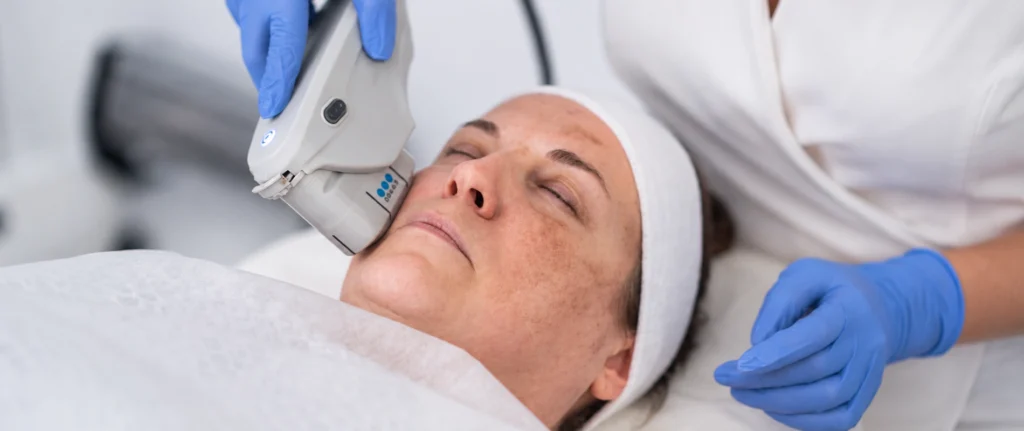
Is Laser Treatment Safe for Melasma on Darker Skin Tones?
Laser treatment can be used in selected patients with darker skin, but it requires greater attention to wavelength, energy, density, inflammation, and previous pigment reactions. Melanin-rich epidermis absorbs more optical energy, so an overly aggressive treatment can injure normal skin as well as the melasma pigment being targeted. This can cause post-inflammatory hyperpigmentation, temporary or persistent hypopigmentation, burns, or rebound melasma. Saudi and Middle Eastern skin tones therefore should not automatically receive parameters designed for lighter Fitzpatrick phototypes. Longer wavelengths, picosecond technology, and conservative fractional settings may offer useful options, but no laser eliminates pigmentary risk completely. A previous history of PIH after acne, chemical peels, waxing, laser treatment, or skin injury is particularly relevant during consultation. Experienced dermatologist-led parameter selection is consequently more important than the marketing reputation of the laser machine itself.The Risk of Post-Inflammatory Hyperpigmentation
PIH develops when inflammation stimulates additional melanin production during healing. Laser energy that causes excessive heat, epidermal injury, or inflammation can therefore make a treated area darker instead of lighter. This risk is greater in pigmentation-prone and darker skin tones, although it can occur in any patient. Conservative treatment and appropriate aftercare can reduce the risk but cannot guarantee that PIH will never occur.Why Laser Settings and Skin Type Matter
The outcome from one laser platform can change dramatically depending on wavelength, fluence, pulse duration, spot size, density, cooling, passes, and treatment interval. Lower energy or density can reduce inflammation with some fractional systems, while too many repeated low-fluence treatments can also create pigment complications. The patient’s Fitzpatrick skin type and previous history of PIH help the dermatologist estimate how cautiously treatment should proceed. Safe laser therapy therefore depends on the interaction between the device and its settings rather than the device name alone.When Should Laser Treatment Be Avoided or Delayed?
Treatment may need to be postponed when the skin is actively inflamed, infected, sunburned, recently tanned, or still healing from another procedure. Elective laser treatment for melasma is generally deferred during pregnancy, and PicoWay is specifically contraindicated for use during pregnancy according to current manufacturer information. Uncontrolled sun exposure, active dermatitis, a significant previous laser reaction, or inability to follow aftercare can also make a non-laser approach safer initially. Patients should disclose medications, medical conditions, photosensitivity, recent procedures, pregnancy status, and previous scarring without independently stopping prescription medicines before treatment.What to Expect During Laser Treatment for Melasma
A melasma laser treatment should begin with a dermatological diagnosis rather than choosing a device based only on photographs or online advertising. The dermatologist evaluates facial pigmentation, skin phototype, pigment pattern, previous PIH, medications, hormonal influences, recent sun exposure, and past treatment response. Baseline photographs can help compare pigment objectively during follow-up. The selected device is then adjusted with parameters intended to create enough treatment effect without provoking unnecessary inflammation. Sensations can include warmth, snapping, prickling, or mild stinging depending on the technology and intensity. Recovery can range from several hours of redness after gentle pigment treatment to several days or longer after fractional resurfacing. Because melasma can initially improve and later recur, long-term assessment is more useful than judging success immediately after the final session.Your Initial Dermatology Consultation
The dermatologist first determines whether the patches are actually melasma rather than solar lentigines, PIH, acquired dermal pigmentation, or another condition. Skin tone, pigment pattern, previous reactions, pregnancy or hormonal history, medications, and current skincare help determine whether laser treatment is appropriate. The consultation should also review how much sun exposure the patient receives and whether topical treatment has already been attempted. A realistic plan includes discussion of recurrence, PIH, the possibility of partial rather than complete clearing, and whether laser adds enough benefit to justify the risk.How to Prepare Your Skin Before Treatment
Consistent broad-spectrum sunscreen and avoidance of deliberate tanning help reduce excess melanocyte stimulation before treatment. Some patients may be given dermatologist-directed topical pigment therapy before laser to improve pigment stability or reduce PIH risk. Irritating retinoids, exfoliating acids, or other actives may need temporary adjustment depending on the specific procedure and individual skin response. Any change to prescribed medication should be made only under appropriate medical advice rather than following a generic pre-laser checklist.What Happens During a Laser Session?
The skin is cleansed and appropriate eye protection is placed before treatment begins. Some procedures require topical numbing, while low-fluence or selected picosecond treatments may be tolerable without significant anesthesia. The dermatologist delivers controlled laser passes while monitoring the immediate skin response and limiting unnecessary heat or inflammation. The exact session length varies according to the device, facial area, number of passes, and whether another treatment is being performed at the same visit.How Many Sessions Might Be Needed?
There is no fixed number of sessions that works for every type of melasma or laser platform. Published studies use widely different schedules, ranging from a few spaced fractional sessions to larger series of low-fluence laser-toning treatments. The need for additional sessions should be decided from pigment response and side effects rather than selling every patient the same package. Melasma that darkens, becomes mottled, or stops improving should be reassessed before more energy is delivered.Recovery Time and Post-Treatment Skincare
Low-fluence and picosecond treatments may cause temporary warmth, redness, or mild swelling with relatively short visible recovery. Fractional non-ablative treatment can produce redness, dryness, swelling, and roughness for several days, while ablative fractional laser generally requires more substantial healing. Gentle cleansing, moisturizer, and rigorous broad-spectrum and visible-light protection are important while treated skin recovers. Blistering, severe pain, increasing swelling, infection, persistent crusting, or unexpected progressive pigmentation should be reported to the treating clinic.How to Choose the Right Melasma Treatment in Riyadh
Choosing the right melasma treatment in Riyadh starts with deciding whether laser therapy is needed at all. Consistent broad-spectrum and visible-light photoprotection plus dermatologist-guided topical treatment remain central management strategies for many patients. If pigment remains persistent, a laser can be added according to skin phototype, pigment pattern, previous PIH, treatment history, and tolerance for recovery. Dr. Haitham Al-Gzlan’s current Riyadh technology portfolio includes PicoWay, Fraxel, M22 IPL, UltraPulse CO2, and other laser or energy-based systems, which allows the technology to be selected after the diagnosis rather than before it. PicoWay has a current melasma indication, Fraxel 1550 is indicated for dyschromia including melasma, while M22 IPL and ablative CO2 require more selective use when melasma is the concern. Having access to several technologies is valuable because some patients may benefit from a gentle pigment laser, some from fractional treatment, and others from medical skincare without laser. The best melasma treatment is therefore the one that controls pigmentation with the least unnecessary inflammation while fitting the patient’s skin, triggers, lifestyle, and recurrence risk.Frequently Asked Questions About Laser Treatment for Melasma
No laser can guarantee permanent melasma removal because the underlying tendency toward melanocyte activation can persist after visible pigment fades. Long-term photoprotection, topical treatment, and maintenance may still be needed after a successful laser course.
There is no universal best laser, although current 2026 comparative evidence gives low-fluence 1064-nm Q-switched Nd relatively strong support as an adjunctive treatment. Picosecond and fractional lasers can also be appropriate depending on skin tone, pigment pattern, previous treatment response, and the dermatologist’s assessment.
Yes, laser-induced inflammation can cause PIH or trigger recurrent melasma, particularly when treatment is too aggressive for the patient’s skin. Temporary initial improvement therefore does not guarantee that pigmentation will remain lighter in the following months.
Laser treatment can be appropriate for Saudi and Middle Eastern skin when conservative technology and parameters are selected for the individual skin phototype. Because melanin-rich skin may develop PIH more readily, dermatologist experience with darker skin and pigment disorders is particularly important.
Results vary from patient to patient because melasma can remain controlled for a period and then recur after sunlight, visible light, hormonal changes, or inflammation. Maintenance treatment and consistent photoprotection can improve durability but cannot guarantee permanent clearance.
Yes, many patients improve with photoprotection and topical treatments such as hydroquinone, triple-combination therapy, azelaic acid, or other dermatologist-selected pigment therapies without needing a laser. Laser is commonly considered when additional improvement is needed rather than being a mandatory part of treatment.
Yes, but recently treated skin requires careful protection from avoidable sunlight while it heals. Follow your dermatologist’s instructions regarding sunscreen, hats, shade, skincare, and the timing of normal outdoor activity.