Ramadan & Saudi Founding Day: Safe Aesthetic Care in Riyadh
Ramadan is a time of reflection, discipline, and spiritual renewal. It is also a time when many people in Riyadh begin preparing for gatherings, family visits, and Eid celebrations. This year, the holy month aligns closely with the celebration of Saudi Founding Day, a moment of national pride and heritage.
During such meaningful occasions, maintaining health and self-care remains important — including skin health. However, aesthetic treatments during Ramadan require medical judgment, safety awareness, and cultural sensitivity.
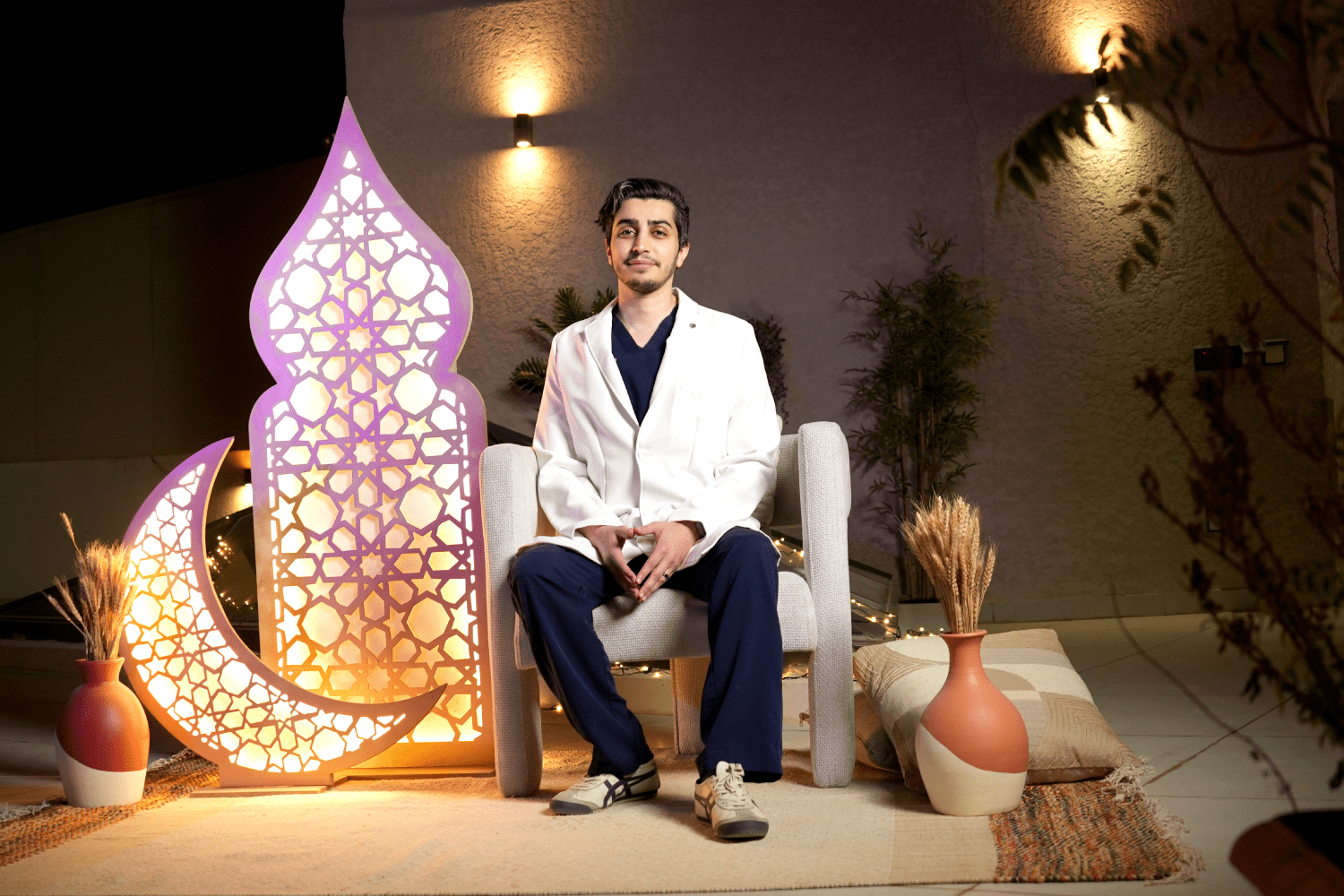
Under the care of Dr. Haitham Al-Gzlan, Consultant Dermatologist at Reveal Clinics Riyadh, patients receive guidance that respects both medical science and the values of Ramadan.
Why Skin Care Matters During Ramadan
Fasting changes several physiological patterns, including:
- Hydration levels
- Sleep cycles
- Hormonal balance
- Skin oil production
- Sensitivity and inflammation thresholds
In Riyadh’s climate, dehydration and sun exposure may further affect:
- Skin dryness
- Pigmentation
- Acne flare-ups
- Rosacea sensitivity
This makes professional dermatology guidance especially important during Ramadan.
Are Aesthetic Treatments Safe During Ramadan?
This is one of the most common questions patients ask.
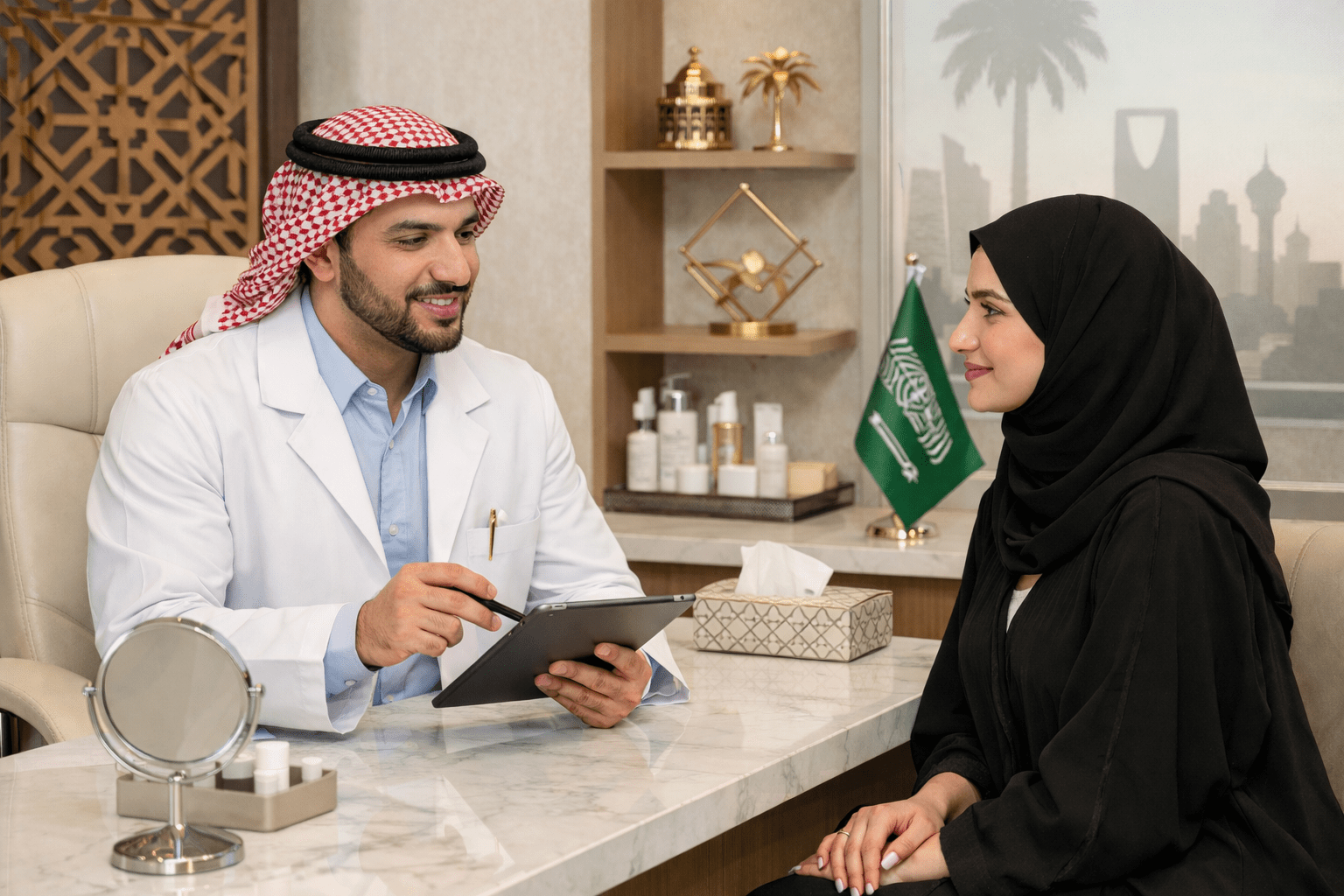
From a medical perspective, many non-invasive treatments are safe during Ramadan when:
- The patient is medically stable
- Hydration is managed appropriately
- Treatments are timed outside fasting hours if necessary
- Downtime is minimal
- Skin inflammation is controlled
Treatments that may be considered during Ramadan include:
- Light-based skin rejuvenation
- Skin hydration treatments
- Certain injectables
- Vascular laser treatments
- Conservative collagen-stimulating procedures
However, aggressive resurfacing or high-downtime procedures may be postponed until after Ramadan.
The key factor is not the device — but proper consultation and timing.
Founding Day & Ramadan: A Time for Responsible Self-Care
Saudi Founding Day represents heritage, resilience, and strength. In the same way, dermatologic care during Ramadan should reflect:
- Responsibility
- Moderation
- Professional guidance
- Long-term thinking
Dr. Haitham’s approach during Ramadan is centered on:
- Careful patient evaluation
- Conservative treatment planning
- Respecting fasting considerations
- Protecting skin barrier health
- Avoiding unnecessary procedures
This ensures that treatments enhance confidence without compromising wellbeing.
Ramadan Skin Strategy: Focus on Stability
During the holy month, the ideal approach is:
- Maintain hydration
- Protect against sun exposure
- Avoid experimenting with new aggressive products
- Address chronic conditions gradually
- Plan ahead for Eid with minimal downtime options
This balanced strategy ensures the skin remains stable throughout fasting.
Why Consultant-Level Evaluation Matters During Ramadan
Seasonal changes, fasting, and environmental stress make skin more reactive. Choosing treatments without medical evaluation may increase risks such as:
- Post-inflammatory hyperpigmentation
- Dehydration-related irritation
- Delayed healing
Consultant dermatology ensures:
- Accurate diagnosis
- Safe device selection
- Adjusted treatment parameters
- Protection for Middle Eastern skin types
Ramadan is not a time for rushed procedures — it is a time for measured, thoughtful care.
Frequently Asked Questions (FAQ)
Can I do Botox during Ramadan?
Yes, in most cases Botox can be performed safely during Ramadan after medical evaluation.
Is laser treatment allowed while fasting?
From a medical standpoint, many laser treatments are safe. Timing and skin stability are important.
Will fasting worsen pigmentation?
Dehydration and sun exposure may contribute to pigment changes if not properly managed.
Should I postpone all aesthetic treatments until after Ramadan?
Not necessarily. Many treatments can be safely performed with proper planning.
Is it better to prepare for Eid earlier in Ramadan?
Yes. Gradual planning ensures better results and less stress close to Eid.
Read More insights about Dr. Haitham Al-Gzlan
Plan Your Ramadan Skin Care Safely
If you are considering aesthetic or dermatologic treatments during Ramadan or ahead of Eid, professional guidance is essential.
Consult Dr. Haitham Al-Gzlan at Reveal Clinics Riyadh for a personalized, medically guided treatment plan aligned with fasting and seasonal considerations.
📍 Reveal Clinics, 2484 Muhammad Al Maqdimi, An Nafal, Riyadh 13312
🌐 byhaitham.com 📞 +966 56 262 4285
🌐 reveal-clinics.com 📞 +966 11 504 8687
